Window and Glass Repair: A Practical Guide for Homeowners
A practical, step-by-step guide to window and glass repair for homeowners and renters. Learn safe DIY fixes, material choices, safety precautions, and when to call a pro to protect energy efficiency and home value.


By the end of this guide, you will be able to diagnose common window and glass issues, perform safe DIY repairs for non-structural panes, and know when to call a professional. You’ll need basic safety gear, the right replacement glass, and common glazing materials. This step-by-step approach helps homeowners save time and protect energy efficiency.
What counts as window and glass repair
Window and glass repair covers a range of tasks from minor fixes like sealing drafts around sashes to replacing cracked panes in non-structural windows. The Home Repair Guide team defines it as any action that restores clarity, insulation, safety, or operation without replacing the entire window unit. In many homes, repairs focus on the sash, sash cords, glazing putty, weatherstripping, and the glass pane itself. For historic frames or specialized glass (tempered or laminated), repair methods may differ, and sometimes replacement is the safer long-term choice. Understanding the difference between glazing, putty, and sealant helps you pick the right product and technique. According to Home Repair Guide, starting with a clear assessment of damage type—cracked pane, failed seal, or warping—prevents wasted effort and sets expectations for result and cost.
Assessing the damage: cracks, chips, and seal failure
Damage can manifest as spidering cracks, chips that compromise strength, or failed seals that cause condensation between panes. The first step is a careful visual inspection and a quick functional check: does the window operate smoothly, is there draft, and is the glass integrity intact? Look for consistent patterns, such as heat-induced bowing in vinyl frames or wood rot near the glazing bead. Document each issue with notes or photos. Distinguish between a chipped edge (often fixable) and a fully cracked pane (usually requires replacement). If you have double- or triple-pane units, failed seals can be subtle but still impact energy efficiency; a pro evaluation can confirm whether inert gas leakage occurred and if replacement is warranted.
Safety first: PPE and handling glass
Handling glass poses cut and infection risks. Always wear safety glasses or goggles, cut-resistant gloves, long sleeves, and sturdy footwear. Work on a clean, flat surface and keep trash containers nearby. Never stand directly under a pane you are removing; support the glass with suction cups or helper hands when possible. If the pane is large or heavy, enlist a second person. Clean up shards immediately and wrap broken pieces in thick paper or a dedicated container. Safety is non-negotiable—glazing and removal work should pause if conditions (wind, rain, wet surfaces) increase risk.
DIY fixes you can attempt safely
Small repairs can be tackled on weekends with common tools. For drafty edges, resealing with weatherproof caulk or acrylic sealant can restore energy performance. Cracked or chipped glass may be repaired if the crack is minor and the frame is sound; otherwise, replacing the pane is safer and more durable. Patching a single pane in a double-glazed unit is generally not recommended, as it may void warranties and reduce insulating performance. Always test the window after any fix to confirm improved insulation and smooth operation.
When to replace vs repair
Repair is typically appropriate for minor chips, loose glazing, or rotted sash members with intact glass. Replacement is advised for cracked panes that compromise safety, frames with extensive rot, or windows that leak energy due to failed seals. In modern insulated units, replacing the entire sash or pane can dramatically improve performance, especially for energy efficiency and security. If your window is historic or has unusual glass types (laminated, tempered, or stained glass), consult a professional to weigh aesthetic preservation against practical durability.
Tools and materials you'll need
Having a plan saves time and reduces risk. Common tools include tape measure, putty knife, utility knife, glass cutter (only if you need to cut a pane to fit), and protective gear. For materials, stock glazing compound or acrylic sealant, glazing points or spacers, replacement glass, and appropriate caulk are essential. Keep masking tape and a drop cloth handy to protect surfaces. For larger panes, consider suction cups and a helper. Knowing what to have on hand ahead of time will prevent mid-project trips to the hardware store.
Weatherproofing and energy efficiency tips
Even after a repair, drafty windows can undermine comfort and increase energy costs. Apply weatherstripping where the sash meets the frame and re-seal the interior perimeter with a compatible sealant. For historical windows, use thin weatherstripping that does not distort profiles. Consider upgrading to glazing compounds with better UV resistance and low-VOC formulations. Proper weatherproofing helps maintain the repair’s effectiveness and reduces future maintenance.
Replacing glass in common frame types
Wood frames present different challenges than vinyl or aluminum. In wood, check for rot around the glazing bead and invert the bead carefully to avoid splintering. Vinyl frames are less forgiving to heat and may require precise sizing to avoid warping. Aluminum frames are rigid but can transmit heat; ensure that the glazing gasket or sealant remains compatible with metal frames. The key is to match thickness and edge type to preserve the window’s operation and appearance, while maintaining a proper seal.
Historic or specialty glass considerations
Historic or decorative glass often requires careful handling to preserve aesthetics and safety. If you replace such glass, you may need to source custom panes or work with a glass conservator. Always document the original glass type, keep records for future maintenance, and confirm any local preservation guidelines. In some cases, you can upgrade to safer, laminated glass while retaining the visual character of the original design.
Maintenance and prevention to extend life
Regular cleaning and inspection prevent surprises. Check seals and glazing compound annually, refresh weatherstripping if it shows wear, and inspect for moisture intrusion near sashes. Lightly oil moving hardware to prevent stiffness, but avoid over-lubrication on glazing surfaces. Keeping up with routine maintenance reduces the frequency and severity of repairs and helps extend the life of the window and glass system.
Hiring a pro: selection tips and cost considerations
If the project involves tempered or laminated glass, energy-efficient double panes, or frame rot, a licensed glazier can ensure safety and performance. Ask for a written estimate, verify warranties, and request before-and-after photos or references. When budgeting, expect to pay for glass material, replacement labor, and possible frame work; major repairs may be more cost-effective as replacements. A professional can also provide guidance on local building codes and energy performance improvements.
Tools & Materials
- Safety goggles(Impact-resistant, ANSI Z87.1)
- Cut-resistant gloves(Leather or Kevlar)
- Measuring tape(At least 25 ft)
- Glass cutter(Only if you need to trim glass to fit)
- Utility knife(For removing old putty and sealant)
- Putty knife(1- to 2-inch blade)
- Glazing compound / acrylic sealant(For perimeter sealing)
- Glazing points / spacers(Appropriate size for pane)
- Replacement glass pane(Match thickness and size)
- Caulk gun(Finishing seal around edges)
- Painter's tape(Protects adjacent surfaces)
- Rubber mallet(Gentle taps to seat glass)
- Glass suction cups(Helps handle large panes)
- Drop cloth / masking paper(Protects floor and furniture)
- Safety shoes(Closed-toe footwear)
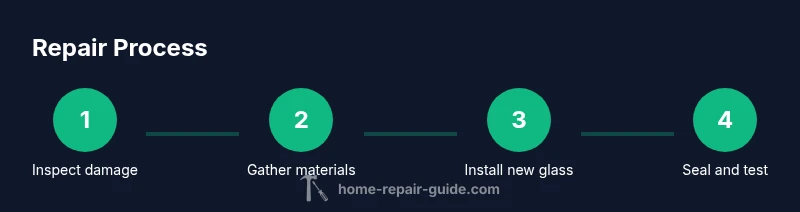
Steps
Estimated time: Total time: 1-3 hours for a single-pane DIY repair, plus 24-72 hours curing time for sealants
- 1
Secure the work area and protect people
Clear the space and place a drop cloth. Put on PPE and make sure children and pets are away from the work zone. Confirm the window is not actively installed in a way that could drop the pane unexpectedly.
Tip: Always have a helper on standby when removing large panes. - 2
Remove broken glass safely
Wearing gloves, carefully lift and lower shards into a sturdy container. Use a putty knife to loosen old glazing, and avoid twisting the pane once supported.
Tip: Wrap sharp pieces in thick paper or cardboard before disposal. - 3
Measure opening and select replacement glass
Take three measurements across the width and height, noting inside the rabbet depth. Use the smallest consistent measurement to prevent a loose fit, and round to standard glass sizes if needed.
Tip: Record measurements and take a photo for reference. - 4
Cut or trim replacement glass to fit
If you must cut, use a glass cutter with steady, light scores followed by gentle snapping. Smooth the edges with 180- or 220-grit sandpaper or a file.
Tip: Always cut glass a touch larger and fine-tune to fit during installation. - 5
Apply glazing putty or sealant around the frame
Coat the rabbet with a thin bead of glazing compound or acrylic sealant to provide a seal and an even seating surface.
Tip: Mask the edges to keep a clean line while applying sealant. - 6
Set the glass and secure with glazing points
Gently place the pane into the opening, align it, and insert glazing points at regular intervals to hold it in place. If needed, use suction cups to help position the pane.
Tip: Avoid over-tightening points which can crack the glass. - 7
Seal edges and finish with caulk or paint
Apply a continuous bead of sealant around the edges and smooth. Once cured, finish with paint or stain to match the frame.
Tip: Wipe away excess sealant before it hardens for a cleaner look. - 8
Cure time and test
Allow the sealant to cure according to the product instructions, typically 24–72 hours. Re-test for drafts and operation, and adjust if needed.
Tip: Check operation after curing to ensure smooth opening and closing.
FAQ
Can I repair tempered glass myself, or should I replace it?
Tempered glass is designed to shatter into small pieces on impact and is difficult to cut or modify. It is generally recommended to replace tempered glass with a new pane rather than attempting on-site repairs. For specialized situations, consult a professional.
Tempered glass is usually not repairable on-site; replacement is safer and more reliable. A pro can confirm the best approach for your window.
How long does glazing putty or sealant take to cure?
Curing times vary by product and conditions. Expect longer cure times in cool or damp environments; always follow the manufacturer’s directions for the most accurate timeline.
Curing times depend on the product and the environment. Check the instructions for the exact timeline.
Is it safe to replace glass in a double-pane unit by myself?
Replacing glass in a double-pane unit is more complex and often requires specialized tools and glazing compounds. In many cases, it’s more durable and safer to replace the entire sash or unit and consult a pro.
Double-pane repairs are tricky. It’s usually better to replace the sash or call a professional.
What is the best sealant for exterior windows?
Choose a high-quality exterior-rated sealant with UV resistance and compatibility with your frame material (wood, vinyl, or aluminum). Follow application instructions for weather conditions to ensure a durable seal.
Pick an exterior sealant that matches your frame and climate, and apply as directed for a lasting seal.
When should I hire a professional for window repair?
Hire a professional when you encounter large cracks, structural rot, tempered or high-value glass, or energy-efficiency concerns that require precise installations or code compliance.
Call a pro if you see structural rot or corner cases like tempered glass and energy performance issues.
Watch Video
Key Takeaways
- Assess damage thoroughly before any action
- Wear proper PPE and handle glass with care
- Choose repair or replacement based on pane type and frame condition
- Follow product instructions for curing times and safety
- Consult a pro for complex or historic glazing projects