How to Repair Andersen Windows: A Practical DIY Guide
Learn a comprehensive, step-by-step approach to repairing Andersen windows, from diagnosing weatherstripping and tracks to safe, durable fixes and when to call a pro.


You can repair Andersen windows by inspecting the frame, sash, and hardware, replacing worn weatherstripping, lubricating tracks, and resealing glazing where needed. Start with a careful diagnosis to avoid unnecessary disassembly, and use manufacturer-approved parts when possible. This guide walks you through the essential, safe steps and when to call a pro.
Understanding Andersen Window Systems
Andersen windows are a widely used choice for homeowners due to their durability and broad model range, including double-hung, casement, sliding, and specialty shapes. When people ask how to repair andersen windows, they usually start with a careful assessment of the frame, sash, hardware, and sealant. According to Home Repair Guide, most common issues begin with wear on weatherstripping, loose muntins, or degraded glazing seals, not the glass itself. A methodical approach is essential: identify the symptom, locate the root cause, and select the right repair path. Before you begin, ensure you have the correct replacement parts that match the Andersen system you own and that you are using non-destructive methods whenever possible. The aim is to restore smooth operation, energy efficiency, and water resistance without compromising safety or warranty. The keyword focus for this topic is how to repair andersen windows, and understanding the generic system helps guide precise fixes across models.
For homeowners, it helps to know that Andersen offers several common configurations, such as sash-heavy double-hung systems and hinged casements. Each design has its own set of moving parts—balances, guides, tracks, and weatherstrips—that degrade at different rates. Regular inspections reveal friction points and potential air leaks early, which saves time and money in the long run. With the right approach, many issues can be resolved without replacing the entire unit. This section lays the groundwork for a practical, model-aware repair mindset that keeps your windows functioning well for years.
Diagnosing Common Problems
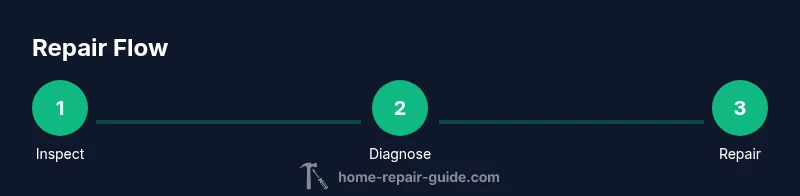
The first step in any repair project is accurate diagnosis. For Andersen windows, common symptoms include drafts along the frame, sticky or misaligned sash, condensation between panes, persistent rattling, and failure to latch properly. A structured diagnostic checklist helps identify whether the root cause lies in weatherstripping, balance systems, track cleanliness, glazing seals, or hardware wear. When you ask how to repair andersen windows, start with a visual inspection and then perform quick functional tests: operate the sash, lock and unlock the latch, and observe any gaps during closure. A moisture test around the frame can reveal seal failure or improper drainage. Remember, if your window glazing appears cloudy or cracked, that often indicates a glazing unit failure that may require professional replacement. Such discernment prevents wasting time on a repair that won’t fix the underlying problem. The Home Repair Guide approach emphasizes documenting findings and confirming that replacement parts are compatible with your specific Andersen model.
If you’re unsure, proceed step-by-step: test operation, inspect seals and weatherstripping, check hardware tightness, and assess track cleanliness. Small fixes like lubricating tracks with silicone spray and cleaning grooves can restore smooth operation. Larger issues—like warped frames or failed glazing—likely require more involved actions or a pro assessment after your initial diagnosis.
Common DIY Fixes You Can Try
Many Andersen window issues can be addressed without heavy remodeling. Begin with mild, reversible fixes that don’t void warranties when possible. Replacing weatherstripping, cleaning and lubricating the track system, and adjusting a misaligned sash are low-risk tasks you can perform with basic tools. If you notice persistent drafts after these steps, revisit the weatherseals and consider up-sizing or reconfiguring weatherstripping for a snug fit. For condensation between panes, inspect the glazing seal; if the seal is intact but foggy, the IGU (insulated glass unit) may be failing and require professional replacement. In such cases, you can still save money by scheduling a professional evaluation before replacing the entire unit. When you’re learning how to repair andersen windows, contrast temporary fixes with long-term solutions to ensure energy efficiency and reliability.
- Clean tracks and remove debris and dust to restore smooth operation.
- Replace damaged weatherstripping or add new seals that fit your model’s profile.
- Lubricate moving parts with a silicone-based product; avoid oil-based lubricants that accumulate dust.
- Tighten loose screws on hinges, catches, and balances; looser hardware can cause misalignment and air leaks.
- Re-caulk exterior joints with paintable silicone or polyurethane sealant to seal out water intrusion.
Always test the window after each fix, then recheck for drafts or binding. If a fix resolves the symptom but not the root cause, reassess and consider a more durable solution or professional help.
Tools, Materials, and Preparations
Before you begin any repair on Andersen windows, gather the right tools and parts. Using the correct weatherstripping type for your model is essential for an airtight seal, and having a silicone-based lubricant on hand helps keep tracks and balance hardware moving freely. A caulk gun, replacement glazing compound if needed, and a clean cloth for tracking debris are all useful. If you’re unsure about glass safety, plan to replace panes only with appropriate, manufacturer-approved glass kits. Recording model details and part numbers ensures you get exact replacements. Remember that some repairs may affect warranties, so consult your product manual or manufacturer support if you’re unsure. This section emphasizes practical preparation to streamline the actual fixes and minimize the risk of misfit parts.
Keeping a tidy workspace reduces mistakes: label hardware as you remove it, take photos for reference, and organize screws by size. If you encounter complex balance systems or concealed hardware, consult the instructions specific to your Andersen model or seek professional advice.
Maintenance Plan to Extend Window Life
Proactive maintenance is the best defense against frequent repairs. Establish a seasonal inspection routine to address weatherstripping wear, track cleanliness, and hinge or balance adjustments before cold months. Clean the tracks with a soft brush, wipe away debris, and apply a silicone-based lubricant to moving parts. Check drainage channels to avoid water pooling around the sill, which can lead to rot or seal failures. When you are learning how to repair andersen windows, this maintenance mindset helps you prevent issues that cause drafts, moisture ingress, or squeaks. Keeping the exterior trim sealed with paint or stain protects the wood portions and reduces the likelihood of costly replacements down the line. Maintaining a simple log of fixes and replacements also helps you decide when a professional assessment is worthwhile.
Choosing a Pro When You Need It
Some repairs exceed DIY scope, particularly structural frame damage or glass seal failure in heavy-duty Andersen windows. If you notice persistent fogging in multiple panes, cracks in the glass, or warped frames after basic fixes, a professional assessment is warranted. An experienced technician can confirm whether glazing bead repair, IGU replacement, or frame straightening is needed. When you’re unsure, compare a few quotes and ask for a clear plan of action, parts used, and warranty coverage. The decision to hire a pro often balances cost, time, and the potential risk to the window’s warranty. This section helps you assess the point at which expert help is the most economical and reliable choice for long-term performance.
Tools & Materials
- Silicone-based lubricant(Lubricate moving parts; avoid oil-based lubricants that attract dust)
- Weatherstripping kit compatible with Andersen windows(Self-adhesive or clip-in weatherstripping; choose exact size)
- Putty knife(For removing old glazing or caulk)
- Caulking gun and exterior sealant(Use paintable silicone or polyurethane caulk)
- Replacement glass pane or glazing putty(Only if crack or pane failure is evident)
- Screwdriver set (Phillips and flat-head)(For hardware adjustments)
- Putty or glazing compound(For re-sealing glazing or sashes)
- Tape measure and marker(For accurate sizing)
- Brush or cloth for cleaning tracks(Clear debris)
- Nitrile gloves and safety glasses(Personal safety)
Steps
Estimated time: 2 hours
- 1
Inspect and identify
Carefully inspect the window frame, sash, seals, and hardware to determine the exact issue. Note whether the problem is mechanical (binding, misalignment) or seal-related (drafts, condensation). Take photos for reference and ensure you have the correct replacement parts before disassembly.
Tip: Label screws and parts as you remove them to simplify reassembly. - 2
Remove the sash or access hardware
Gently detach the sash or access the hardware to reach the balance system and tracks. Use the proper screwdriver and avoid prying; keep track of location and orientation for reinstallation.
Tip: Work with a helper if the sash is heavy or awkward to handle. - 3
Check weatherstripping and seals
Inspect weatherstripping along the frame and sill for wear, gaps, or compression. Replace worn strips with the exact Andersen-compatible kit and ensure a snug fit without pinching during operation.
Tip: Test doors and sashes after installation to confirm a seal without binding. - 4
Lubricate tracks and balance hardware
Apply a light silicone-based lubricant to tracks, balance shoes, and pivot points. Wipe away any excess to prevent dust buildup. Lubrication reduces friction and improves smooth operation.
Tip: Avoid oil-based products which can attract dirt and cause gumming. - 5
Realign and reassemble
Realign any misaligned sash, re-seat hardware, and reattach screws. Check that the sash closes evenly and latches securely without sticking or rubbing.
Tip: Use a few gentle adjustments rather than forcing components into place. - 6
Seal exterior joints
Recaulk exterior joints with a weatherproof sealant appropriate for wood or aluminum-clad frames. Ensure the seal directs water away from the frame and does not cover ventilation gaps.
Tip: Choose paintable sealant if you plan to finish with paint. - 7
Test operation and energy performance
Operate the window several times to confirm smooth movement and proper sealing. Check for drafts with a simple incense test or a candle; adjust weatherstripping if you still feel air leakage.
Tip: Record any persistent issues for professional review. - 8
Decide on glass or frame repairs
If you see cracked glazing or warped frames, determine whether a partial repair or full unit replacement is required. For IGU failures, a professional replacement might be more cost-effective in the long run.
Tip: Know the warranty implications before replacing essential components.
FAQ
Can I fix a cracked glass in an Andersen window myself?
Cracked glass often requires professional replacement or specialized glazing kits. Minor glass damages may be addressed with temporary assemblies, but a full pane replacement is typically a job for a licensed technician to ensure safety and proper sealing.
Cracked glass usually needs a professional replacement to ensure safety and proper sealing.
What tools are essential for Andersen window repair?
Key tools include a screwdriver set, a putty knife, a caulking gun, a silicone-based lubricant, weatherstripping, a tape measure, and cleaning supplies for tracks. Having model-specific parts on hand helps ensure a precise repair.
You’ll need screwdrivers, weatherstripping, a caulking gun, and silicone lubricant, plus parts matched to your model.
Do Andersen windows require special weatherstripping?
Yes. Use weatherstripping designed for Andersen windows in your specific model to maintain energy efficiency and slip-free operation. Incorrect size or type can cause gaps or excessive resistance.
Yes—use the right Andersen-specific weatherstripping to keep it tight and easy to operate.
Will repairing affect the window warranty?
Repairing with manufacturer-approved parts usually preserves warranty coverage. Modifications or use of non-approved parts may void warranties, so check the manual or contact the manufacturer if in doubt.
Warranty depends on parts and methods; use approved parts to avoid voiding it.
How long does a typical Andersen window repair take?
Most basic fixes take 1–3 hours, including diagnosis, parts replacement, and testing. Complex repairs or glazing replacements can take longer and may require scheduling a pro.
Most fixes take a few hours, with more complex jobs needing more time or a pro.
Is it safe to repair around gas-filled panes?
Gas-filled panes require careful handling; do not attempt to repair or refill inert gas pockets yourself. If a pane seal fails, replacement by a qualified professional is recommended.
Don’t handle gas-filled panes yourself—gas replacement should be done by a professional.
Watch Video
Key Takeaways
- Identify root cause before disassembly
- Use matching, manufacturer-approved parts
- Lubricate and clean tracks for smooth operation
- Know when to call a pro to protect warranty
- Document changes for future maintenance