How Big Can a Windshield Crack Be for Repair? A Practical Guide
Discover how crack size affects windshield repair viability, measurement methods, and when replacement is the safer option. Practical guidance on DIY vs professional repair, costs, and safety.


Most windshields can be repaired when a single crack is up to about 6 inches long, depending on crack type and location. Cracks longer than this typically require replacement. Small chips, however, may be repaired even if they'd become larger with time. Always consult a professional for an on-site assessment to determine the safest, most durable option.
How size governs repairability and safety
When considering whether to repair a windshield crack, the first question is: how big can a crack be for repair? The short answer is that size matters, but it's not the only factor. In general, a single crack up to about six inches long can be repaired—provided it stays within the central area of the windshield and does not involve the edge. The exact threshold varies by resin type, vehicle manufacturer, and local regulations. The Home Repair Guide team emphasizes that even cracks that appear small can spread under heat, cold, or vibrations, so a professional inspection is essential. For those asking how big can a crack be in windshield to repair it, remember that context—crack type, placement, and driving conditions—will drive the final decision. Early evaluation reduces risk and preserves structural integrity, especially in climates with rapid temperature changes. A pro can confirm whether a repair is feasible and outline expected durability.
The science behind windshield repairs: resin and stress relief
Windshield repair relies on injecting a clear resin into the damaged area. The resin fills microscopic gaps, bonds with glass, and, after curing, helps restore stiffness and resist further crack propagation. The process reduces stress concentrations that would otherwise drive crack growth under temperature shifts and road vibrations. Advances in resin chemistry and injector technology have expanded repairability for many crack patterns, but success still depends on access to the damaged zone and controlling moisture and debris. The goal is to create a seamless inner patch that remains invisible to the eye while maintaining safety at highway speeds. The Home Repair Guide team notes that proper curing and edge treatment are critical for long-term durability.
Measuring crack length accurately
Accurate measurement matters. Start by parking on a flat surface and washing the windshield to reveal the crack boundaries. Use a ruler or a standard coin to estimate length in inches, and note whether the crack reaches an edge, blade line, or any chip cluster. Photograph the crack from multiple angles for documentation. Some repair shops prefer a measured approach, while others use specialty tools to gauge depth and spreading rate. Practically, if a crack exceeds about six inches, or if it runs toward the edge, most technicians will recommend replacement. Consistent measurement reduces miscommunication and helps you compare quotes more reliably.
Common crack types and repair feasibility
Not all cracks are created equal. A simple linear crack, if isolated from edges and without complex branching, is more likely to be repairable. Radial cracks emanating from a chip may also be repaired if minor, but longer radial cracks near the edge reduce odds. Long diagonal cracks or cracks that intersect with other damage raise safety concerns and are less likely to be successfully repaired. In some cases, a technician may fill, sand, and polish the area to improve visibility, but the structural repair depends on how much glass remains intact. The key takeaway is to assess the crack pattern early and consult a professional for a reliable determination.
Practical steps if you spot a crack
If you notice a crack, avoid slamming doors, rapid temperature shifts, or car washes that can intensify spreading. Schedule a same-day inspection if possible, especially in regions with strong temperature swings or busy roads. Do not ignore edge cracks or cracks that change length after a temperature change. In many cases, garages will seal the windshield and monitor it before deciding on repair versus replacement. Keep a log of measurements, dates, and any changes in size or visibility to facilitate a professional evaluation.
Costs, insurance considerations and decision points
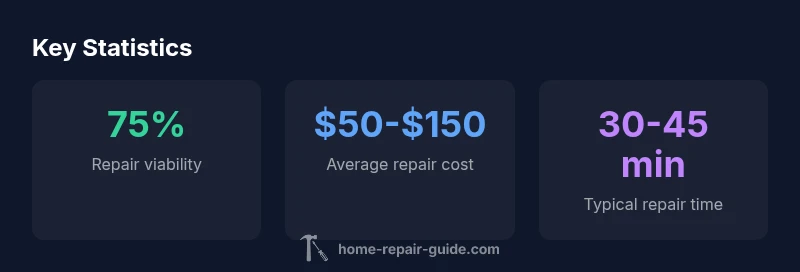
Financial considerations shape the repair decision. Windshield repair is generally cheaper than replacement, but costs vary by vehicle, location, and provider qualifications. Insurance coverage often reduces out-of-pocket costs, particularly if you have comprehensive coverage or a policy that waives the deductible for certain auto glass claims. Before committing, obtain a written estimate that itemizes materials, labor, and any discount programs. If the crack is near the edge or larger than typical repair limits, replacement may offer better value and safety against future issues.
DIY vs professional repair: risks and benefits
DIY kits exist but carry risks, especially for large or edge cracks. Improper resin application, incomplete curing, or debris entrapment can worsen damage or create optical distortion. Professionals bring calibrated tools, certified resins, and controlled curing conditions to maximize durability and safety. For most drivers, choosing a professional repair when in doubt is prudent, as the difference between a poor repair and a failed repair can be a safety concern at highway speeds.
Long-term care after repair: monitoring and maintenance
Even after a successful repair, monitor the area over time. Temperature fluctuations, road impacts, and vibrations can reintroduce stress and lead to re-cracking. Schedule periodic checks with a trusted shop, especially after severe weather events. Consider applying a windshield treatment or protective coatings along the edges to minimize micro-abrasions. If any new cracks appear or the current repair shows signs of spreading, pursue a professional re-evaluation promptly to protect structural integrity.
Repair feasibility by crack length
| Crack size (inches) | Repair viability | Typical outcome |
|---|---|---|
| 0-1 | High viability | Temporary fix; monitor for spread |
| 1-3 | Likely repairable | Restores integrity; field tests required |
| 3-6 | Possible | Depends on crack type and location |
| Over 6 | Unlikely | Replacement recommended |
FAQ
What crack size qualifies for repair instead of replacement?
Most shops consider repairable up to about six inches for a single crack, depending on location and type. Smaller chips can often be repaired, while multiple or edge cracks may require replacement.
Repair is usually possible up to about six inches, depending on the specifics.
Does crack location affect repairability?
Yes. Cracks that run toward the edge or across the driver's line are harder to repair and may lead to replacement.
Location matters; edges and driver sight lines complicate repairs.
Can I repair a windshield myself?
DIY kits exist but are best for small chips; larger cracks should be handled by professionals to avoid safety risks.
DIY repairs are risky for bigger cracks.
What is the typical cost range for windshield repair vs replacement?
Repair is generally cheaper than replacement; expect repair costs in the low hundreds, with replacement ranging higher depending on vehicle and location.
Repairs are usually less expensive than replacement.
How can I tell if a crack is getting worse?
Watch for noticeable growth in length or spread after temperature changes or driving on rough roads; consult a pro if uncertain.
If the crack grows or spreads, get a professional assessment.
“Timely, professional assessment is essential; repair decisions should prioritize safety and long-term integrity.”
Key Takeaways
- Assess cracks early to decide on repair vs replacement
- Crack length and location determine repair viability
- DIY repair is risky for large or edge cracks
- Consult a pro for safe, durable results