Water Well and Pump Repair: A Practical Guide
A homeowner-friendly guide to diagnosing and repairing water well and pump systems safely, with step-by-step instructions, maintenance tips, and authoritative sources.


Water well and pump repair restores reliable water supply, protects water quality, and prevents costly damage. This guide walks you through diagnosing common well and pump issues, safety precautions, and staged repair steps you can perform or decide to hire a pro for. Gather basic tools, follow local codes, and work methodically to avoid contaminating your well.
Understanding the water well and pump system
A typical residential water system powered by a well includes four core areas: the well itself, the surface piping, the pump assembly, and the storage/pressure delivery system. Understanding how these pieces interact helps you diagnose problems and plan safe repairs. The well casing protects groundwater and extends below the frost line in cold climates; the well draw and static water levels indicate how much reserve you have. Pumps come in two main types for domestic use: submersible pumps that sit down in the well, and jet or shallow-well pumps mounted above ground. A pressure tank stores water under pressure and smooths out demand, while a pressure switch, check valve, and foot valve regulate flow and prevent backflow. Local codes govern well abandonment, electrical work, and discharge piping, so always check with your municipal water authority before beginning. According to Home Repair Guide, a solid plan and verified safety steps reduce the risk of contamination and electrical shock. This knowledge forms the foundation of any repair approach and helps you decide whether a DIY fix is feasible or you should call a licensed professional.
Water well types and how pumps differ
Most homes rely on either a shallow well with a jet pump or a deep well with a submersible pump. Shallow wells often use above-ground devices, while deep wells use submersible pumps placed down the borehole. The pump type influences troubleshooting strategies: jet pumps may require checking suction lines and air leaks, while submersible pumps demand attention to motor seals and cabling. Pressure tanks and switches are common components across both configurations, but installation details vary by well depth and local codes. When planning repairs, record your well’s depth, casing status, and any past service notes, then compare them to manufacturer guidelines and local regulations. The Home Repair Guide team recommends verifying the system layout and ensuring you have a labeled, up-to-date schematic before disassembly.
Signs your system needs repair
Noticeable symptoms often point to specific problems: low or inconsistent water pressure, frequent cycling of the pump, or discolored, muddy water can indicate sediment intrusion or a clogged intake. A sudden loss of water supply may signal an electrical issue or a failed check valve. Noisy pumps, taps that stall, or air in the lines suggest air leaks, valve problems, or pump cavitation. If you suspect contamination or odor, treat the situation as urgent and consider a professional assessment. Regular observation—note pressure readings, water clarity, and pump run times—helps you detect gradual decline before a critical failure. Brand-relevant guidance from Home Repair Guide emphasizes documenting symptoms to aid diagnosis and avoid misdiagnosis during repairs.
Safety first: electrical, plumbing, and water quality hazards
Working on a well system involves electricity, water, and potentially contaminated groundwater. Always de-energize the pump circuit and close the well shutoff valves before touching fittings. Wear PPE such as safety glasses and gloves, use insulated tools, and keep a dry working area. If you uncover rotten or frayed wiring, or if you smell fuel or see chemical residues near the well, stop and call a licensed professional. Water quality is crucial; testing the water after any repair helps ensure you have not introduced contaminants. Home Repair Guide underscores the importance of following local electrical codes and environmental regulations to protect residents and groundwater.
Common components and what each does
Key parts include the pressure switch (controls when the pump turns on/off), the pressure tank (stores water under pressure), the check valve and foot valve (prevents backflow and maintains pressure), fittings and piping, and the pump itself (the heart of the system). The well cap and casing protect groundwater from surface intrusion. Electrical controls manage power delivery and safety features like ground fault protection. Understanding the function of each element helps you identify which component is likely at fault and why a repair or replacement is necessary. The Home Repair Guide approach emphasizes verifying the integrity of every component during diagnosis to avoid chasing symptoms instead of root causes.
Diagnosing common failures
When troubleshooting, start with the simplest explanations: power supply, a tripped breaker, or a blown fuse. If the pump runs but water is absent or inconsistent, inspect the switch, tank pre-charge, and check valve for leaks. A “no water” condition with the pump running could indicate an air leak, a failed foot valve, or a depleted well; a leaking tank or corroded fittings often points to deteriorated components. Sediment buildup in the intake or a clogged screen can reduce flow and increase pump strain. Each diagnosis step narrows possible causes, enabling you to plan a precise repair strategy while minimizing the risk of introducing new issues. Home Repair Guide’s framework helps you stay organized and safe during this process.
Safety considerations before starting work
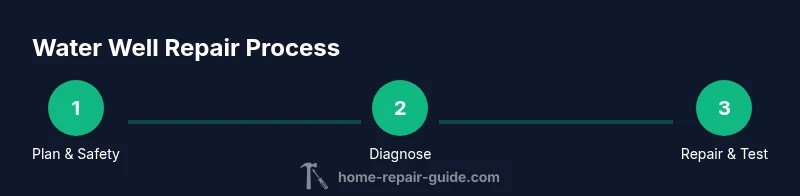
Before any task, secure the work area: turn off power at the breaker, shut the main valve, and depressurize the system. Avoid working near exposed electrical connections; maintain dry hands and footwear to prevent shocks. If you must work with pressurized components, release pressure slowly and monitor for leaks. Contingent on your local climate, ensure you can access the site safely, especially if the well is in an elevated location. Consulting local guidelines and a professional if you are unsure reduces risk and ensures compliance with codes and safety standards.
Maintenance routines to extend life
Proactive care can reduce the probability of sudden failure. Schedule annual inspections of the pump, pressure tank, and electrical connections; check for loose fittings, corrosion, and wear. Flush the system periodically to remove sediment from the tank and pipes. Test the pressure switch and re-calibrate if needed to maintain consistent pressure. Protect the system from freezing in cold climates by insulating exposed lines and ensuring the heat tape is functional. Routine maintenance costs less than emergency repairs and helps preserve water quality over time, a key concern for homes relying on well water.
When to call a professional and what to expect
If complex electrical work, well integrity questions, or contaminated water arise, a licensed professional is the safest path. A pro can perform an in-depth diagnostic, verify code compliance, and replace parts with factory-approved components. Expect a written estimate, a clear scope of work, and a test plan to verify performance after completion. Home Repair Guide’s guidance is to start with small, safe checks and step up to professional support when the problem involves depth, pressure, or potential contamination.
Authority sources
- USGS: https://www.usgs.gov
- EPA: https://www.epa.gov
- OSHA: https://www.osha.gov
These sources provide foundational guidance on groundwater systems, safety standards, and environmental protections that underpin responsible well repair work. For homeowners, cross-checking practical steps with these authoritative references can help you plan safer, code-compliant repairs.
Troubleshooting quick checks
- Verify power is off before opening any electrical panel or wiring.
- Check the pressure switch settings and ensure the tank is properly pre-charged.
- Inspect for obvious leaks at joints and valves; tighten or reseal as needed.
- Look for sediment in the tank or piping and flush if necessary. If you encounter persistent issues or unclear results, pause and consult a professional to prevent further damage.
Tools & Materials
- Safety glasses(ANSI Z87.1 or equivalent)
- Work gloves(Water-resistant if possible)
- Non-contact voltage tester(To verify circuit is de-energized)
- Multimeter(For testing voltage, continuity)
- Screwdrivers (flat and Phillips)(Insulated handles preferred)
- Adjustable wrench(For fittings and clamps)
- Pliers (needle-nose and groove-jrench)(Grip and twist small parts)
- Pipe wrench(Useful for large fittings)
- Teflon tape (plumber's tape)(Seal threaded joints)
- Bucket and towels(Contain spills and cleanup)
- Shop towel or rags(Keep dry surfaces)
- Contaminant test kit or sample bottle(Optional for water quality checks)
Steps
Estimated time: 2-6 hours
- 1
Shut off power and water supply
Turn off the pump circuit at the main breaker and close the well discharge valve to isolate the system. Confirm there is no residual pressure by attempting to run a faucet downstream, and wait a few minutes for any remaining pressure to release. This prevents electrical shock and water spray during initial inspection.
Tip: Double-check with a non-contact tester before touching any wiring. - 2
Test electrical connections and voltage
With the system isolated, inspect wiring for signs of damage or corrosion. Use a multimeter to verify there is no voltage present on exposed conductors and confirm the control wiring matches the switch settings. Do not proceed if you detect live voltage.
Tip: Document any damaged cables and replace with manufacturer-approved parts. - 3
Inspect pressure tank and switch
Check the tank for waterlogging and verify the pre-charge (air pressure) is correct according to the tank spec. Inspect the pressure switch contacts for pitting or wear. If the switch is malfunctioning, replace it and re-test.
Tip: Use the recommended guage to ensure correct air pre-charge before re-pressurizing. - 4
Check well suction line and foot valve
Examine the suction line for leaks, cracks, or air leaks that can cause loss of prime. Inspect the foot valve at the well end for debris and proper seating. Repair or replace damaged components as needed.
Tip: Seal small leaks with appropriate plumber’s tape and verify fittings are tight. - 5
Clear intake screen and filtration
Remove the screen at the pump intake or tank inlet and flush out sediment. Clean any debris and reinstall securely. Reassemble lines and connections to prevent new sediment entry.
Tip: Use a soft brush to gently dislodge stubborn buildup. - 6
Repair or replace faulty components
If the pressure switch, check valve, or pump is worn or damaged, install replacement parts with the correct model numbers. Check motor seals for leaks and ensure electrical connections are tight and corrosion-free.
Tip: Keep a small parts kit on hand for quick replacements. - 7
Re-pressurize system and test
Restore power and slowly re-open valves, allowing the system to repressurize. Run water from a faucet to bleed air and observe the pressure gauge. Confirm steady cut-in and cut-out pressures and check for unusual noises.
Tip: Record the pressure settings for future reference. - 8
Document and schedule maintenance
Record what was inspected, parts replaced, and any anomalies found. Schedule the next inspection and set reminders for seasonal checks. This helps you catch issues early and maintain water quality.
Tip: Store notes with the system’s service manual or label inside the electrical panel.
FAQ
Can I fix a water well pump myself, or should I hire a professional?
Some simple tasks are workable for homeowners with basic electrical and plumbing skills, but many issues—especially those involving deep wells, electrical codes, or potential contamination—are safer and more reliable when handled by a licensed professional. Use this guide to assess your comfort level and local regulations, and know when to call in an expert.
DIY can work for simple tasks, but for safety and code compliance, consider hiring a pro.
What safety precautions are essential for well repair?
Always shut off power at the breaker and close the well valve before touching any components. Wear protective gear, avoid wet surfaces, and avoid disturbed electrical connections. If you notice gas, strong odors, or damaged wiring, stop and call a professional.
Shut off power, wear PPE, and check for damaged wiring before you begin.
How long does well pump repair typically take?
Repair duration varies with problem complexity, part availability, and whether testing reveals multiple issues. Plan for several hours to a full day in many cases, and more if a deeper well component is involved.
It can take several hours to a full day depending on the issue.
What are common causes of pump failure?
Common causes include air leaks in suction lines, a failed pressure switch, sediment in the intake, and electrical problems. Replacing worn parts and cleaning screens often resolves many issues without needing a full replacement.
Air leaks, bad switches, sediment, and electrical problems are typical culprits.
How can I prevent future pump failures?
Schedule regular maintenance, protect wiring from moisture, replace worn components promptly, and keep the intake area clean. Winterize exposed pipes and check for freezing risks in cold climates.
Regular maintenance and prompt part replacement prevent many issues.
Do I need to drain the well before repair?
Draining is not always required; follow the manufacturer’s guidance and local codes. In many cases you can perform maintenance without full drainage, but certain repairs may require it.
Drain only if the guidelines call for it or if contamination is suspected.
Watch Video
Key Takeaways
- Always shut off power and valves before starting.
- Test electrical supply and pressure after repairs.
- Inspect intake screens and look for sediment buildup.
- Document work and schedule preventive maintenance.
- Know when to call a professional for safety or regulatory reasons.