Pump and Well Repair Near Me: A Practical Guide for Homeowners
Find reliable pump and well repair near you with Home Repair Guide. Learn about costs, timelines, maintenance tips, and how to choose a local expert.


Finding reliable pump and well repair near you starts with checking licenses, reviewing local feedback, and confirming a service scope that covers diagnostics, pump replacement, and well maintenance. Expect an on-site assessment within 1–2 days in urban areas or 3–5 days in rural zones, with transparent pricing and written estimates. This approach helps you compare quotes fairly and avoid surprise charges.
Understanding the scope of pump and well repair near me
When your home relies on a private well, the pump and associated equipment form the heart of your water system. A typical setup includes a well, a submersible or jet pump, a pressure tank, and a control panel. Problems can arise from aging components, sediment buildup, power issues, or a drop in water yield. Common symptoms include inconsistent water pressure, air in the lines, unusual noises, and sudden drops in water availability. If you notice rusty water, foul smell, or taste changes, contact a licensed professional promptly to avoid contamination risks.
In the search for a local provider, prioritize licensed well pump technicians who can perform a full diagnostic, including static water level testing, pump curve verification, and electrical safety checks. According to Home Repair Guide, the first step should be a formal assessment rather than a quick hardware swap. This ensures you understand whether the issue is a faulty pump, worn pressure tank, leaky piping, or a deeper well problem. Be prepared to discuss your well depth, pump type, and prior maintenance history. A clear scope helps you compare quotes fairly and avoids surprise add-ons later.
Key factors that influence repair cost and timeline
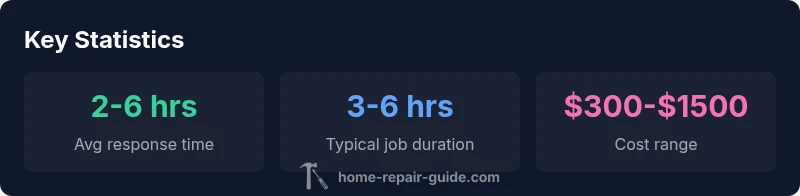
Repair cost for a pump and well varies widely based on several factors. The pump type (submersible vs. jet), well depth, the extent of wiring and control panel work, and whether the water is contaminated all drive scheduling and pricing. Permitting requirements, if any, add time and cost in certain jurisdictions. Parts availability matters as older models may require discontinued components, forcing substitutions or rebuilds. Labor rates depend heavily on regional costs and the technician’s experience. Home Repair Guide analysis shows that a typical repair might fall within a broad range, but the exact figure depends on diagnostics and the labor required for installation, testing, and system flushing. To avoid sticker shock, request a written estimate that itemizes parts, labor, permit fees (if applicable), and any disposal charges. Also ask about the warranty on repairs and whether the warranty covers parts and workmanship.
How to evaluate repair options
Evaluate options by requesting three core elements: a diagnostic report, a recommended repair plan, and a transparent price quote. A good provider should perform a pressure and flow test, inspect the pressure tank and air volume, test electrical components, and verify that the well casing is intact. Compare whether repair or replacement is recommended and ask about efficiency upgrades, such as converting to a higher-efficiency pump or adding a timer switch to reduce running hours. Gather evidence of licensing and insurance, and verify the installer will obtain any required permits. Finally, ensure that the estimator will provide a warranty that covers both parts and workmanship for a defined period.
Step-by-step maintenance to prevent future issues
Maintenance is cheaper than emergency repairs. Schedule annual inspections that cover electrical checks, pump vibration, and tank integrity. Clean or replace sediment from filters, test for water quality, and check for leaks around fittings. Monitor pressure gauge readings and ensure the pressure tank has the correct air charge. Winterize outdoor equipment if applicable and protect electrical components from moisture. Keeping a simple log of service dates, replacements, and notes helps you spot patterns and plan budget.
What to expect during a service visit
During a typical service visit, the technician will verify symptoms, perform diagnostics, and present a repair plan. They may measure static and running water levels, inspect pump seals, and test electrical connections and circuit protection. If the pump shows signs of wear, they will advise replacement versus rebuild and provide an estimate. The workflow usually includes system flush, re-test, and a final run-through to confirm stable pressure and safe operation. Expect to receive a written summary and guidance on maintenance.
DIY considerations and safety reminders
DIY work on wells can be hazardous, especially when dealing with electrical connections, pressurized water lines, or contaminated water. If you lack proper training, it's safer to hire a licensed professional for pump or well repairs. Simple maintenance tasks—like cleaning filters or checking the pressure gauge—are generally safe, but more complex tasks require licensed certification and adherence to local codes. Always de-pressurize the system before work and wear PPE.
Choosing a local provider near you
To find a reliable provider for pump and well repair near me, start with a local search that prioritizes licensed specialists with positive customer feedback and clear warranties. Read reviews on independent sites, request a written estimate, and compare response times. Ask about service guarantees, parts availability, and whether the technician will perform a comprehensive diagnostic before starting any repair. You can also verify if they offer maintenance plans to reduce future risk.
Overview of service parameters
| Aspect | Typical Value | Notes |
|---|---|---|
| Diagnostics scope | 2-4 tests | Includes pressure tests, electrical checks |
| Lead time | 2-4 hours | During initial visit |
| Replacement options | Immediate or staged | Depends on parts availability |
| Maintenance interval | 12 months | Annual checks recommended |
FAQ
What should I ask a pump and well repair near me before hiring?
Ask about licenses, insurance, and warranty coverage. Request a written diagnostic and a detailed repair plan with line-item costs. Compare multiple quotes to ensure you’re getting fair pricing and service scope.
Ask about licenses, insurance, warranties, and a written diagnostic before hiring.
How can I tell if my well pump needs repair or replacement?
Look for symptoms like persistent low pressure, frequent cycling, unusual noises, or rising electrical costs. A licensed pro should diagnose whether repair or replacement offers better long-term value.
Low pressure or odd noises mean get a professional diagnosis to decide repair or replacement.
Do well pump repairs include safety testing?
Reputable technicians perform electrical safety checks, ground testing, and pressure tank inspection as part of the repair. These tests protect your water quality and system reliability.
Yes—professional safety checks are standard practice.
What is the typical cost range for well pump repair?
Costs vary based on pump type, depth, and parts availability. Expect a broad range and insist on a written, itemized quote before work begins.
Costs depend on pump type and depth; get a written quote.
Are permits required for well pump work?
Permit requirements depend on local codes and the scope of work. Your contractor should confirm needed permits and inspections before starting.
Permits depend on your area; your pro should confirm.
“Regular maintenance and prompt repairs keep well water systems reliable, safe, and cost-effective in the long run.”
Key Takeaways
- Verify licenses before booking
- Ask for written estimates and clear warranties
- Differentiate repair vs replacement early in the process
- Implement an annual maintenance plan
- Request a comprehensive diagnostic before any work