Repair septic system: A homeowner's step-by-step guide
A practical, step-by-step guide to repairing a residential septic system. Learn safety, common problems, pumping considerations, and preventive maintenance from Home Repair Guide to protect your home and groundwater.


By following this guide, you will diagnose and repair common septic-system issues safely, including determining if you should DIY or hire a pro, and how to prevent backups. The steps emphasize practical checks, safe handling, and maintenance to protect your home and soil. This approach follows Home Repair Guide best practices and supports homeowners and renters in 2026.
How a septic system works
A residential septic system treats household wastewater on site, using a sequence of components that work together to separate solids, start decomposition, and distribute treated liquid into the soil. The typical layout includes a septic tank, a distribution box (D-box), and a network of perforated pipes and trenches known as the drain field. When wastewater flows into the tank, heavier solids settle to the bottom as sludge while fats and oils float to the top as scum. Anaerobic bacteria break down some organic matter, reducing solids before effluent leaves the tank. The effluent then travels to the drain field where soil layers filter and cleanse it before it re-enters the groundwater. Proper maintenance preserves soil structure, prevents backup, and protects your family's health. Home Repair Guide reminds readers that many septic issues arise from simple, avoidable mistakes, like flushing inappropriate items or overloading the system with water.
DIY vs pro: making the call
Not every septic problem requires a full system replacement; some homeowners can handle minor clogs or slow drains, but others demand professional service. A DIY fix may be appropriate for routine maintenance and simple clogs caused by household drains, yet issues related to the tank itself, the drain field, or front-end components often require licensing, pumping, and advanced equipment. Before you start any repair, verify local permitting requirements and the expected scope of work. In many communities, pumping and major repairs must be performed by a licensed septic contractor to protect groundwater and comply with regulations.
Safety and permitting considerations
Working on a septic system involves health and safety risks. Hazardous gases can accumulate in the tank, and broken components can cause sewage exposure. Always wear PPE (gloves, eye protection, and a mask as needed), work with good ventilation, and avoid entering a closed septic tank. Do not pump the tank yourself unless you are trained; improper pumping can create air pockets or overload drainage. Check for permits or required inspections with your local authority before undertaking repairs. The Home Repair Guide team recommends partnering with licensed professionals when in doubt.
Common problems and fixes
Most repair scenarios fall into a few categories: clogged or failed inlet/outlet baffles, a full septic tank requiring pumping, a damaged distribution box, or a failing drain field. Symptoms include sewage odors near the tank or drain field, gurgling drains, toilets that back up, and unusually lush vegetation above the drain field. Fixes range from replacing baffles and seals to arranging a professional pump-out and a drain-field assessment. Do not dig or excavate near the drain field unless trained; soil structure can collapse and release harmful gases. For long-term health, replace or adjust leachate control devices as instructed by a licensed inspector.
Diagnosing and assessing without guessing
This section outlines a careful, non-destructive approach to determine whether the problem is inside the home plumbing, the septic tank, or the drain field. Start by observing wastewater flow patterns and water usage. Check the septic tank access lid for signs of damage or cracks from outside the lid area. If you can safely access the tank, look for excessive sludge or settled scum beyond a quarter of tank depth, which indicates pumping is due. Conduct a dye test or simple check with the help of a pro; avoid relying purely on visual cues to prevent misdiagnosis.
Preventive maintenance and long-term care
Prevention involves mindful water use, regular inspections, and timely pumping by a licensed contractor. Use restrooms and sinks for their intended purpose; avoid disposing of non-biodegradable items, fats, or chemicals into the system. Space out high-water activities and fix leaks promptly to reduce inflow. Schedule periodic inspections every few years, and have the tank pumped according to tank size and household usage as recommended by professionals. The more you stay proactive, the less likely you are to face expensive repairs. As emphasized by the Home Repair Guide team, consistent maintenance now saves headaches later and helps protect groundwater health.
Authority sources
Official guidance on septic systems helps homeowners make informed decisions. The EPA provides a comprehensive overview of on-site wastewater treatment and best practices for maintenance and backup prevention. University extension programs discuss tank pumping schedules, drain-field health, and safe disposal of waste. State environmental agencies also publish local requirements and permitting processes. For further reading, see: https://www.epa.gov/septic, https://extension.umn.edu/water/septic-systems, https://www.mass.gov/service-details/septic-systems.
Tools & Materials
- Heavy-duty rubber gloves(Nitrile preferred; 1 pair)
- Safety goggles(ANSI Z87.1 compliant)
- Dust mask or respirator(For odors or dusty work)
- Flashlight or headlamp(Bright LED; keep extra batteries)
- Measuring tape(Minimum 10-15 meters if needed)
- Basic hand tools (hammer, screwdriver)(For lid and component inspection)
- Plastic bucket(Cleanup and transport small parts)
- Long probes or soil probe (optional)(Use with caution; avoid damaging pipes)
Steps
Estimated time: 1-3 hours (excluding professional pumping)
- 1
Prepare safely
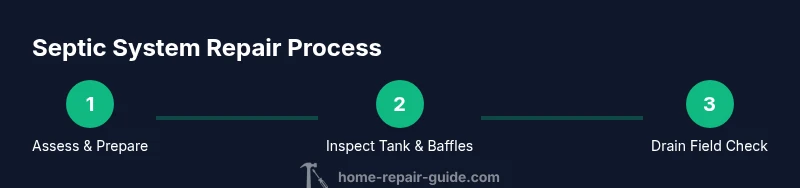
Shut off non-essential water use to reduce inflow. Locate the outdoor septic tank lid from a safe vantage point, then put on PPE (gloves, eye protection, and a mask if odors are strong). Confirm local regulations before proceeding and avoid entering the tank without proper training.
Tip: Keep a clear exit path and have a phone ready in case of an emergency. - 2
Open access and inspect tank
Carefully remove the lid with a helper nearby, and inspect interior for cracks, leaks, and sump depth. Check inlet and outlet baffles for damage or displacement, which can allow solids to pass into the drain field.
Tip: Do not scrape or poke aggressively; any disturbance can release gases. - 3
Evaluate tank contents
Assess the sludge and scum layers. If sludge appears high or solids reduce flow noticeably, pumping is likely needed and should be performed by a licensed septic contractor.
Tip: Pumping is best handled by pros to prevent over-pressurization of the system. - 4
Inspect the drain field from above
Look for signs of standing water, strong odor, or unusually lush vegetation above the drain field area. Do not dig or disturb the trenches; soil damage can worsen performance and safety.
Tip: If you notice water pooling, plan a professional assessment immediately. - 5
Decide on pumping or pro help
If the tank is near capacity or baffles show wear, schedule pumping and a professional inspection to assess the drain field condition and overall integrity of the system.
Tip: Avoid attempting DIY pumping or major repairs without training. - 6
Plan for maintenance
Create a maintenance calendar with a licensed contractor. Implement water-saving practices, route away from the drain field, and monitor for symptoms of failure between visits.
Tip: Keep records of pump dates and inspections for regulatory compliance.
FAQ
What are the signs my septic system needs repair?
Common signs include persistent odors near the septic area, slow drains, gurgling fixtures, sewage backups, and unusually lush vegetation over the drain field. If you notice these symptoms, start with a professional assessment to determine whether pumping, baffle replacement, or field repair is needed.
Look for sewage odors, slow drains, backups, or wet, soggy spots over the drain field—those indicate a possible repair need. Call a pro for an assessment.
Can I repair a septic system myself?
Some routine maintenance and minor clogs can be addressed by a confident homeowner. However, major repairs, tank pumping, and drain-field work require licensed professionals to ensure safety and compliance with local codes.
Some small tasks are DIY, but major repairs and pumping should be handled by a licensed pro.
How often should a septic tank be pumped?
Pumping schedules depend on tank size, household usage, and local guidance. A professional assessment provides the most reliable interval for your system.
It depends on your tank size and usage—have a pro set a pumping schedule.
What maintenance reduces septic failures?
Practice water conservation, dispose of waste properly, and schedule regular inspections. Regular pumping and timely repairs by a licensed contractor help protect the drain field.
Water-saving, careful disposal, and regular pro inspections reduce failures.
Is it safe to plant trees over the drain field?
Planting large trees or building heavy structures over the drain field can damage pipes and reduce drainage. Keep the area clear and consult a professional about safe landscape choices.
Avoid large trees or heavy structures over the drain field; consult a pro for safe landscaping.
What should I do if sewage backs up into the home?
Shut off water immediately and avoid contact with sewage. Contact a licensed septic contractor and your local health department for guidance on containment and cleanup; do not attempt risky repairs yourself.
If backups occur, shut off water and call a licensed pro right away.
Watch Video
Key Takeaways
- Inspect system safely before DIY work
- Identify whether the issue is inside plumbing or the septic tank
- Call a licensed pro for pumping and major repairs
- Limit water use to protect the drain field
- Maintain a routine inspection schedule with professional records