Plumber for Dishwasher Repair: DIY or Hire a Pro
Learn when to call a plumber for dishwasher repair, what a pro checks, and practical steps homeowners can take. This guide from Home Repair Guide covers safety, common issues, and selecting a reliable plumber for durable results.


Determining whether you need a plumber for dishwasher repair can save water and prevent costly damage. This guide helps homeowners assess common leak and drainage issues, decide when DIY is safe, and what a licensed plumber will check. According to Home Repair Guide, hiring a pro is wise for complex leaks, wiring concerns, or persistent drainage problems.
What a plumber for dishwasher repair does
In many homes, a plumber handles the plumbing connections that interact with the dishwasher, including supply lines, shut-off valves, drain hoses, and venting that tie into the house plumbing. They diagnose leaks at the water inlet hose, fittings, and drain connections, then ensure the dishwasher interfaces are secure and code-compliant. According to Home Repair Guide, a licensed plumber brings expertise not only in sealing and reconfiguring hardware but also in verifying that any work on the water supply or drainage won’t create new hazards. A professional will also assess the surrounding plumbing for secondary leaks, assess the electrical panel if needed, and confirm proper venting where applicable. This comprehensive approach helps prevent recurring issues and reduces the risk of water damage in kitchens with older piping or compact home layouts.
When to hire vs DIY
Deciding between DIY and hiring a plumber hinges on the scope of the problem and your comfort with safety risks. Simple tasks such as cleaning a dishwasher filter, checking for obvious kinks in hoses, or replacing a worn door seal may be tackled by a confident homeowner. If the issue involves the home’s water supply, hidden leaks behind cabinets, a damaged drain line, or any sign of electrical wiring near the appliance, it’s prudent to call a professional. Home Repair Guide emphasizes that DIY is appropriate for minor maintenance when you can isolate the problem safely, but professional intervention is recommended for issues that involve pressure testing, valve replacement, or anything that could affect the home’s plumbing system.
Common dishwasher issues a plumber addresses
Dishwashers can fail for a range of plumbing-related reasons. Persistent leaks around door seals or hoses often point to worn gaskets or loose connections that a plumber will reseal or replace. Drainage problems—such as standing water in the sump, slow draining, or gurgling noises—may indicate a clogged drain path, defective pump, or blocked air gap, which require professional clearing and testing. Water supply issues, including a valve that won’t shut off or a leaky inlet hose, demand careful pressure checks and fittings that only a trained plumber should perform. In some cases, multiple symptoms occur together, signaling a need for a systemic diagnosis of both the dishwasher and adjacent plumbing. A thorough inspection can prevent recurring leaks and improve overall appliance performance.
What to expect during a professional service
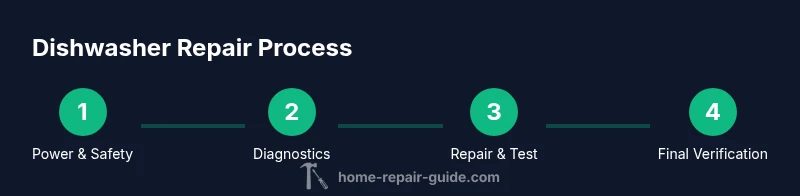
A typical service visit starts with a safety assessment: ensuring power is disconnected, water is shut off, and the work area is prepared. The plumber will diagnose the root cause by inspecting the inlet valve, drain hose, pump, filter assembly, and door seal, then create a plan for repair or part replacement. Expect a mix of parts, such as hoses or seals, and the possibility of dispatching from a supplier to obtain a needed component. After the repair, the technician will run a test cycle to verify there are no leaks and that drainage and cycling are functioning correctly. If the issue is extensive or the unit is aging, the plumber may advise replacement versus repair and can provide an informed estimate for that option.
DIY checks you can safely perform before calling a pro
Start with fundamental safety: unplug the unit, turn off the water supply, and dry the surrounding area. Remove the lower rack and inspect the drain filter for debris that can block flow. Inspect the door seal for cracks and clean any buildup along the gasket. Check the inlet hose for kinks or leaks and tighten fittings if needed. Finally, note any error codes displayed on the control panel and record when the issue occurs (e.g., only on certain cycles). These observations help the plumber diagnose the problem faster and more accurately, saving time and avoid unnecessary part replacements.
How to choose a reliable dishwasher plumber
Select a plumber with verifiable licensing and insurance, and request references or online reviews. Confirm their experience with dishwashers and whether they handle both plumbing and electrical safety concerns tied to appliances. Ask for a written estimate that itemizes parts and labor, plus any applicable warranties on workmanship and replaced components. If you have an aging dishwasher, discuss long-term solutions and a maintenance plan to prevent future failures. Clear communication about the problem, expected turnaround time, and follow-up support will increase the likelihood of a durable repair.
Tools & Materials
- Adjustable wrench(For loosening hoses and fittings of various sizes)
- Screwdriver set(Phillips and flathead; for access panels and clamps)
- Bucket(Catch water from leaks and during hose removal)
- Towels or rags(Keep the area dry and mop up spills as you work)
- Gloves(Protect hands from sharp edges and hot surfaces)
- Flashlight(Inspect dark corners and under-cabinet space)
- Multimeter(Optional for checking electrical safety if needed)
- Plumber's tape or sealant(Use when resealing hose connections)
- Drain snake (plumber’s snake)(For minor blockages if accessible)
Steps
Estimated time: 1-2 hours
- 1
Power down and shut off supply
Begin by turning off the dishwasher at the control panel and unplugging it or switching off its circuit breaker. Then shut off the water supply valve under the sink to prevent more leaks while you inspect. This reduces the risk of electric shock and water damage during this preliminary check.
Tip: Always verify the power is off before touching any electrical components. - 2
Access the drain and filter area
Open the dishwasher and remove the lower rack to locate the filter and sump. Remove and rinse the filter, then inspect the sump for debris that could impair drainage. Cleaning this area is a common quick fix for drainage problems that do not involve damaged components.
Tip: Take a quick photo of hose connections before disassembly to aid reassembly. - 3
Inspect the float switch and drain hose
Locate the float switch and ensure it moves freely; a stuck float can cause overfilling. Check the drain hose for kinks, blockages, or improper routing. Clear any obstructions and re-seat hoses firmly.
Tip: A blocked float or misrouted hose is a frequent cause of drainage faults. - 4
Check the door seal and latch
Inspect the door gasket for cracks, tears, or deformed sections. A compromised seal lets water escape during cycles. Test the latch to ensure a tight, secure seal when the door is closed.
Tip: A leak around the door often masquerades as a plumbing issue when it’s simply a worn seal. - 5
Examine water inlet valve and supply hose
Check the inlet valve and the supply hose for cracks, corrosion, or loose fittings. Tighten fittings and replace any damaged hoses. A leaky inlet can flood the cabinet and damage surrounding cabinetry.
Tip: Damaged hoses should be replaced rather than taped or reused. - 6
Document symptoms and prepare for the plumber
Note when leaks occur, cycle types, error codes, and the model/serial number. Gather receipts for any previous repairs and prepare access to the area for the technician. This information speeds up diagnostics and ensures accurate quoting.
Tip: Keep a log of symptoms to show the plumber; it reduces back-and-forth during the visit. - 7
Run a test cycle after service
If a plumber completes work, run a short cycle to verify no leaks and proper drainage. Observe for a few minutes and check that the unit finishes its cycle without error indicators.
Tip: If leaks persist, photograph the area and contact the technician for a follow-up visit.
FAQ
Do I always need a plumber for dishwasher repair?
Not always. Simple maintenance like cleaning the filter or reseating hoses can often be done by a confident homeowner. If the issue involves the home’s water supply, leaks behind cabinetry, drain problems, or electrical concerns, a licensed plumber or appliance technician is recommended.
You don’t always need a plumber, but for water supply, drainage, or electrical-related problems, a pro is safer and more reliable.
Can I fix dishwasher leaks myself?
You can address minor leaks around door seals or loose fittings if you can safely access them and turn off power and water. If the leak persists after simple fixes, or if you suspect a more serious issue, call a professional.
Yes, for simple leaks you may DIY, but persistent or hidden leaks should be handled by a pro.
What should I ask a plumber before hiring?
Ask about licensing and insurance, experience with dishwashers, expected timeline, and a written estimate with parts and labor. Inquire about warranties on workmanship and parts.
Make sure they’re licensed, insured, and can provide a clear written estimate and warranty.
How should I prepare for a service call?
Clear access to the dishwasher, gather model number and error codes, and note any safety concerns. Have your contact information and the preferred appointment time ready.
Be ready with model details and a clear path to the appliance so the visit is smooth.
How long does dishwasher repair typically take?
Repair durations vary with the issue and parts availability. Most common fixes fit into a few hours, but more complex problems can take longer or require part ordering.
It varies, but expect a few hours for typical fixes and longer if parts need to be ordered.
Is it cheaper to repair or replace a dishwasher?
Repair is often cheaper for minor issues on a relatively new unit. If the appliance is older and prone to failures, replacement might be more cost-effective in the long run.
Repair can be cheaper if the unit is newer and reliable; replacement may be better for old, frequent failures.
Watch Video
Key Takeaways
- Call a plumber for complex plumbing or electrical safety concerns.
- Prepare detailed symptoms and model information before a service visit.
- Prioritize safety: disconnect power and water before inspecting.
- Choose a licensed, insured professional with appliance experience.