Who Do You Call for Dishwasher Repair? A Practical Guide
Learn who to call for dishwasher repair, when to contact manufacturer vs. a local technician, how to vet pros, and budgeting tips with trusted guidance from Home Repair Guide.


To arrange dishwasher repair, start by contacting the appliance manufacturer's service line if the unit is still under warranty. For non‑warranty issues, hire a licensed appliance repair technician or a reputable local service. In most cases, a certified technician can diagnose the problem, source genuine parts, and perform safe repairs. If you notice a leak, shut off water and power before service.
Understanding who to call for dishwasher repair
When a dishwasher malfunctions, the obvious question is often, who do you call for dishwasher repair? The quick answer is that warranty status largely dictates the first call. If the unit is still under manufacturer warranty, the manufacturer’s service line is typically the best route. They’ll confirm coverage, arrange authorized repair technicians, and use service parts that won’t void your warranty. If the unit is out of warranty, your best option is a licensed appliance repair technician or a well-reviewed local service. In either case, the goal is a qualified technician who can diagnose the issue, source genuine parts, and perform repairs safely. Home Repair Guide’s approach is to verify credentials, then obtain a written estimate before any work begins, so you know what to expect.
In most households, the repair visit should establish the root cause quickly—whether it’s a clog, a faulty pump, a seal leak, or an electrical fault. For urgent leaks, shut off water to the machine and unplug the unit to minimize damage. This initial safety step buys time and reduces risk for both your home and the technician.
Warranty versus manufacturer service lines: weighing the options
Warranty status is the dominant factor in deciding who to call. If your dishwasher is still protected, a manufacturer service appointment ensures parts compatibility and adherence to warranty terms. They may also coordinate coverage for diagnostic fees or part replacements. However, manufacturer support can sometimes involve longer wait times due to authorized-timeline constraints. If the warranty has lapsed or the issue falls outside warranty coverage, we recommend a reputable, independently licensed appliance technician. Independent pros can often diagnose and repair faster, while still providing a clear written estimate before any purchases are made. Regardless of whom you hire, insist on a written quote that lists labor, parts, and any service call fees.
How to choose a technician: licensing, insurance, and credentials
Selecting the right repair professional is essential for long-term reliability. Verify that the technician holds a valid state license if required in your area and that they carry liability insurance and workers’ compensation. Ask for references and review scores from independent sites, and request a detailed, itemized estimate. A reputable pro will outline the problem, propose a repair plan, and avoid suggesting unnecessary parts. It’s reasonable to ask about warranties on the repair itself and on any replacement parts. If a technician can’t explain the diagnosis in plain terms or offers a vague prognosis, consider getting a second opinion. Home Repair Guide emphasizes comparing at least two estimates to ensure you’re getting fair pricing and transparent service terms.
Common dishwasher issues and the standard diagnostic path
Dishwashers fail for a handful of recurring reasons. A clog in the filter or spray arm reduces cleaning efficiency; a faulty door seal can cause leaks; a failing pump or motor may prevent draining; and electrical faults can trigger control panel errors. A seasoned technician will typically start with a test run, inspect the filter and spray arms, check door seals and gaskets, verify the drain hose and pump operation, and pull error codes from the control board. By following a consistent diagnostic path, they can determine whether a repair is cost-effective or if replacement is more prudent. A clear explanation of findings helps you decide whether to repair now or plan for a future replacement.
Do-it-yourself repairs: what is reasonable and what isn’t
Some minor maintenance tasks are well within a homeowner’s reach, such as cleaning the filter, removing debris from the drain, and resealing a loose hose clamp. However, more involved tasks—like replacing a pump, motor, or sealed components—should be left to a qualified technician. DIY attempts can void warranties, introduce safety hazards, or lead to further damage if components are accidentally damaged. If you are comfortable with basic disassembly and have a multimeter to test switches, you can perform basic checks, but stop if you encounter unfamiliar wiring or complex fault codes. Always prioritize safety and verify your warranty terms before proceeding with any in-home repair.
Costs, insurance, and budgeting for dishwasher repair
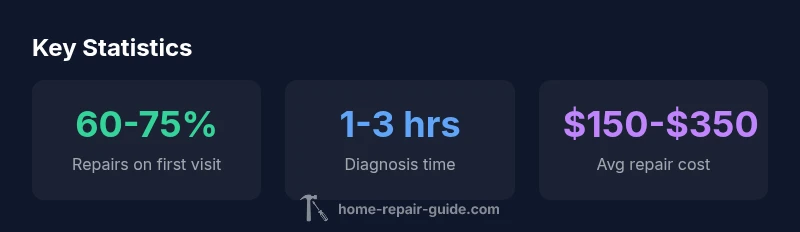
Budgeting for dishwasher repair involves anticipating labor, parts, and any potential diagnostic fees. In many regions, diagnostic fees range separately from the repair cost, and parts can vary widely based on the model and age of the unit. The most cost-effective approach is to obtain multiple written estimates, compare the cost of OEM versus aftermarket parts, and factor in the potential lifetime of the repair. If the appliance is aging, you may evaluate the price of a replacement against a high-quality repair. Home Repair Guide recommends treating each repair as a project with a defined scope of work and a cap on expenses to prevent overrun.
Preparing the service visit: what you should have ready
Before the technician arrives, gather the model and serial numbers, recent error codes, and any documentation related to the unit’s warranty. Clear access to the machine and its power and water shutoff valves, especially in small kitchens, helps the technician perform an efficient diagnostic. Have your notes ready: when did the problem start, what is the symptom, and have you noticed any correlations with cycles (heat, rinse, or dry). If the unit is installed under a counter, remove items that block access to the control panel. Finally, be prepared to discuss budget expectations and timelines, and ensure someone is available to supervise or be present during the visit.
Maintenance tips to extend dishwasher life
Once your dishwasher is repaired, implement simple maintenance habits to extend its life. Run a monthly cleaning cycle with a dishwasher-safe cleaner to prevent residue buildup. Regularly inspect the door seal for cracks and replace it if you notice moisture leakage. Clean the spray arms and replace clogged filters as recommended by the manufacturer. Use the correct detergent and avoid overloading the rack, which can strain components. By keeping up with routine maintenance, you reduce the likelihood of recurring failures and keep your dishwasher running efficiently for longer.
Common dishwasher repair scenarios
| Issue Type | Typical Resolution Time | Notes |
|---|---|---|
| Blockage or clog | 1-2 hours | Diagnose filter, spray arm, and drain; may require cleaning or part replacement |
| Leak from door gasket | 2-4 hours | Inspect gasket; replace if worn; ensure proper seal after reassembly |
| Not draining | 1-3 hours | Check pump, impeller, and filter; may need pump seal or hose repair |
| Not cleaning properly | 30-60 min | Clean spray arms, check water temperature, and detergent compatibility |
FAQ
Who should I call first for dishwasher repair?
If your dishwasher is under warranty, contact the manufacturer's service line first. For non-warranty issues, start with a licensed appliance repair technician or a reputable local service. Always request a written estimate before any work.
If under warranty, call the manufacturer first. If not, contact a licensed appliance repair technician and ask for a written estimate.
Can I fix dishwasher problems myself?
You can perform basic maintenance like cleaning filters and unclogging the drainage path. Avoid complex parts replacements or electrical work unless you are trained. When in doubt, consult a professional to prevent safety hazards and warranty voids.
You can handle simple cleaning tasks, but avoid major repairs or electrical work unless you’re trained.
What costs should I expect for common repairs?
Repair costs vary by model and issue, but expect labor plus parts with a written estimate. Request a breakdown of diagnostic fees, parts, and labor before any work begins.
Costs vary; ask for a detailed written estimate that separates labor and parts.
What if my dishwasher is under warranty?
If under warranty, use the manufacturer’s service line. Warranty terms may cover diagnostic fees and parts. Avoid unauthorized service to keep warranty terms intact.
Use the manufacturer if still under warranty; it protects coverage terms.
How can I tell if a repair service is reputable?
Check licensing, insurance, and transparent estimates. Read reviews from independent sources and ask for references. A reputable pro will provide a clear scope of work and a warranty on their repair.
Look for licensed, insured technicians with good reviews and a written warranty.
Repair or replace a failing dishwasher?
Consider the age, repair cost, and efficiency. If the repair costs exceed 50-60% of a new unit or the machine is aging, replacement may be more cost-effective in the long run.
Weigh repair costs against the price of a new unit and its efficiency.
How long does a typical repair take?
Most standard dishwasher repairs take a few hours, depending on access and parts availability. If a major component must be replaced, the visit may take longer or require a follow-up.
Most repairs are completed in a single visit, but it can vary.
What should I do if the repair didn’t fix the issue?
Contact the technician, reference the diagnostic notes, and request a re-evaluation under warranty if applicable. Ask for a written plan for any additional work and a revised estimate.
If the issue persists, ask for a re-evaluation and a transparent plan.
“Regular maintenance and timely diagnostics protect your investment and prevent costly breakdowns over time.”
Key Takeaways
- Identify warranty status before contacting a service.
- Choose licensed technicians; verify insurance and credentials.
- Know common failure points to ask informed questions.
- Balance DIY quick fixes with professional repairs for safety.
- Get written estimates and compare before committing.