How to Hire a Plumber for Toilet Repair: DIY Tips and Safety
Learn when to hire a plumber for toilet repair, what to expect, and how to compare quotes. Practical DIY checks and prevention tips from Home Repair Guide.


If your toilet won’t stop running, leaks, or blockage persist, you may need a plumber for toilet repair. This guide explains when to call a pro, what to expect during repair, and how to compare quotes. You’ll also learn safe DIY checks, basic troubleshooting, and prevention tips to avoid future problems. Home Repair Guide offers practical, professional guidance.
Why you might need a plumber for toilet repair
Toilet problems rarely improve on their own. A running toilet, slow drainage, persistent leaks around the base, or frequent clogs often signal worn components or a misaligned seal. While some fixes are straightforward, others involve hidden issues in the tank, flange, or waste line that require specialized tools and code-compliant installation. A professional plumber for toilet repair can accurately diagnose the root cause, replace failing parts with correct standards, and ensure your system functions reliably for years to come. Early intervention also reduces the risk of secondary damage, such as water damage to flooring and walls, which can be costly to repair later. Relying on a pro can save you time, stress, and potential oversights that DIY attempts might miss.
How to assess the problem before calling a plumber
Begin with a thorough visual check of the toilet and surrounding area. Inspect the tank components—flapper, fill valve, overflow tube—and look for mineral buildup, cracks, or worn seals. Listen for continuous running water or gurgling sounds, and note any leaks at the base where the toilet meets the floor. Check the supply line connection for corrosion or looseness and test the flush by watching the water seal and refill. Document the symptoms with dates and, if possible, a short video or photos to share with a professional. This information helps the plumber diagnose quickly and provide an accurate quote. If you notice sewage odors or water pooling in other parts of the bathroom, treat this as an urgent issue and seek immediate help.
DIY vs professional: where to draw the line
Some homeowners can handle simple tasks like replacing a worn flapper or adjusting the chain. More complex problems—such as a cracked tank, a corroded flange, or persistent leaks after a DIY attempt—should be handled by a licensed plumber for toilet repair. If you encounter strong odors, gas-like smells, or continuing leakage despite a DIY fix, stop and call a pro. Attempting to DIY in these scenarios can create safety risks and result in more extensive damage. A professional also ensures that any parts installed comply with local codes and warranties. By knowing your limits and having a plan, you protect your home and increase the odds of a durable, proper repair.
What a licensed plumber brings to toilet repair
Licensed plumbers bring formal training, safety protocols, and access to genuine parts not always available to homeowners. They can perform precise diagnostics, replace wax rings, inspect flanges, and install or adjust fill and flush valves with code-compliant methods. They also have tools for detecting hidden leaks behind walls, under flooring, or in the plumbing stack, which amateurs often miss. A pro’s warranty-backed work provides peace of mind and a documented scope of work, which can be important for insurance claims or home inspections. In short, a plumber for toilet repair provides reliability, safety, and long-term performance that DIY alone may not guarantee.
Common toilet repair scenarios and solutions
Running toilets are often caused by a worn or degraded flapper, a faulty fill valve, or a misadjusted chain. A professional will verify component compatibility, replace worn parts with correct sizing, and perform a test flush to ensure a proper seal. Clogs may require a toilet auger or professional snaking to clear the line without damaging the porcelain. If leaks appear around the base, the issue could be a loose bowl connection, a damaged wax ring, or a cracked flange, which typically requires toilet removal and reseating. Each scenario necessitates careful assessment, correct parts, and careful reassembly to prevent future problems. Understanding these common patterns helps homeowners communicate effectively with their plumber.
What to ask your plumber and how to compare quotes
When interviewing plumbers for toilet repair, request licensing verification, insurance coverage, and references from recent work. Ask for an itemized written estimate that breaks out parts, labor, and any travel or disposal fees. Inquire about warranties for both parts and workmanship and the expected timeline from inspection to completion. Compare quotes not just on price, but on the quality of parts proposed, the plumber’s experience with toilets, and the support they offer after the job is done. A good contractor will explain their approach and offer a clear plan for testing and follow-up.
Preventive maintenance to avoid future clogs and leaks
Regularly inspect the tank components for signs of wear, mineral buildup, or loose connections. Periodic maintenance includes gentle cleaning of the flapper and refill valve to extend their life, and watching the wax ring during services that require toilet removal. Use a balanced approach to cleaners and avoid harsh chemicals that can degrade rubber seals. Keep the surrounding area dry to spot leaks early and schedule routine check-ins as part of home maintenance. Small, proactive steps can significantly reduce the odds of major failures and expensive repairs.
Step-by-step overview of a typical toilet repair job
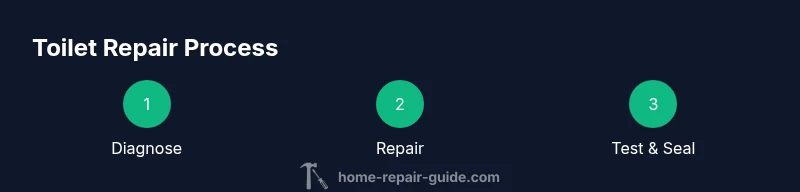
A typical repair starts with shutting off the water supply and draining the tank to prevent spills. Remove the tank lid and inspect the flapper, valve seats, and seals for wear. If the flapper or fill valve shows signs of failure, replace with compatible parts and reassemble the tank. Reconnect the water supply, slowly turn the valve on, and perform a test flush to check for leaks or running water. For base leaks or significant seal issues, you may need to reseal the flange and install a new wax ring, which often requires removing the toilet. After reinstallation, recheck for any leaks around connections and the base, then clean up and confirm proper operation. If problems persist, consult a plumber for advanced diagnostics and alignment.
Safety, warranties, and aftercare
Toilet repair involves water, electricity near outlets, and porcelain fixtures that can crack if handled roughly. Always shut off the water supply before disassembly and wear gloves and eye protection if splashing or sharp edges are present. Keep a clear workspace and follow manufacturer instructions for any parts you replace. A good plumber will provide a warranty on parts and workmanship and offer guidance on long-term maintenance. Aftercare includes monitoring the system for a few days to ensure no hidden leaks appear and keeping a record of the service for future reference.
Tools & Materials
- Adjustable wrench(Tighten/loosen supply nuts and fittings)
- Screwdrivers (flathead and Phillips)(Tank screws and fasteners)
- Channel-lock pliers(Helpful for stubborn fittings)
- Rubber gloves(Hygiene and protection)
- Bucket(Catch water when removing parts)
- Towels or rags(Contain spills and keep area dry)
- Plunger(Deal with minor clogs before disassembly)
- Replacement parts kit (flapper, fill valve)(Have on hand for common fixes)
- Wax ring (new)(Needed if removing toilet and reseating)
- Safety glasses(Eye protection during hard jobs)
Steps
Estimated time: 2-4 hours
- 1
Shut off water and drain tank
Locate the shut-off valve behind the toilet and turn clockwise until snug. Flush to drain the tank and use towels to soak up remaining water. This prevents overflow and protects flooring.
Tip: Keep a bucket handy to capture residual water. - 2
Remove tank lid and inspect components
Carefully lift the tank lid and set it aside. Visually inspect the flapper, fill valve, and overflow tube for wear, warping, or mineral buildup. Take photos to reference parts later.
Tip: Record which parts look worn for later replacement. - 3
Adjust or replace the flapper
If the flapper is cracked or not sealing, replace it with a compatible model. Check the chain length; it should have a bit of slack when the flush handle is released.
Tip: Avoid overtightening the flush lever hardware. - 4
Check and replace the fill valve if needed
Test the fill valve by flushing and observing refill height. If the tank fills slowly or overflows, replace the valve with a compatible kit.
Tip: Turn the water supply off during the replacement to prevent leaks. - 5
Test flush and inspect for leaks
Reassemble the tank, reconnect the water supply, and slowly turn the valve on. Do multiple quick and full flush tests to ensure a clean seal and no running water.
Tip: Look for any drips around connections during the test. - 6
Assess base leaks and flange condition
If water appears around the base, shut off water, drain, and inspect the flange. A damaged flange may require removing the toilet and reseating with a new wax ring.
Tip: Use a level to confirm toilet is seated evenly. - 7
Remove toilet if needed for wax ring replacement
Shut off water, disconnect supply line, remove mounting bolts, and lift the toilet straight up. Clean the flange and replace the wax ring before reinstalling.
Tip: Ask a helper to stabilize the toilet during removal. - 8
Reinstall toilet and secure bolts
Lower the toilet back onto the flange, align bolts, and tighten evenly. Reconnect the water supply and perform a test flush to verify seal and stability.
Tip: Do not overtighten bolts to avoid cracking the porcelain. - 9
Final leak test and cleanup
Run several flush cycles and check all connections for leaks. Wipe down the area and dispose of old parts per local guidelines.
Tip: Keep rust-resistant tools and parts organized for future maintenance. - 10
Know when to call a pro for stubborn issues
If leaks persist after basic fixes or if you detect structural damage, consult a licensed plumber for a thorough evaluation and permanent solution.
Tip: A professional can ensure safety and code compliance.
FAQ
Do I always need a plumber for toilet repair?
Not always. Simple tasks like replacing a flapper or adjusting the chain can be DIY for confident homeowners. More complex problems or persistent leaks require a licensed plumber to ensure safety, legality, and a lasting fix.
DIY is okay for simple parts, but if you’re unsure or the problem persists, call a plumber for a durable repair.
What should I check before calling a plumber?
Document the symptoms, note when they occur, and take photos or videos. Check the tank components and the base for visible leaks. These details help the plumber diagnose faster and provide an accurate quote.
Take photos of the toilet tank, leaks, and base so the plumber can diagnose quickly.
How long does a typical toilet repair take?
Most standard toilet repairs can be completed in a few hours, depending on parts availability and whether scanning for hidden leaks is needed. More complex jobs may take longer if a toilet must be removed and reseated.
Most repairs take a few hours; bigger jobs may require more time.
What should be included in a written estimate?
Ask for a detailed, written estimate itemizing parts, labor, and any travel or disposal fees. Ensure the quote covers potential replacements and the warranty on both parts and workmanship.
Get a clear, itemized quote with parts, labor, and warranty details.
Are there any safety concerns with toilet repair?
Yes. Working with water and electricity near fixtures can cause shocks or slips. Always shut off water, wear protective gear, and avoid manipulating porcelain if you’re unsure of the structure.
Yes—shut off water and protect yourself from slips and sharp edges.
How can I prevent future toilet problems?
Regular inspection of seals, valves, and the tank helps prevent leaks. Replacing worn parts promptly and avoiding harsh chemical cleaners that damage rubber seals can extend component life.
Inspect parts regularly, replace worn pieces, and avoid harsh cleaners.
Watch Video
Key Takeaways
- Know when a plumber for toilet repair is necessary
- Prepare with a clear observation and photos
- Choose parts and a pro based on quality and warranties
- Follow safe, progressive steps and test thoroughly
- Prevent future issues through maintenance and timely replacements