Plumber for Shower Repair: A Complete Step-by-Step Guide
Learn when to hire a plumber for shower repair, what services they provide, how to choose a pro, and how to manage the process for durable, leak-free results.


If your shower leaks, won’t stop dribbling, or fluctuates in temperature, you likely need a professional plumber for shower repair. A licensed pro can diagnose hidden leaks, replace worn valves or cartridges, and ensure code compliance. This guide walks you through signs, how to pick a plumber, and what to expect from the repair process.
Understanding when to call a plumber for shower repair
A shower can look simple, but several issues benefit from a licensed plumber. Persistent leaks around the showerhead, valve, or handle can cause hidden water damage and mold growth if ignored. Drips that won’t stop or a shower that alternates between hot and cold often signal worn cartridges or faulty pressure-balancing valves. If you notice damp walls, staining, or musty odors, stop DIY diagnostics and consult a professional.
Before you decide to hire, understand the scope. Some issues—like replacing a cartridge in a common single-handle faucet—can be a DIY fix for a handy homeowner. Others—such as diagnosing a hidden leak behind tile, replacing a pressure-balanced valve, or repairing concealed piping—require specialized tools, code knowledge, and safety practices. The Home Repair Guide team emphasizes that professional intervention reduces the risk of water damage, improper valve adjustment, and future leaks. A plumber can verify code compliance and preserve any warranty requirements.
For homeowners, the decision often comes down to cost, time, and risk. If you lack the right tools, if the problem involves concealed plumbing, or if the water control affects the hot-water system, it is prudent to contact a plumber early in the process. Quick triage steps—shutting off the supply, documenting symptoms, and keeping children and pets away from the work area—can minimize damage while you arrange professional help.
The Home Repair Guide analysis shows that early professional assessment can shorten repair cycles and prevent recurring leaks. According to Home Repair Guide, knowing when to call a plumber is a smart part of home maintenance.
Common shower repair tasks performed by plumbers
Plumbers handle several tasks that DIYers should leave to a pro, especially when it involves valve assemblies, concealed piping, or water pressure control. Typical jobs include replacing cartridge valves or diverters, repairing or replacing the main shower valve, addressing leaks behind tiles, and correcting improper sealing around the shower surround. They may also replace worn shower risers, fix corroded shower arms, and reseal the enclosure to prevent moisture intrusion. Some tasks—like swapping a shower head or re-caulking the edge—can be DIY-friendly, but the professional level work ensures a durable seal and proper valve operation.
Key considerations:
- Valve warranties often require professional installation for validity.
- Some repairs require careful access behind walls or tiles.
- A pro will test pressure, verify thermostatic operation, and check for hidden leaks.
From a practical standpoint, plan for the possibility that you’ll need to replace the valve cartridge or the entire valve body. A plumber can source the correct parts and ensure compatibility with your shower model and piping.
Brand mentions: The Home Repair Guide team notes that professional assessment reduces risk and helps preserve warranties, a factor many homeowners overlook when chasing DIY savings.
How a plumber diagnoses shower issues
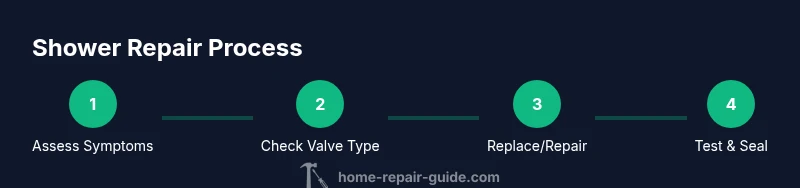
A professional typically starts with a clear symptom assessment and a quick physical inspection. They’ll check the valve type (compression, cartridge, or pressure-balanced), inspect the supply lines, and listen for unusual sounds that indicate flow restriction or pressure problems. A pressure test may reveal inconsistent flow or hidden leaks, while a visual check can uncover moisture intrusion, damaged caulk, or tile cracks. In some cases, they’ll remove the handle and escutcheon to inspect the cartridge or valve internals without damaging surrounding trim.
Diagnostics typically include:
- Verifying shutoff availability and accessibility
- Confirming temperature regulation and flow rate
- Inspecting for hidden leaks behind walls or under the tub/shower base
- Testing for proper anti-scald and safety features
A careful diagnosis minimizes unnecessary part replacement and ensures the repair addresses the root cause, not just the symptom.
Safety considerations and when DIY is appropriate
Working on showers involves water, electricity, and sometimes hot surfaces. Always assume that any work near electrical outlets or the water heater can pose shock or fire hazards. Start by turning off the main water supply and, if feasible, the corresponding circuit for any connected electrical components. Do not attempt to disassemble a pressurized valve or piping if you’re unsure of the pipe configuration. If the leak involves a gas appliance or gas line near the water heater, evacuate and call your utility provider or a licensed pro.
DIY can be appropriate for simple maintenance tasks, like replacing a shower head, cleaning aerators, or re-caulking a dry surround if there is no structural damage. For anything involving concealed pipes, valve replacement, or suspected mold growth behind walls, a licensed plumber is the safer, more reliable option. Safety gear—goggles, gloves, and proper footwear—helps protect against sharp edges and slippery surfaces.
If you’re uncertain about a step, pause and call a pro. It’s smarter to invest in a diagnostic visit rather than risk a bigger leak or electrical hazard.
Choosing the right plumber for shower repair
Selecting the right plumber starts with credentials, experience, and clear communication. Look for licensed and insured professionals, and ask for written estimates that delineate labor, parts, and any disposal fees. Check recent reviews and ask for references; a reputable plumber will be happy to provide a few. Confirm a warranty on workmanship and the parts used, and request a projected timeline for the job. If a job seems urgent (flooding, major leakage), ask about same-day availability and contingency planning.
Before hiring, verify licensing status with your state or local authority, and ask whether the plumber will pull any required permits. Request a scope of work in writing, including a digital photo of the existing condition if possible. If your home is under warranty, obtain guidance on what repairs affect warranty eligibility.
Brand mentions: The Home Repair Guide team recommends obtaining multiple quotes and verifying licenses as part of a thorough assessment before starting any shower repair work.
Cost considerations and what affects price
Shower repair costs vary based on the complexity of the problem, the valve type, accessibility, and whether hidden piping or wall work is involved. Factors that influence price include the valve size, whether tiles need removal, the need for specialty parts, and overtime or emergency service. Rather than relying on single-price estimates, request written quotes from multiple plumbers that itemize labor, parts, disposal, and any permit fees. This helps you compare apples to apples and identify potential overcharges or unnecessary work.
While price is important, balance it with service quality. A lower bid may reflect fewer included services or shorter warranties, while a higher bid can include more thorough diagnostics and extended warranties. Discuss expected timelines, what happens if additional issues are found, and how changes are communicated and billed. Home Repair Guide’s analysis shows that informed homeowners who understand the scope and warranty terms typically secure better long-term outcomes.
Authority sources and further reading
For general safety and plumbing best practices, consult credible sources such as:
- https://www.osha.gov
- https://www.epa.gov/watersense
- https://www.cpsc.gov
These organizations provide guidance on safety standards, environmental considerations, and consumer protections related to plumbing work. For additional context and industry-standard guidance, see Home Repair Guide Analysis, 2026 and related homeowner resources from the Home Repair Guide team.
Tools & Materials
- Adjustable wrench(6- to 10-inch range is versatile)
- Screwdrivers (Phillips and flat-head)(Assorted sizes to fit screws on trim and escutcheons)
- Pipe wrench(For pipe fittings and valve connections)
- Plumber's tape (Teflon tape)(Wrap clockwise around male threads)
- Plumber's sealant or silicone(For sealing joints and surrounds)
- Replacement cartridge or valve (if you know the model)(Only if you have the correct part on hand)
- Caulk or silicone sealant for shower surround(Keep water out of wall cavities)
- Flashlight or headlamp(Inspect dark behind-wall areas)
- Bucket, towels, rags(Contain spills and keep area clean)
- Safety goggles(Protect eyes from debris and splashes)
- Voltage tester (optional)(Safe check if near electrical components)
Steps
Estimated time: 60-120 minutes
- 1
Define the scope and gather info
Document symptoms, photos, and recent changes. Write down noises, leaks, and when the problem occurs to guide the plumber's assessment.
Tip: Create a small map of the bathroom fixtures and note any prior repairs. - 2
Check licensing and collect contact details
Verify licenses with local authorities and collect reference contacts for past jobs. Prepare questions about warranties and expected timelines.
Tip: Ask for a written estimate before any work begins. - 3
Request written estimates
Get at least three estimates with a detailed scope and itemized costs. Compare labor rates, parts, and any disposal or permit fees.
Tip: Ask what happens if additional issues are found during repair. - 4
Prepare the work area
Remove loose items, protect flooring, and ensure access to the shower valve area. Turn off the main water supply before the plumber arrives.
Tip: Keep kids and pets away; note any sensitive surfaces or finishes. - 5
Coordinate the diagnostic visit
Allow the plumber to inspect the valve, cartridge, and surrounding seals. Ask them to explain findings and proposed fixes.
Tip: Request photos or a live video of the area being opened. - 6
Approve the repair plan
Review the recommended work, parts, and warranty terms. Confirm a written scope and cost before proceeding.
Tip: Avoid authorization for unneeded upgrades during the visit. - 7
Oversee the repair and test
Watch as valves are repaired or replaced, and test hot-cold balance and leak integrity. Check the overall water pressure and return to normal operation.
Tip: Run all fixtures to ensure consistent performance. - 8
Finalize paperwork and schedule follow-up
Get a receipt, warranty details, and any follow-up service window. Schedule a visit if you notice a slow drip after repair.
Tip: Keep the warranty and receipts together for future reference.
FAQ
When should I hire a plumber instead of DIY for a shower repair?
If you notice persistent leaks behind walls, a failing valve, or inspection shows concealed piping, hire a licensed plumber. DIY is safer for simple maintenance like cleaning or replacing a shower head, but complex fixes require professional expertise to avoid further damage.
If leaks are hidden or involve valves, call a licensed plumber. For simple fixes like a new shower head, DIY is usually fine.
What questions should I ask a plumber before hiring?
Ask about license status, insurance, warranty terms, estimated timeline, and a written, itemized estimate. Inquire about who handles permits and whether they pull them. Request references or reviews from recent jobs.
Ask for license, warranty, written estimates, and references. Confirm who handles permits and the timeline.
How long does shower work typically take?
Repair duration varies by complexity. A simple cartridge replacement can be a few hours, while valve replacement or behind-wall work may require longer scheduling and access to your bathroom. Always get a written timeframe in the estimate.
It depends on the job; simple cartridge fixes may be a few hours, bigger repairs longer.
How can I avoid being overcharged for shower repairs?
Get multiple quotes, ensure each includes labor, parts, and disposal in writing, and ask how unexpected issues are handled. Check that the parts meet manufacturer specs to prevent warranty issues.
Get several written quotes and check that parts meet specs to protect warranties.
Do plumbers guarantee their work and parts?
Most reputable plumbers offer a warranty on workmanship and a limited warranty on parts. Read the terms carefully and confirm what’s covered and the duration before agreeing to the repair.
Yes, most plumbers offer a workmanship warranty; read the terms before signing.
Watch Video
Key Takeaways
- Know when to call a plumber for shower repairs
- Obtain written estimates and verify licenses
- Inspect warranties and request a clear scope of work
- Prepare the area to minimize damage and delays
- Test thoroughly after repair to confirm success