Trane Furnace Repair: A Complete Step-by-Step DIY Guide
Learn to diagnose and safely repair common Trane furnace faults with a practical, DIY-friendly approach. This Home Repair Guide tutorial covers safety, tools, diagnostics, fixes, and maintenance to keep your system running efficiently.


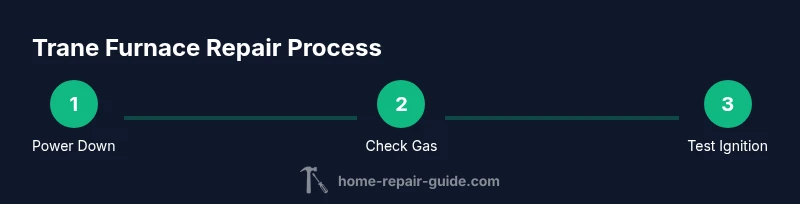
You will learn how to safely diagnose and repair common Trane furnace issues, from confirming power and gas supply to testing the ignition and replacing clogged filters. This step-by-step guide emphasizes safety, proper wiring, and when to call a pro. By the end, you’ll know practical, DIY-friendly fixes for typical Trane furnace problems.
Safety and Preparation for Trane Furnace Repair
Working on a furnace requires respect for electrical, gas, and moving parts. Before you touch anything, switch off the power at the service disconnect and the furnace’s circuit breaker. If you smell gas, evacuate and contact your gas utility immediately. Wear safety glasses and gloves, and keep a clear workspace free of clutter. According to Home Repair Guide, prioritizing safety reduces risk and sets the foundation for effective troubleshooting. In Trane furnace repair projects, most common issues start with a simple power or filter problem, but never skip a safety check as you proceed.
This section outlines the mindset and prerequisites for a successful repair, including verifying model compatibility with your maintenance plan and ensuring you have a reliable flashlight, a digital multimeter, and a non-contact voltage tester on hand. You’ll also want a clean, organized area to avoid misplacing screws or components during disassembly. If you feel unsure about any step, it’s wise to pause and consult a pro to avoid hazardous mistakes.
Understanding Trane Furnace Components and How They Fail
Trane furnaces share core components like the blower motor, heat exchanger, burner assembly, igniter, flame sensor, and control board. When any of these parts malfunction, you may notice no heat, delayed ignition, cycling on and off, or unusual noises. Familiarity with these parts helps you pinpoint the likely failure modes without jumping to conclusions. For DIYers, knowing what each component does is crucial for safe testing and targeted fixes. Home Repair Guide emphasizes that understanding system layout reduces unnecessary disassembly and speeds up repair.
Common Failure Signals for Trane Furnaces
Common signals include no heat despite a call for heat, rapid cycling, a burning or metallic smell, or a loud rumbling sound from the blower area. If the furnace lights but shuts off quickly, the flame sensor or ignition system may be dirty or failing. A frequent cause of delayed ignition is a clogged filter restricting airflow. Electrical faults such as blown fuses or a tripped breaker can mimic furnace problems—these deserve a quick, careful check before deeper repairs. Recognizing these signals helps you decide whether to continue DIY testing or call a professional.
Pre-Diagnosis Checklist to Streamline Troubleshooting
Start with the basics: confirm the thermostat is calling for heat, verify the furnace has power, and check the air filter. Next, inspect the gas valve position and ensure the gas supply line is open. Look for condensation, water leakage, or ice buildup around the condensate line, which can cause shutdowns. Clean or replace the air filter if dirty, ensure vent pipes are clear, and verify that CO detectors are functional. These checks often resolve many common Trane furnace issues without further disassembly.
Safe Diagnostic Approaches You Can Perform
With power off and the area cleared, you can perform non-destructive tests: inspect the ignition module for corrosion, test the flame sensor with a clean cloth, and measure voltage at the control board using a multimeter. If ignition fails, you may need to test the igniter resistance and verify whether the burner ignites within a couple of seconds. Always follow the manufacturer’s service manual for voltage ranges and safe testing procedures. Do not touch live components and never bypass safety switches.
Basic Repair Procedures You Can Attempt
Replacing dirty or failed filters is a simple yet effective starting point. If the flame sensor is dirty, gently clean it with a soft, non-abrasive cloth. For ignition issues, check the igniter for cracks or build-up and replace if damaged. If a capacitor or blower motor shows signs of wear, consider replacement only if you’re comfortable with electrical components and have the proper screwdrivers and wiring knowledge. Keep in mind that some repairs require specialized tools or parts, and improper reassembly can create safety risks.
Post-Repair Testing and Startup Checks
After completing a repair, restore power and run a test cycle. Listen for normal burner ignition, observe stable flame quality, and monitor intake and exhaust for proper venting. Confirm there are no error codes on the control panel. Use a CO detector to verify safe indoor air quality during and after testing. If the furnace fails to stay on, recheck wiring connections and sensor placements. Document the test results for future reference.
Safety, Codes, and Professional Boundaries
This section emphasizes the importance of CO safety, proper venting, and ensuring gas seals are intact. If you encounter a cracked heat exchanger, persistent gas odor, or uncertain gas line conditions, contact a licensed HVAC technician. Trane furnace repair often involves dealing with gas and combustion air supply; mistakes can be dangerous. Following local codes and the manufacturer’s instructions safeguards your home and adds long-term reliability to any DIY fixes.
Maintenance Mindset: Preventive Care for Trane Furnaces
Regular maintenance saves money and reduces breakdowns. Change filters every 1-3 months depending on usage and indoor air quality. Schedule annual professional inspections to verify heat exchanger integrity, ductwork, and venting. Keeping the blower motor clean and lubricated (where applicable) can extend service life. A proactive maintenance routine lowers the risk of unexpected outages and keeps your system running efficiently.
Troubleshooting Quick Reference: At-a-Glance Checks
Keep this quick reference handy: verify power and thermostat call, inspect the air filter, inspect the flame sensor, test ignition and control board signals, confirm gas valve operation, and check venting. If you encounter persistent odors, gas smells, or error codes that you don’t recognize, pause and seek professional help. This easy reference helps you stay organized and minimizes risky trial-and-error attempts.
Tools & Materials
- Phillips and flathead screwdrivers(Assorted sizes for panel screws and wiring terminals)
- Digital multimeter(For testing voltage and continuity safely)
- Non-contact voltage tester(Quick confirmation of live circuits before touching wires)
- Nut drivers and socket set(Accessing mounting screws and electrical connections)
- Soft brush and cloth(Clean flame sensor and burner area without scratching surfaces)
- Replacement parts (as needed)(Igniter, flame sensor, capacitors, or filters depending on diagnosis)
- Gas leak detector solution(Check for leaks around joints when handling gas lines)
- Safety gear(Goggles, gloves, and a dust mask as needed)
- Vacuum with small nozzle(Clean loose debris from burner compartment)
- CO detector(Place near sleeping areas to monitor indoor air safety)
Steps
Estimated time: 2-3 hours
- 1
Power down and safety check
Locate the service disconnect and switch off the furnace circuit breaker. Confirm there is no power before touching any wiring. This step prevents electric shock and accidental ignition.
Tip: Use a non-contact tester to verify no voltage at exposed terminals before starting. - 2
Verify gas supply and shutoff position
Ensure the gas valve is fully open and listen for a steady gas flow. If you smell gas, evacuate immediately and contact your gas utility. Do not proceed with ignition testing if gas flow is compromised.
Tip: If the shutoff valve is hard to reach, pause and get professional assistance. - 3
Inspect and replace the air filter
Remove the filter, inspect for dirt, and replace if dirty or blocked. A clogged filter reduces airflow and can cause overheating or cycling problems.
Tip: Keep spare filters on hand and note the correct filter size. - 4
Test ignition system and flame sensor
With power still off, inspect the igniter for cracks or soot buildup and assess flame sensor cleanliness. If ignition fails, measure the igniter resistance per the manual and consider cleaning or replacement.
Tip: Avoid touching ignition surfaces with bare hands to prevent oil contamination. - 5
Check thermostat and control wiring
Inspect the thermostat wiring at both ends for loose connections or damaged insulation. Confirm the thermostat is calling for heat and that the control board receives the signal.
Tip: Replace worn thermostat batteries and verify zoning if applicable. - 6
Evaluate the blower and electrical components
Check the blower motor, belt (if present), and capacitor for signs of wear. Test voltage at the control board and inspect wiring for damage or corrosion.
Tip: A failing capacitor can mimic other issues; handle capacitors with care and discharge safely. - 7
Inspect venting and condensate drain
Ensure exhaust vent lines are clear and drain lines are free of blockages. Poor venting can cause backdrafts and CO buildup, triggering safety shutoffs.
Tip: Never seal vent joints with sealant that could obstruct airflow; use proper joint materials. - 8
Ignition trial and flame quality check
Restore power and run a controlled ignition test. Observe flame stability and color. A yellow or flickering flame indicates improper combustion that requires further adjustment.
Tip: If flame is unstable, shut down and recheck gas pressure and burner alignment. - 9
Post-repair safety checks
Run a full cycle and verify the furnace stays on for the duration of the heat call. Use a CO detector to confirm safe indoor air quality.
Tip: Document readings and any error codes for future reference. - 10
Wrap up and maintenance planning
Record the fixes performed and schedule an annual inspection. Maintain filters and schedule ongoing routine checks to extend system life.
Tip: Keep a repair diary and set reminders for filter changes.
FAQ
Do I need a professional for Trane furnace repairs?
Minor maintenance and safe diagnostics can be DIY, but issues involving gas, flame integrity, or heat exchangers should be handled by a licensed HVAC technician.
For risky parts like gas lines or heat exchangers, hire a professional.
What basic tools are required for Trane furnace diagnostics?
A digital multimeter, non-contact voltage tester, screwdrivers, and basic cleaning supplies are sufficient for many checks. Always follow the manufacturer’s guidelines.
Common tools include a multimeter and voltage tester for safe checks.
How often should a furnace be inspected?
Most homeowners should schedule a professional annual inspection, with DIY checks monthly (filters, thermostat, and visible connections). Regular maintenance helps prevent unexpected failures.
Aim for an annual pro inspection and monthly DIY checks.
What signs indicate a flame sensor cleaning is needed?
If the furnace struggles to light or runs briefly before shutting off, the flame sensor may be dirty. Cleaning with a soft cloth usually resolves this.
If ignition is erratic, the flame sensor could be dirty.
When should I replace the ignition component?
Visible cracks or excessive wear on the igniter warrant replacement. If tests indicate abnormal resistance or delayed lighting, replacement is advisable.
Replace the igniter if it’s cracked or shows wear.
What safety devices should I verify during a repair?
Verify CO detectors, venting, and gas valve operation. Do not bypass safety switches or venting components.
Check safety devices and venting; never bypass them.
Watch Video
Key Takeaways
- Prioritize safety before any repair work.
- Diagnose by testing, not guessing.
- DIY fixes are suitable for basic issues with clear symptoms.
- Know when to escalate to a licensed technician.
- Maintain the system to reduce future breakdowns.