HVAC Repair Pay Guide 2026: What Technicians Earn
Discover HVAC repair pay ranges, regional differences, and how certifications affect earnings in 2026. A practical guide for homeowners and technicians from Home Repair Guide.


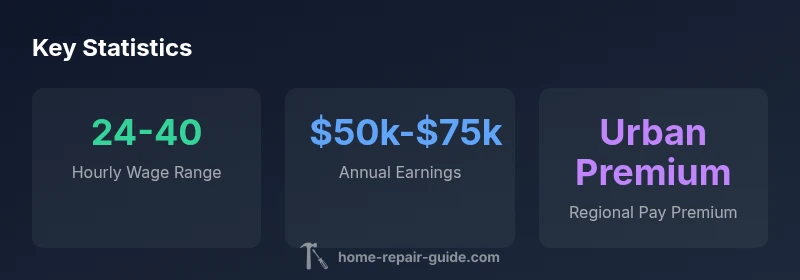
The Home Repair Guide analysis shows that HVAC repair workers earn a typical hourly wage in the range of $25 to $40, with experienced technicians in high-demand markets earning higher. Entry-level roles start lower, while journeyman and lead technicians in urban areas may command $45–$60 per hour depending on certifications and employer. Salaries also vary by region and demand.
How Pay Is Structured for HVAC Repair Technicians
Wages for HVAC repair work reflect a mix of hands-on skill, reliability, and the value of timely service. Entry-level technicians build skills on the job and typically earn lower hourly rates as they learn core diagnostics, safety protocols, and equipment basics. As technicians gain experience and tackle more complex jobs, their earnings rise. The Home Repair Guide team notes that earnings are sensitive to geographic demand, employment type, and the mix of residential versus commercial work. Over time, experienced techs often command higher call-out rates, faster diagnostics, and the ability to upsell maintenance contracts, all of which can shift earnings upward. Understanding this structure helps homeowners budget and helps professionals set realistic salary goals.
Key Factors That Drive Earnings
Even with a standard wage range, several levers push earnings up or down. Certifications such as EPA Type II/III and NATE can add value; union membership may influence pay in some markets; employer type (independent contractor, small business, or large service company) affects benefits and base pay. Local competition, call frequency, and the frequency of emergency service also shift compensation. The analysis from Home Repair Guide shows that technicians who specialize in heat pumps, refrigeration, or complex diagnostics often command premium rates and may negotiate on-call premiums. Geographic demand, vehicle allowances, and tool stipends can also contribute to overall compensation.
Regional Variations and Market Demand
Pay scales for HVAC repair are highly regional. Urban centers and regions with extreme weather or high housing turnover tend to offer higher hourly rates and more overtime opportunities. Rural areas may present lower base wages but less competition and more stable demand. According to Home Repair Guide analysis, geographic pay gaps can be significant even within the same state, and the cost of living should be weighed against nominal wage figures when evaluating job offers or planning service pricing.
Certifications, Experience, and Career Path
Developing credentials matters. EPA certifications, NATE, and manufacturer-specific training can translate to higher rates and more specialized work. Apprenticeships and on-the-job training yield wage increases as you move from apprentice to journeyman to lead technician. Experience reduces job risk and increases efficiency, both of which influence bonuses and on-call compensation. Long-term career planning—such as pursuing specialized controls work, R-22/R-410A refrigerant handling expertise, or commercial service—often leads to meaningful earnings growth.
Economic Factors and Employer Type
The overall economy, housing market, and construction activity influence demand for HVAC repairs. Privately owned shops may offer different pay structures compared to franchise or corporate employers, sometimes including performance-based bonuses or profit sharing. Independent contractors can influence earnings through job selection and scheduling, but they also shoulder more overhead and benefits considerations. When evaluating opportunities, weigh gross pay against benefits, reliability of steady work, and the potential for recurring maintenance contracts.
What This Means for Homeowners Budgeting and Hiring
When budgeting for HVAC repairs or system replacements, knowing typical pay ranges helps you compare quotes more effectively. Expect higher costs if you require emergency service during peak seasons or in high-demand regions. For homeowners, prioritizing qualified technicians with current certifications reduces the risk of costly mistakes and returns. Use the wage context to assess bids, but remember that equipment quality, warranty terms, and after-service support also significantly impact total cost of ownership.
Typical wage by HVAC role
| Role | Typical hourly wage range | Notes |
|---|---|---|
| Entry-level HVAC Technician | 18-28 | Base pay during initial learning period |
| Journeyman HVAC Technician | 25-40 | Most technicians in market |
| Senior Technician/Lead | 40-60 | Specialized diagnostics and projects |
| Field Supervisor/Manager | 50-75 | Combination of leadership and on-call work |
FAQ
What factors influence HVAC repair wages?
Wages are driven by location, experience, certifications, and employer type. Market demand and the mix of residential versus commercial work also play a role.
Wages depend on where you work, your experience, and the certifications you hold.
Do wages differ by region?
Yes. Pay tends to be higher in urban and high-demand regions; rural areas may have lower base rates.
Yes, wages vary a lot by region.
Does certification impact earnings?
Yes. EPA certifications and NATE credentials can lead to higher pay and more specialized jobs.
Certifications can boost pay and job options.
Is overtime paid for HVAC jobs?
Overtime is common in service roles, especially during peak seasons or emergencies. Rate often increases for after-hours work.
Yes, overtime pay is common in HVAC work.
How can a technician increase earnings?
Pursue certifications, specialize (heat pumps, controls), build reputation, and seek roles with higher responsibility or union support.
Get certified, specialize, and seek higher-responsibility roles.
What is an entry-level wage range?
Entry-level wages start lower; typically in the lower portion of the wage range depending on region.
Entry wages start lower and rise with experience.
“Wage potential for HVAC repair technicians hinges on location, certifications, and market demand. As markets shift, skilled technicians who invest in training tend to see stronger returns.”
Key Takeaways
- Know regional wage ranges and role-based pay.
- Pursue certifications to boost earning potential.
- Expect higher pay in urban, high-demand markets.
- Use wage ranges to compare quotes and plan budgets.