Cooling System Car Repair: A Practical Step-by-Step Guide
Learn to inspect, diagnose, and repair your car's cooling system with a practical, safety-focused approach. This guide covers leaks, thermostat failures, radiator issues, and fan problems with clear steps and solid maintenance tips.


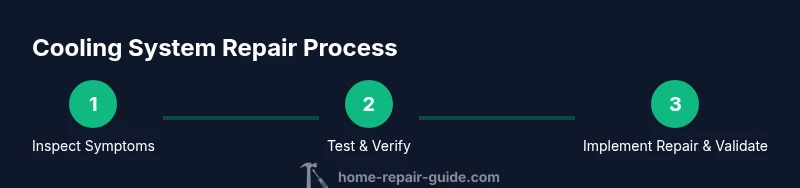
By following this guide, you will diagnose and repair common cooling system problems in passenger vehicles, including coolant leaks, thermostat failures, radiator clogging, and faulty fans. You’ll learn safe, practical steps, required tools, and when to seek professional help. The goal is to restore proper engine cooling and prevent overheating.
Why cooling system car repair matters
Engine cooling is essential to prevent overheating, reduce wear, and preserve performance. According to Home Repair Guide, a well-maintained cooling system helps engines run efficiently and can prevent costly damage. In modern vehicles, the cooling system works with the thermostat, water pump, radiator, fans, and coolant to maintain an optimal operating temperature. When any component fails, the engine may overheat, leading to gasket failures, warped cylinders, or shortened engine life. This guide emphasizes a structured approach to diagnosing and repairing cooling problems, highlighting safety, proper coolant handling, and manufacturer guidelines. Maintenance habits, replacement timelines, and diagnostic tips are presented to help you develop a proactive plan rather than a reactive one. By keeping tabs on coolant color, level, and pressure, you can catch issues early and minimize downtime. Home Repair Guide’s practical focus means you’ll learn to work efficiently, safely, and with clear limits about when to call a pro.
From a homeowner or renter perspective, this topic isn’t just about comfort; it’s about protecting your engine investment and maintaining reliability for daily driving. The steps below balance DIY feasibility with professional thresholds, helping you decide when a professional diagnosis is the safer route. Remember, any work on cooling components involves heat, pressure, and hazardous fluids—protect yourself with gloves, eye protection, and proper disposal.
Key components of a cooling system
A car's cooling system contains several interdependent parts that work together to regulate engine temperature. The radiator disperses heat from the coolant as it flows through, while the coolant itself (often a 50/50 mix of water and antifreeze) carries heat away from the engine. The thermostat controls flow based on temperature, and the water pump circulates coolant through the engine and radiator. Hoses connect components, and the reservoir stores surplus coolant. The cooling fans (electrical or mechanical) boost airflow when the vehicle is stationary or under heavy load. A temperature sensor or gauge provides real-time feedback so you can monitor performance. Understanding how these pieces fit helps you diagnose problems more accurately and plan safe repairs. It’s also essential to use the correct coolant type and mixture for your vehicle as specified by the manufacturer, since wrong coolant can cause corrosion or reduced cooling efficiency. Regular checks of hose integrity, clamps, and the radiator cap are part of responsible maintenance, too. When one part shows wear, others can be affected, so treat the system as a whole rather than chasing a single symptom. For DIYers, building familiarity with each component paves the way for safer, more effective maintenance.
Common symptoms that signal trouble
Recognizing early signs of cooling system trouble saves money and avoids engine damage. Watch for an overheating gauge or warning light, which indicates the engine is not cooling efficiently. A sweet, syrupy smell near the engine bay can signal coolant leaks, while visible green, orange, or pink fluid puddles under the car confirm a leak. Steam from under the hood, frequent coolant top-offs, or a radiator cap that won’t seal are also red flags. You may notice reduced heating inside the cabin in winter, poor heater performance, or a noisy cooling fan that runs constantly. Deteriorated hoses, cracked water hoses, or swollen hose clamps often precede more serious issues. If your car exhibits any of these symptoms, stop driving if safe and start a systematic check of the cooling system. Early diagnosis lets you plan repairs and avoid emergency towing or engine damage. Home Repair Guide emphasizes a calm, methodical approach to verify each potential culprit before replacing parts.
Diagnostic steps you can do at home
Begin with a visual inspection of the cooling system. Check coolant level in the reservoir when the engine cold, and look for signs of leaks on hoses, clamps, radiator, and water pump. With the engine cool, gently squeeze hoses to feel for hard spots or soft bulges, which indicate wear. Inspect the radiator fins for obstructions like leaves or dirt, and ensure the radiator cap seats properly. If you have access to a pressure tester, seal the system and pressurize to the manufacturer’s specification to check for leaks. Use an infrared thermometer or non-contact temp gun to compare inlet and outlet temperatures across the radiator while the engine runs to gauge cooling efficiency. Listen for a fan that runs when the engine reaches operating temperature; a non-running fan under load often signals a failed relay or sensor. Remember to replace any cracked hoses and worn clamps and to verify that the coolant color remains clear and consistent with the type used in your vehicle. Avoid opening the coolant system while hot to prevent scalding and burns. In short, a careful, methodical check often reveals the root cause before you commit to larger repairs. As Home Repair Guide notes, following a structured diagnostic process reduces unnecessary replacements and keeps downtime to a minimum.
Repair and replacement options
Once you’ve diagnosed the issue, you’ll decide between a DIY fix or professional service. Minor leaks from hose connections may be addressed with clamps or replacement hoses, while cracked hoses or damaged radiator cores usually require parts replacement. A sticking or failed thermostat can often be replaced with a fresh unit, restoring proper coolant flow. If the water pump shows signs of leakage or loud bearing wear, replacement is typically warranted. Radiator condensers clogged with debris may benefit from a professional flush and cleaning to restore full flow. In some cases, a coolant flush and refill are advised to remove contaminants and restore corrosion protection. For DIYers, plan to drain and dispose of old coolant properly, replace with the correct type and mixture, and bleed air from the system as required by your vehicle. Above all, safety matters: never work on a pressurized cooling system, and consult your manual for torques, temperatures, and procedures. Depending on your vehicle’s age and condition, a professional may be the safest option for complex failures. The Home Repair Guide team recommends prioritizing repairs that preserve engine integrity and reliability while avoiding potentially dangerous mistakes.
Maintenance to prevent overheating
Proactive cooling system maintenance reduces the risk of unexpected breakdowns and keeps your vehicle running smoothly. Regular inspections of hoses, clamps, and the radiator cap help you catch wear before it becomes a leak. Use the manufacturer’s recommended coolant type and change intervals, and perform a coolant flush if you notice sludge or unusual color, or if you’ve had a system bleed. Keep the cooling system clean from debris that can clog the radiator and obstruct airflow. Maintain proper cooling fan operation by testing the fan relay and temperature sensor, especially in hot climates. Use a funnel to fill the reservoir after servicing to avoid air pockets, and never open a hot radiator cap. The Home Repair Guide analysis shows that regular, preventive maintenance reduces overheating risk and helps extend engine life. In short, a simple routine—visual checks, air-free bleeding, and a timely refill—goes a long way toward reliable performance and lower repair costs. A well-maintained cooling system also contributes to engine efficiency and fuel economy, which benefits both you and the environment. Remember to document service dates and observations so you can track trends over time and plan future maintenance accordingly.
Authority sources
For further reading and verification, consult these authoritative sources:
- https://www.nhtsa.gov
- https://www.consumerreports.org
- https://www.edmunds.com
Tools & Materials
- Owner's manual and service manual(Model-specific specs and procedures)
- Coolant(Use the coolant type and mix recommended by the manufacturer)
- Distilled water(For diluting concentrate or flushing, as needed)
- Funnel(To minimize spills during filling)
- Gloves and eye protection(Protect skin from hot surfaces and chemicals)
- Coolant drain pan(To collect old coolant for proper disposal)
- Socket set and screwdrivers(For hose clamps and accessory removal)
- Pliers and hose-cutting tool(Optional for stubborn clamps or damaged hoses)
- Radiator pressure tester (optional)(Helpful to locate small leaks under pressure)
- Infrared thermometer (optional)(For quick coolant temperature checks)
Steps
Estimated time: 60-120 minutes
- 1
Prepare safety gear and workspace
Set up in a well-ventilated area, wear gloves and eye protection, and ensure the engine is cool before starting. Gather all tools and fluids to minimize trips to the toolbox. This keeps the job efficient and safe.
Tip: Double-check that the vehicle is securely parked and the transmission is in park with the parking brake engaged. - 2
Locate potential leaks and assess symptoms
Visually inspect hoses, reservoir, radiator, and clamps for signs of moisture or cracks. Note the location of any puddles and the color of the fluid to help identify the source. If you see active dripping, mark the area before continuing diagnostics.
Tip: Take pictures of suspected leaks for reference during parts replacement. - 3
Check coolant level and condition
With the engine cold, remove the reservoir cap and inspect the coolant level. If low, top up with the appropriate coolant mixture following the manufacturer’s guidelines. Inspect the coolant color for contamination or sludge that indicates a flush is needed.
Tip: Never open a hot cooling system; scalding liquid can cause severe burns. - 4
Test thermostat operation
Remove the thermostat if accessible and test it in hot water to see if it opens at the rated temperature. If it sticks or fails to open, replace it with a new unit. Reassemble only when you confirm it operates correctly.
Tip: Keep a note of torque specs and use a new gasket during reassembly. - 5
Inspect radiator, hoses, and clamps
Check radiator core for cracks or clogging; inspect all hoses for cracks, bulges, or soft spots. Replace any damaged hoses and straighten clamps; ensure all connections are clean and dry before reinstalling.
Tip: Use a clean rag to wipe residue from hose ends to ensure a proper seal. - 6
Evaluate water pump and fan operation
With the engine running and at operating temperature, observe the water pump for any coolant spray or leaks and listen for a loud bearing noise. Confirm the cooling fan engages when the engine reaches high temperature. If the pump or fan shows failure, plan replacement.
Tip: A failed pump often leaks from the shaft seal; replace early to prevent full failure. - 7
Decide on repair approach
If leaks are minor or hoses are worn, you may perform replacements yourself. More complex issues, like a radiator core or water pump failure, usually require professional service. Always weigh safety and your comfort with complex tasks.
Tip: Document every step and parts used for future maintenance records. - 8
Refill coolant and test the system
Drain old coolant if required, fill with the correct mixture, and bleed air from the system per the manual. Start the engine and run to operating temperature, checking for leaks and ensuring the temperature gauge reads normally. Top off as needed and dispose of old coolant responsibly.
Tip: Maintain disposal guidelines to prevent environmental harm.
FAQ
What are the most common cooling system problems?
Common issues include coolant leaks, a clogged radiator, thermostat failure, a failing water pump, and a faulty cooling fan. Diagnosing the exact cause requires checking each component step by step.
Common problems include leaks, a clogged radiator, a bad thermostat, a failing water pump, or a faulty cooling fan.
Can I fix a coolant leak myself?
Minor leaks from hoses can sometimes be repaired at home with clamps or new hoses. Larger leaks or radiator damage typically require professional service to ensure the system is sealed safely and correctly.
Small leaks can be fixed at home, but bigger leaks usually need a professional.
Is it safe to drive with an overheating engine?
No. Overheating can cause severe engine damage. If you notice high heat, pull over safely, turn on the heat to help cooling, and call for assistance if the issue persists.
No, overheating is not safe. Stop driving and seek help if it continues.
How often should I replace coolant?
Follow the manufacturer’s schedule; coolant should be replaced when it degrades or as recommended. Some systems require refreshing the coolant every few years or at service intervals dictated by the vehicle.
Replace coolant according to the manufacturer’s schedule, not on a fixed calendar.
What tools do I need for a basic coolant flush?
You’ll need a drain pan, approved coolant, distilled water, a funnel, and basic hand tools. A coolant flush kit and a pressurizing tool can help, but follow the vehicle’s manual for compatibility.
A drain pan, the right coolant, water, a funnel, and basic tools are needed for a flush.
When should I call a mechanic for cooling system work?
Call a mechanic if you notice persistent leaks, steam, continuous overheating, or signs of a failing water pump. Complex issues or radiator core damage are safer handled by a professional.
If leaks persist or overheating returns, a professional should inspect the system.
Watch Video
Key Takeaways
- Inspect safely and methodically before replacing parts
- Use manufacturer-recommended coolant and follow bleed procedures
- Diagnose, don’t guess—leaks and worn hoses are common culprits
- Know when to call a professional for complex failures
- Maintain a proactive maintenance schedule for longevity