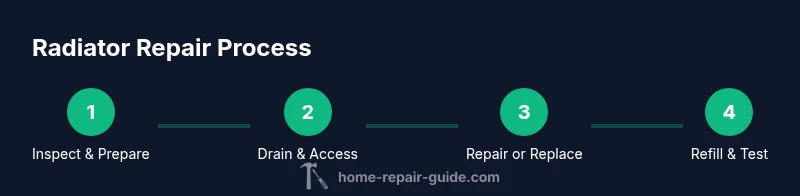
Car Radiator Repair: Step-by-Step Guide for Homeowners
Learn how to diagnose, repair, and maintain your car radiator with a step-by-step guide for homeowners. Safety, tools, and pro tips included to help you save time and avoid costly mistakes in 2026.


By following this guide, you will diagnose and perform common car radiator repairs, including leaks and clogged fins, while staying safe. You'll learn when to seal a small leak, how to pressure-test the system, and how to decide whether replacement is necessary. This is a practical, affordable approach from Home Repair Guide.
Understanding the car radiator and cooling system\n\nThe car radiator is a key part of your cooling system. It dissipates heat from the engine coolant as it flows through the radiator fins. In most cars, the coolant cycle includes the radiator, water pump, thermostat, hoses, and a reservoir or overflow tank. The radiator's job is to transfer heat from the hot fluid to the ambient air, allowing the engine to run at a safe temperature. This overview explains how the radiator is designed to handle typical wear and why corrosion, leaks, and blockages are common failure points over time. For homeowners, the goal is to identify issues early, perform safe, practical repairs when feasible, and know when to call a professional. This Home Repair Guide approach blends practical how-to with safety basics so you can make informed decisions about car radiator repair in your driveway, garage, or local shop.
Common radiator problems and symptoms\n\nRadiator problems often present as coolant leaks, overheating, reduced heater performance, or visible corrosion on fins. Leaks may come from hoses, hose clamps, the radiator core, or the radiator cap. Overheating can signal reduced coolant flow, a stuck thermostat, a blocked radiator, or a failing water pump. If you notice discolored coolant, milky oil, or sweet-smelling steam, these are signs to stop driving and diagnose further. A clogged radiator reduces heat transfer and may lead to engine damage if ignored. Early detection matters: Home Repair Guide emphasizes that low-cost, careful fixes beat costly engine repairs later. Always consider the age of the vehicle and the feasibility of a repair versus replacement. By 2026, many DIY repairs focus on minor leaks and hose replacements, but major core damage often requires professional service. Remember to treat coolant as hazardous waste and dispose of it responsibly.
Diagnosing leaks and pressure testing\n\nDiagnosis begins with a meticulous visual check: inspect hoses, clamps, the radiator seams, and the cap for signs of moisture, crust, or seepage. A hand-over-hand inspection may reveal a slow leak that isn’t obvious when the engine is cold. A radiator pressure tester allows you to pressurize the system to the manufacturer’s recommended level, helping locate leaks without running the engine. If the test holds for several minutes, the leak is likely in a hose, clamp, or cap; if it fails, you may have a crack in the core or a failed gasket. After repairs, re-test to confirm the seal and verify that the cooling system maintains proper pressure during a short idle run. This approach aligns with safety norms and practical guidance from Home Repair Guide, ensuring you’re confident before driving again.
Safety considerations and PPE\n\nWorking with the cooling system involves hot fluids, pressurized lines, and chemical risk from coolant. Always let the engine cool completely before starting work. Wear eye protection, chemical-resistant gloves, and long sleeves. Work in a well-ventilated area and avoid skin contact with coolant. Use a catch pan and proper disposal methods for spent coolant. Keep pets and children away from the work area. If unsure about the system’s pressure or the extent of the damage, pause and seek professional help. This precautionary mindset minimizes burns, chemical exposure, and environmental hazards, reflecting Home Repair Guide's emphasis on safety.
Inspecting and prepping for a repair\n\nThorough prep reduces surprises. Start by verifying the vehicle’s service manual for coolant type and fill ratios. Gather the tools and replacement parts you’ll need, such as hoses, clamps, and a cap that matches your model. Clean the radiator exterior to spot leaks more easily and remove any debris lodged in the fins. For an older vehicle, plan for additional corrosion around fittings and potential replacement of plastic tanks. Documenting the baseline condition helps you track changes after repair and guides decisions about whether to repair or replace components.
Minor fixes vs full replacement strategies\n\nNot every radiator problem requires a full replacement. Small leaks along hose connections, leaking clamps, or a worn radiator cap can often be addressed with high-quality clamps, new hoses, or a cap that maintains proper sealing. For plastic tanks or corroded cores, a patch or epoxy might provide a temporary fix, but it’s typically a short-term solution. If you notice a persistent leak from the core or significant corrosion around the tanks, planning a core replacement or radiator replacement is prudent. Always weigh the vehicle’s age, repair cost, and expected remaining lifespan when deciding between a repair and a replacement. This decision is central to a practical approach that Home Repair Guide recommends for long-term reliability.
Preventive maintenance to extend radiator life\n\nPreventive maintenance is cheaper than reactive repairs. Schedule regular coolant flushes as recommended by your vehicle’s manufacturer. Inspect hoses, clamps, and the radiator cap during routine maintenance, and replace worn components before leaks appear. Keep the cooling system clean by removing debris from the radiator fins and ensuring the air flow is unrestricted. Use the correct coolant type and mix according to your manual. A simple maintenance routine can significantly extend radiator life and prevent overheating.
Cost considerations and when to hire a professional\n\nCosts for radiator repair depend on the extent of the damage, the parts required, and labor rates in your area. Minor fixes—like hose replacements or a cap switch—are often affordable, while core or tank repairs can carry higher costs. For certain vehicles, replacement radiators may be the most economical long-term choice. When in doubt, compare the estimated cost of DIY fixes against professional repair estimates, and consider the vehicle’s age and overall condition. Home Repair Guide suggests seeking professional help if you’re uncomfortable with pressure testing, radiator core work, or complex disassembly. A professional can ensure a proper seal, correct flow, and safe disposal of old coolant.
Post-repair testing and monitoring\n\nAfter any repair, perform a careful test run. Start the engine and monitor temperature gauges, look for leaks, and perform a quick road test to ensure the cooling system maintains proper pressure under load. Refill coolant to the recommended level and bleed air from the system if your vehicle requires it. Check the reservoir and cap for proper operation and verify there are no new leaks. Keep an eye on the dashboard temperature indicator for the first few drives and be prepared to pull over if you see abnormal temperatures. Regular monitoring helps confirm that the repair is lasting and prevents a recurring issue.
Tools & Materials
- Coolant compatible with your vehicle(Follow manufacturer specs; avoid mixing different coolant types.)
- Distilled water(For creating a 50/50 mix if required by the coolant.)
- Radiator flush kit (optional)(Use if performing a full system clean.)
- Funnel(For controlled pouring and refilling.)
- Drain pan(To capture used coolant safely.)
- Rags or towels(Keep the work area clean and absorb spills.)
- Radiator pressure tester(Helpful to verify leaks without running the engine.)
- Screwdrivers (flat and Phillips)(To loosen clamps and hoses.)
- Pliers(For hose clamps and fittings.)
- Socket set(Common sizes for fasteners on radiator components.)
- Replacement hoses and clamps(Keep on hand if hoses show signs of wear.)
- Protective gloves and eye protection(Coolant exposure is hazardous; PPE is essential.)
- New radiator cap (match spec)(Cap must meet vehicle spec for proper sealing.)
Steps
Estimated time: 1-2 hours
- 1
Prepare safely and inspect the area
Park on level ground and let the engine cool completely. Open the hood and visually inspect hoses, clamps, and the radiator for obvious leaks or damage. Gather tools and replacements before starting.
Tip: Wear eye protection and gloves; coolant is toxic. - 2
Drain coolant and access the system
Place a drain pan under the radiator drain plug or lower hose. Open the drain valve (if present) or loosen clamps to allow coolant to flow out. Do not open the radiator cap while the engine is hot.
Tip: Catch and recycle old coolant per local regulations. - 3
Inspect hoses, clamps, and cap
Check all hoses for cracks, bulges, or soft spots. Replace worn clamps; inspect the radiator cap for a proper seal. If you notice signs of wear, replace the affected parts.
Tip: Take photos before removal to aid reassembly. - 4
Pressure test the cooling system
Attach a radiator pressure tester to the fill neck and apply the recommended pressure. Observe for any pressure drop or visible leaks around hoses, seams, and the core.
Tip: Do not exceed the recommended pressure; overheating can damage components. - 5
Address leaks and damaged parts
Tighten or replace hoses and clamps as needed. If the core or tank is leaking, plan for a replacement or professional evaluation. Small hose leaks can sometimes be sealed temporarily, but monitor for reoccurrence.
Tip: For core damage, a professional repair is usually more reliable than a DIY patch. - 6
Refill and bleed the system
Reconnect removed parts and refill with the correct coolant mix. Bleed air from the system if your vehicle requires it; this helps prevent air pockets that cause overheating.
Tip: Use a funnel and fill slowly to reduce air entrapment. - 7
Run the engine and monitor
Start the engine and bring it up to operating temperature while monitoring the gauge. Check for leaks again and top off coolant if the level falls during warming.
Tip: Keep a watchful eye on the temperature gauge during the first test drive. - 8
Final checks and cleanup
Inspect the area for any signs of leakage after cooling. Dispose of old coolant safely and clean up spills. Document the repair and schedule future maintenance.
Tip: Note the date and parts used to guide future maintenance.
FAQ
Can I fix a radiator leak myself, and when should I see a pro?
Minor leaks from hoses or clamps can often be addressed with replacements. Core leaks or structural damage typically require professional service. If you’re unsure about the extent of the damage, consult a qualified mechanic.
Small hose or clamp leaks can sometimes be fixed at home, but core leaks usually need a professional repair.
How do I know if I need a replacement rather than a repair?
If the radiator core is corroded, a cracked tank, or there’s extensive damage beyond hoses and caps, replacement is usually the most reliable option. Consider vehicle age, repair cost, and expected remaining life.
Core damage or extensive leaks often mean replacement is the wiser choice.
Is coolant replacement necessary after a repair?
Yes. After any repair that involves draining coolant, replace with the correct Type and mix as specified by the vehicle manufacturer. This helps prevent corrosion and ensures proper cooling performance.
Always replace coolant after draining; use the manufacturer’s recommended type.
What signs indicate a clogged radiator?
Signs include persistent overheating, reduced heater performance, and visible debris or sludge in the coolant. Regular maintenance helps prevent blockages from developing.
Overheating despite full coolant is a common sign of clogging.
How long does a typical radiator repair take?
A basic hose and cap replacement can take under a couple of hours; more extensive core work may require a longer service or part replacement. Always plan for potential delays if parts aren’t on hand.
Most simple repairs take a few hours; complex core work can take longer.
Can I drive with a suspected radiator problem?
If you suspect a leak or overheating, limit driving and seek professional assessment. Driving with a compromised cooling system can cause severe engine damage.
Don’t push your luck—seek a checkup if overheating or leaks are suspected.
Watch Video
Key Takeaways
- Identify cooling-system problems early to prevent engine damage.
- Differentiate between DIY fixes and major component failures.
- Prioritize safety and proper coolant disposal at all times.
- Test the repair thoroughly with a pressure check and road test.