AC Repair Service: Hire, Diagnose, and Maintain
Learn how to hire a reputable AC repair service, understand what to expect during a visit, and budget for common repairs. This 2026 guide from Home Repair Guide helps homeowners and renters navigate diagnostics, warranties, and maintenance.


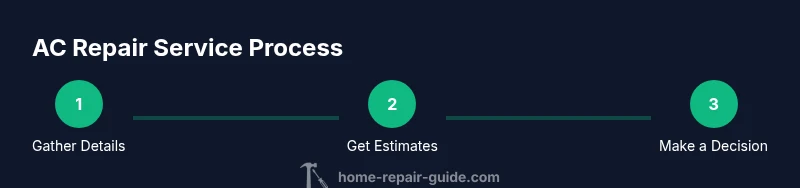
Hire and schedule a trusted AC repair service that can diagnose issues, estimate costs, and present options for repair or replacement. Before calling, gather your unit's model/serial number, symptoms, and recent maintenance. Ask about warranties, response times, diagnostic charges, and service area. Include expected visit duration and whether a written estimate is provided.
What is an AC repair service?
According to Home Repair Guide, an AC repair service is a professional evaluation and intervention that restores cooling efficiency and reliability to your air conditioning system. A qualified technician will inspect critical components such as the outdoor condenser unit, indoor air handler, refrigerant lines, electrical connections, capacitors, contactors, and thermostats. The goal is to identify the root cause, implement a safe repair, and restore proper airflow and humidity control. Beyond fixing the immediate problem, reputable services offer guidance on routine maintenance, part warranties, and energy-saving practices that can extend the life of your system in 2026 and beyond. A trustworthy provider will explain the diagnosis in plain language, present options, and provide a written estimate before any work begins.
Signs your AC needs professional repair
Not every issue requires a full replacement. Common symptoms that merit professional attention include persistent warm air, unusual noises, frequent cycling on and off, strange odors, ice formation on the evaporator coil, and a noticeable drop in efficiency or comfort. Thermostat inconsistencies or unexplained high energy bills can also signal underlying faults. If any of these occur, a licensed technician should inspect the system to prevent further damage and ensure safe refrigerant handling. Homeowners should not attempt refrigerant work or high-voltage inspections themselves due to safety and regulatory risks.
How to choose a reputable AC repair service
Start with licensing, insurance, and technician credentials. Look for NATE-certified technicians or EPA-approved certifications for refrigerant handling. Read reviews from local customers and verify that the company has a transparent service policy, upfront diagnostic fees, and clear written estimates that itemize parts and labor. Ask about warranties on repairs and the availability of emergency service. A reputable company will also discuss their approach to safety, customer communication, and adherence to local codes. For homeowners and renters, it helps to compare multiple quotes to understand the range of diagnostic charges and repair options before committing.
What to expect during a service call
During the visit, the technician should begin with a concise explanation of the suspected issues, followed by tests and measurements to verify the diagnosis. Expect measurements of refrigerant pressures, electrical continuity checks, thermostat calibration, airflow assessment, and coil cleanliness evaluation. The technician should present a repair plan with an itemized estimate, including parts, labor, and any potential follow-up work. If replacement is advised, discuss performance improvements, energy savings, and available warranty terms. At the end, request written documentation of the diagnosis, recommended actions, and a warranty on parts and labor.
Cost considerations and budgeting
Costs vary by region, unit type, and the parts required to restore operation. A repair visit typically includes diagnostic time, with additional charges for labor and any components replaced. Homeowners should request an itemized quote and ask about expected seasonal price trends or promotions. A prudent approach is to compare at least two estimates, clarify whether diagnostic fees are waived if repairs proceed, and understand the long-term cost implications of repair versus replacement for your specific system age and usage. According to Home Repair Guide analysis, 2026 emphasizes clear upfront communication to avoid surprise charges.
Maintenance tips to extend your system's life
Proactive care can reduce future repair needs. Change the air filter regularly, typically every one to three months depending on usage and allergy considerations. Schedule a professional tune-up annually to check refrigerant levels, clean coils, inspect ductwork for leaks, and verify thermostat accuracy. Keep outdoor components clear of debris and ensure proper airflow. Regular maintenance not only improves comfort but also increases energy efficiency and reduces the likelihood of costly emergency repairs.
Repair vs replacement: making the call
When deciding between repair and replacement, consider system age, repair frequency, and long-term costs. If the unit is nearing the end of its typical lifespan or you’re facing multiple, costly failures, replacement may offer better long-term value. Discuss available high-efficiency models and potential rebates or seasonal promotions. A reputable AC repair service can help you run a cost–benefit analysis, factoring in energy savings, warranty coverage, and expected maintenance needs over the coming years.
Tools & Materials
- Camera or smartphone for documenting symptoms(Take clear photos of outdoor unit, wiring, and thermostat.)
- Notepad and pen(Record symptom details, times, and any readings.)
- Model and serial number(Found on the label on the unit or owner's manual.)
- Access to the main service disconnect(Ensure the technician can safely reach the unit.)
- Recent maintenance records (optional)(Helpful for diagnosing chronic issues.)
Steps
Estimated time: 60-120 minutes
- 1
Gather essential unit information
Collect the model/serial number, thermostat details, and a chronological list of symptoms. Note the days and times when the problem occurs and any changes in cooling performance.
Tip: Having a timeline helps the technician pinpoint intermittent faults. - 2
Assess service options and pricing
Research local providers, request written estimates, and compare diagnostic fees, parts costs, and labor charges. Ask about warranties and whether fees are waived if repairs proceed.
Tip: Call at least two technicians to understand the market range. - 3
Schedule the service visit
Choose a time window that minimizes disruption and provides adequate access for the technician to inspect both indoor and outdoor units.
Tip: Confirm whether a same-day visit is possible for urgent issues. - 4
Prepare your space for the technician
Clear access to the outdoor condenser and indoor air handler. Remove clutter near the unit and provide any relevant wiring diagrams or previous service notes.
Tip: Ensure pets are secured and electrical panels are accessible. - 5
Review the diagnosis and options
Listen to the explanation, ask clarifying questions, and request a written, itemized repair plan before work begins.
Tip: Ask about the expected lifespan of parts and the impact on energy efficiency. - 6
Approve and document the repair
Authorize the repair with a written estimate and ensure any changes are communicated in writing during the job.
Tip: Keep copies of all documents and receipts for future reference. - 7
Plan post-service maintenance
Set up a maintenance schedule and discuss warranty coverage for the repair and any replacement parts.
Tip: Schedule a follow-up in the next season to prevent recurrence.
FAQ
What should I expect from a diagnostic visit?
A technician should review symptoms, perform tests on electrical components, airflow, and refrigerant levels, and provide a written diagnosis with recommended actions and a price estimate.
During a diagnostic visit, expect a clear explanation of the problem, tests performed, and a written repair plan with costs.
Is a diagnostic fee always charged?
Many providers charge a diagnostic fee, but it may be waived if you proceed with the repair. Always confirm this policy in writing before the visit.
Some technicians charge a diagnostic fee, but it can be waived if you repair with them—ask up front.
How long do repairs typically take?
Repair time varies by problem complexity and parts availability. Simple fixes may take a few hours; more extensive work could require multiple visits or a complete system replacement.
Most repairs take a few hours, but complex issues may need more time or a follow-up visit.
Repair vs replacement: how do I decide?
Consider the age of the unit, repair frequency, and long-term energy costs. If failures are recurring or the system is aging, replacement with a high-efficiency model may offer better value.
If the system is old and keeps failing, replacing it could save money in the long run.
What warranty should I expect on repairs?
Ask for a warranty covering parts and labor. A solid warranty protects you against future failures and provides peace of mind.
Make sure the repair comes with a warranty on both parts and labor.
How can I reduce future repair costs?
Schedule regular maintenance, replace filters, seal ducts, and consider upgrades to more energy-efficient components when replacing parts.
Regular maintenance and timely upgrades can prevent costly breakdowns.
Watch Video
Key Takeaways
- Know your unit details and symptoms before a visit
- Get written estimates and compare multiple quotes
- Decide repair vs replacement with long-term costs in mind
- Maintain your system regularly to extend life