What to Do for Maintenance: Your Step-by-Step Home Care Guide
Learn what to do for maintenance across your home with a practical, step-by-step approach. Build a seasonal calendar, prioritize safety, and budget for durable upkeep to reduce surprises and extend the life of your systems.


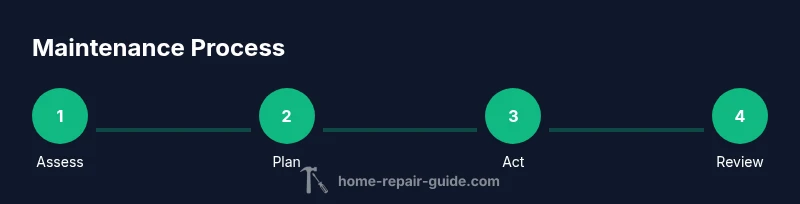
Here’s the quick answer: you will learn what to do for maintenance across your home, from quick fixes to durable upgrades. Follow a simple, repeatable process to reduce surprises and extend system life. This snippet explains the approach, essential tools, and how to build a practical maintenance calendar with guidance from Home Repair Guide.
Why Regular Maintenance Matters
Regular maintenance is the quiet work that keeps your home safe, comfortable, and cost-efficient. A proactive plan reduces emergency repairs, protects asset life, and preserves value. According to Home Repair Guide, systematic upkeep translates into fewer calls to professionals and lower long-term expenses. The idea isn't to perform every task every month, but to create a sane rhythm that matches your climate, house age, and lifestyle. Start by identifying the critical systems—heating and cooling, plumbing, electrical, roof and gutters—and then schedule checks that catch small issues before they grow. Maintenance also includes safety: testing detectors, inspecting for signs of moisture, and ensuring exits remain clear. By documenting what you do, you build a reference you can reuse year after year, making it easier to track wear, plan replacements, and justify spending in the budget. The goal is sustainability: durable fixes that require less frequent attention and better materials that stand up to your environment.
Establishing a Maintenance Mindset
A maintenance mindset means building a simple, repeatable routine rather than reacting to problems. Start with a baseline inventory of your systems, note typical wear, and set expectations with household members. Create a 12-month calendar that marks safety checks, seasonal tasks, and inspection windows. Use a logbook or digital notes to record dates, findings, and followed-up actions. The Home Repair Guide approach emphasizes clarity and consistency: the more predictable your maintenance, the fewer surprises you face later. If you keep the plan visible—on a kitchen bulletin board or a shared cloud document—it becomes a family habit rather than a chore.
Seasonal Maintenance Checklists
Spring: clean gutters, inspect roof edges, test smoke/CO detectors, service HVAC pre-season, seal gaps around doors/windows, inspect irrigation lines. Summer: check attic insulation, cap vent openings, prune vegetation near the house, test outdoor outlets safely, inspect decks and railings. Fall: weather-strip doors, test home emergency kits, flush water heater, inspect roof for loose shingles, winterize outdoor faucets. Winter: monitor moisture intrusion, ensure drainage paths stay clear, inspect insulation in exposed areas, check pipes for freezing risk, replace batteries in detectors. Small daily tasks include cleaning dryer lint traps and inspecting kitchen plumbing under sinks. Reference a diagram for the full schedule and adjust for your climate.
Room-by-Room Maintenance Essentials
Kitchen: clean vent hoods, replace seals on fridge doors as needed, run a quick grease check on the range hood filter, and inspect plumbing under the sink for leaks. Bathrooms: check grout and caulking, test toilet seals, run hot and cold water to verify temperature consistency. Living areas: replace air filters monthly, check window seals for drafts, and test carbon monoxide detectors. Exterior: clean gutters, inspect exterior paint and caulk gaps, trim vegetation away from siding. Plumbing: look for slow leaks, inspect shutoffs, replace washers, and test drainage. Electrical: test GFCI outlets, inspect outlets for warmth, replace damaged cords, and schedule professional service if panels feel warm. Windows/doors: reseal gaps, lubricate tracks, and verify weatherstripping.
Creating a Simple Maintenance Schedule
Start with a quarterly review for high-priority systems, then expand to seasonal tasks. Assign who does what, set reminders, and log outcomes. Use a master calendar and a minimal notebook for quick notes. Over time, you’ll refine the list to match your home’s age and local climate.
Quick Fixes vs. Durable Upgrades
Quick fixes cover minor leaks, sealant touch-ups, and minor cleaning tasks that keep things running. Durable upgrades involve better insulation, weather-stripping, or replacing aging components. Prioritize fixes that improve safety and efficiency, and budget parts or labor for larger upgrades.
Budgeting for Maintenance
Allocate a small monthly fund for routine upkeep, and plan for major replacements on a 5- to 10-year horizon. Track expenses in a dedicated notebook, and compare actual costs to your initial estimates to improve future budgeting.
Authoritative Resources
For authoritative guidance, consult: https://www.energy.gov, https://www.epa.gov, and https://www.nrcs.usda.gov.
Tools & Materials
- Ladder (step or extension)(At least 6 feet tall for attic/root access)
- Flashlight (LED)(Prefer headlamp for hands-free work)
- Safety goggles(Protect eyes during sawing, drilling)
- Work gloves(Grip and protection)
- Screwdriver set (flathead & Phillips)(Varied sizes)
- Cordless drill/driver(For fasteners and removal)
- Caulking gun with sealants(Silicone or acrylic; color-match)
- Putty knife(Scrape and apply filler)
- Bucket, rags, cleaning supplies(General cleaning and spills)
- Tape measure(Measure gaps and dimensions)
- Voltage tester(Check outlets before work)
- Electrical tape(Temporary insulation if needed)
Steps
Estimated time: 2-3 hours for initial setup; 15-30 minutes per quarter for ongoing checks
- 1
Assess your home
Take stock of systems, note signs of wear or leaks, and identify safety hazards. Create a quick inventory and capture photos for reference, especially around roofs, plumbing, and electrical panels.
Tip: Document findings with a photo log. - 2
Create a maintenance calendar
Draft a 12-month plan listing seasonal tasks and safety checks. Put reminders in a calendar and a logbook so tasks aren’t forgotten.
Tip: Set recurring reminders for each season. - 3
Check high-priority systems
Inspect HVAC filters, test smoke/CO detectors, inspect plumbing under sinks for drips, and verify exterior drainage.
Tip: Prioritize safety devices and visible leaks. - 4
Inspect weatherproofing
Examine doors/windows for drafts, seal gaps with appropriate caulk, and refresh weatherstripping where worn.
Tip: Pay attention to attic and basement access points. - 5
Clean and lubricate moving parts
Lubricate door hinges, window tracks, and mechanical joints as recommended by the manufacturer. Clean lint traps and vent screens where applicable.
Tip: Avoid over-lubrication near electrical components. - 6
Test safety devices
Test alarms, carbon monoxide detectors, and GFCI outlets to ensure proper operation.
Tip: Replace batteries twice a year for reliability. - 7
Document and plan repairs
Record issues, quotes, and repairs in your maintenance log. Plan replacements before they fail.
Tip: Keep receipts and warranties organized. - 8
Set a budget and reminders
Estimate upcoming major items and set aside funds. Schedule quarterly reviews to adjust forecasts.
Tip: Track actual costs versus estimates. - 9
Review and adjust the plan
Seasonally review tasks and update the calendar based on wear and climate changes.
Tip: Be flexible; adapt to home aging.
FAQ
What is the difference between maintenance and repairs?
Maintenance is proactive care to prevent problems, while repairs fix issues after they appear. Regular upkeep is typically less disruptive and more cost-effective.
Maintenance is proactive care to prevent problems, while repairs fix issues after they appear.
How often should I perform maintenance on a typical home?
Aim for quarterly checks on high-priority systems and seasonal tasks for climate-related wear. A basic rhythm keeps wear manageable and predictable.
Aim for quarterly checks and seasonal tasks to manage wear.
Do I need a professional for electrical or plumbing tasks?
Minor tasks can be DIY with safety precautions, but electrical or plumbing work beyond basic maintenance should involve a licensed professional.
Most small tasks are DIY, but upgrades or complex work require a pro.
What should be included in a basic home maintenance checklist?
Include safety devices, HVAC checks, plumbing leaks, roof/gutter inspection, weatherproofing, and annual appliance service.
Include safety devices, HVAC, plumbing, roof, weatherproofing, and appliance service.
How can I budget for maintenance costs effectively?
Create a small monthly fund, estimate major replacements every 5–10 years, and track actual costs to improve future budgeting.
Set aside a monthly fund and track costs to improve budgeting.
When should I replace major appliances or home components?
Consider age, efficiency, repair frequency, and safety risks. Replacements are often cost-effective when repairs exceed benefits.
Replace when efficiency drops and repairs become frequent.
Watch Video
Key Takeaways
- Create a proactive maintenance calendar and stick to it.
- Prioritize safety checks and document your work.
- Distinguish quick fixes from durable upgrades.
- Budget for seasonal tasks and major replacements.