How to Use a Tire Repair Kit: Practical Emergency Guide
Learn step-by-step how to safely use a tire repair kit for temporary punctures, when to seek professional help, and key safety tips for responsible repairs.


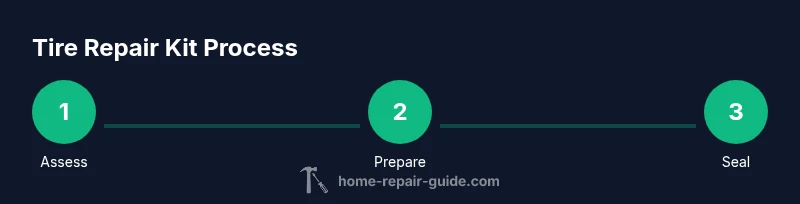
You can safely seal a punctured tubeless tire with a tire repair kit as a temporary fix to reach a workshop. Gather the kit, a tire gauge, a pump, and pliers, then follow the steps to remove the object, ream and seal the puncture, insert a plug, and inflate to the correct pressure. This is a temporary solution; drive cautiously and have the tire professionally repaired soon.
What a Tire Repair Kit Includes
A standard tire repair kit for tubeless tires typically contains the core components needed to perform a temporary seal on a puncture. You’ll usually find a plug insertion tool, a metal or plastic reamer to clean and widen the puncture, rubber plugs (of various sizes), and a small container of adhesive cement or vulcanizing solution. Many kits also include a tire pressure gauge and a compact inflator or CO2 inflator for quick reinflation. Some kits offer patch-plug options for a more robust temporary repair, while simpler kits rely solely on plugs. When buying, choose a kit with multiple plug sizes and a durable insertion tool. Check that the adhesive is compatible with your tire’s rubber compound, and read the brand’s instructions before use. Having a pair of gloves and a flashlight can make the process safer and easier, especially in low-light conditions. A basic, fully-stocked kit increases your odds of a successful, quick temporary repair when a flat happens unexpectedly.
Understanding when a tire repair kit is appropriate
Tire repair kits are designed for temporary fixes to get you to a safe location or a repair shop. They are not a substitute for a professional, permanent repair. Use the kit only if the puncture is in the tread area and the tire is otherwise structurally sound. Punctures in the sidewall or near the bead, tires with large cuts, or tires showing bulges require immediate professional attention. When you’re stranded, a repair kit can be a valuable tool to reduce downtime, but you should avoid driving long distances on a compromised tire. Always assess whether the tire can safely be driven to a service location and plan for a follow-up repair or replacement.
Safety First: When Not to Repair
Never attempt a temporary repair on tires with sidewall damage, large cuts, worn or cracked tread, or cords showing through the rubber. If the wheel is damaged, if the tire has been driven while flat, or if the puncture is irregular or oblique, stop and seek professional service. Work in a safe environment: pull over to a hard shoulder or a well-lit area, apply hazard lights, and keep bystanders away from traffic. Wear gloves to protect your hands, and dispose of damaged plugs or latex after use. If you’re unsure about the tire’s condition after a temporary fix, err on the side of caution and arrange a professional inspection as soon as possible.
Step-by-Step: Temporary Repair Process
Here is a practical, narrative guide to applying a tire plug kit. First, locate the puncture and ensure you’re in a safe position, with the Parking Brake engaged and the vehicle on a flat, stable surface. Take out the object if it remains embedded, but do not pull excessively to avoid enlarging the hole. Use the reamer to clean and widen the puncture hole, twisting gently until the opening feels smooth and uniform. Apply a thin coat of adhesive to the plug, thread the plug through the insertion tool, and insert it into the hole with a firm, even push. Cut off any excess plug flush with the tread. Inflate the tire to the recommended pressure and inspect the repair for leaks by applying soapy water to the area and watching for bubbles. Finally, test the wheel by a slow drive on a safe stretch of road before resuming normal travel.
Inspecting After Repair: Pressure, Seal, and Road Test
After completing the repair, verify tire pressure with a gauge and adjust to the manufacturer’s recommended PSI. Check the plugged area for air leaks by applying a soap solution and looking for bubbles. If no bubbles appear and the tire holds pressure, you can proceed to a short, low-speed test drive. Listen for hissing sounds and feel for changes in the tire’s feel while driving slowly. If you notice any continued leakage, or if the tire pressure drops quickly, pull over and reassess. Remember that a temporary fix won’t restore the tire to its original strength; plan a professional repair at the earliest opportunity.
Driving After a Temporary Repair: Limitations and Timeline
Temporary repairs are intended for short-term use only. Do not drive at high speeds or long distances on a repaired tire. Limit your speed to the vehicle’s safe range and avoid highways if possible. Seek a professional repair or replacement within the next 24–72 hours, depending on the puncture size, vehicle load, and tire condition. If you notice a rapid pressure drop, vibrations, or abnormal tire wear after the repair, stop and seek help immediately. Always follow the Tire and Road Safety guidelines from reputable sources and use your best judgment when deciding whether to continue driving.
Maintenance and Prevention: Flats happen, insights to reduce risk
To reduce the risk of roadside repairs, practice regular tire maintenance: keep tires properly inflated, rotate every 5,000–8,000 miles, and inspect for embedded objects during routine checks. Replace worn plugs and adhesives before they dry out. Store a well-maintained repair kit in an accessible location, and periodically test the inflator and gauge to ensure readiness. Inspect roads and driving routes for sharp objects like nails or screws, particularly after construction or winter months when debris is more common. A proactive approach to tire care minimizes the chances you’ll need a repair kit in a hurry.
Troubleshooting Common Issues with Tire Repair Kits
If the plug won’t hold or air leaks persist, ensure the hole is clean and properly sized for the plug. Reopen the puncture gently with the reamer and reapply cement if the kit includes adhesive; ensure you’ve seated the plug fully and cut it flush. Some patches or plugs can shrink after initial inflation, so recheck the pressure after a few minutes and re-inflate if necessary. If the tire still leaks, you may need to perform a second plug or patch, but avoid overfilling, which could cause a new failure. If you’re unsure, it’s safer to seek professional assistance.
When to Seek Professional Help and Alternatives
If the puncture is large, the tire is damaged near the sidewall, or the kit cannot stop the leak, stop driving and seek professional service. Do not attempt a repair that compromises the tire’s structure. In some cases, it’s safer to replace the tire rather than attempt a risky temporary fix. If you regularly drive in areas with road hazards, consider keeping extra tools, a spare tire, or a roadside assistance plan. For recurring flats, consult a tire professional about sealant products designed for your tire type.
Additional Practical Notes
- Keep the kit in a secure, accessible location in your vehicle, and check it periodically for wear or expired adhesive.
- Practice the repair steps in a safe, controlled environment so you’re prepared in an emergency.
- Always verify the repaired tire’s pressure and seal before resuming driving.
Tools & Materials
- Tire repair kit (plug kit with insertion tool, reamer, rubber plugs)(Choose a kit with multiple plug sizes and a sturdy insertion tool)
- Tire pressure gauge(Prefer a dial gauge; digital is acceptable)
- Portable air pump or CO2 inflator(Rated for the tire size you typically drive)
- Pliers or needle-nose pliers(For removing embedded objects safely)
- Gloves(Protect hands from sharp objects and pinch points)
- Soapy water spray bottle(Used to test for leaks after the repair)
Steps
Estimated time: 15-30 minutes
- 1
Assess safety and locate puncture
Move the vehicle to a safe, flat area away from traffic. Turn on hazard lights and engage the parking brake. Locate the puncture by inspecting the tread and remove any obvious debris.
Tip: If the vehicle is hard to control, pull over slowly and stop in a safe place before attempting anything. - 2
Remove object and prepare hole
If the object is still embedded, carefully remove it with pliers. Inspect the hole for size and shape; clean any debris from the puncture to ensure good plug adhesion.
Tip: Do not yank or twist aggressively; a controlled removal minimizes hole enlargement. - 3
Roughen hole and apply adhesive
Use the reamer to roughen the puncture’s edges and widen it slightly for a plug to grip. Apply a thin coat of adhesive if your kit includes cement; allow a brief set time per the product instructions.
Tip: A well-prepared hole improves plug seating and reduces leak risk. - 4
Insert the plug
Thread the plug through the insertion tool and insert it into the puncture with a steady push until only a small tail remains above the tread. Remove the tool quickly to leave the plug in place.
Tip: Ensure the plug seats fully and isn’t protruding; trimming flush helps avoid road debris catching it. - 5
Trim and inflate
Trim any excess plug flush with the tread. Inflate the tire to the vehicle’s recommended PSI using your gauge, then reseat on the wheel and check for even seating.
Tip: Take your time with inflation; sudden bursts can destabilize the plug. - 6
Test for leaks
Apply soapy water around the repaired area and watch for bubbles that indicate leakage. If leaks are present, consider a second plug or seek professional help.
Tip: If bubbles persist, do not drive long distances—seek a shop promptly. - 7
Road test and plan next steps
Take a short, slow test drive to feel for vibration or unusual behavior. If all looks good, plan a professional repair or replacement at the earliest opportunity.
Tip: Avoid high speeds and long trips until a proper repair is completed.
FAQ
Can I repair a puncture on the sidewall with a tire repair kit?
No. Sidewall punctures are not safe candidates for a temporary repair. They compromise tire integrity and should be inspected by a professional.
Sidewall punctures shouldn’t be repaired with a kit. Seek professional assessment to ensure safety.
How long can I drive on a temporary repair?
Temporary repairs are meant to get you to a shop. Limit speed and distance and plan a professional repair as soon as possible.
Drive slowly to a repair shop and get the tire professionally fixed or replaced.
Will a plug repair fix a nail puncture?
A plug can seal some nail punctures in the tread, but if the nail is long or the hole is irregular, a professional patch may be needed.
Plugs can fix some nail punctures, but not all. A shop may need to patch or replace the tire.
Should I remove the nail before patching?
Yes, if the nail is still present, carefully remove it to inspect the hole and ensure a proper seal, but proceed with caution.
If the nail is still there, remove it cautiously to inspect the puncture before repairing.
Can I use a tire repair kit on tubed tires?
Most plug-style kits are designed for tubeless tires. For tubed tires, follow the tire manufacturer’s guidance; many tubed tires require different repair methods.
Plug kits are for tubeless tires; check your tire type before using.
What should I do if the leak persists after a repair?
If the leak persists after a repair, stop driving and seek professional service. Recheck the tire condition and consider replacement if needed.
If the leak keeps leaking, don’t drive on it; get professional help.
Watch Video
Key Takeaways
- Use a tire repair kit only for temporary fixes.
- Assess damage before attempting a repair.
- Follow safety steps to prevent injury.
- Test the seal before driving further.
- Schedule a professional repair as soon as possible.