Tyre repair near me: practical safety guide for punctures and leaks
Discover practical steps for tyre repair near me, when repairs are viable, how to choose a trusted local service, and tips to stay safe on the road.


Tyre repair near me is often a safe, cost-effective option for punctures and slow leaks, provided you choose a reputable, properly equipped service. For minor punctures on the tread, many shops can repair instead of replacing, saving time and extending tyre life. Always assess safety, repair viability, and warranty coverage before proceeding.
Why tyre repair near me matters
Punctures and slow leaks are common car troubles that can disrupt travel plans and compromise safety. Locating tyre repair near me is often the quickest way to restore grip and reduce the risk of a blowout, especially when you’re on a busy street or far from home. The decision to repair versus replace depends on the damage type, tyre age, and driving conditions. The Home Repair Guide Team notes that many minor punctures in the tread can be repaired safely, saving time and cost compared with a full tyre replacement. However, safety must come first: damaged sidewalls, large punctures, or tyres older than six years usually require replacement. When you search for a repair, look for shops that can assess tread depth, repair viability, and warranty options, and ensure technicians use approved patches and proper procedures. For drivers in a hurry, many mobile tyre repair services can visit your location, further enhancing the practicality of choosing a local repair shop. Remember that the best outcome comes from choosing a reputable provider who follows industry standards and complies with local regulations.
When a tyre repair is possible and safe
Not every puncture is repairable. The tyre must be in the tread area, avoid the sidewall, and the damage should be a puncture rather than a cut or bulge. A visual inspection plus a pressure test helps determine if the puncture is within the repairable zone. The typical repair method is a plug-and-patch combination applied from the inside or outside, depending on shop policy and tyre design. It's important to request a patch on the inner liner in addition to a welted patch for a durable seal. The tyre’s age and wear level influence the decision: older tyres may not hold a repair as well as newer ones, and worn tread reduces the safety margin. Expect the technician to check wheel alignment and TPMS readings, and to confirm that the repaired area isn’t near the bead. If the damage is beyond repair or near the sidewall, replacement is the safer option. The key is a clear, transparent assessment from a qualified technician.
Signs you should not repair and when to replace
Even with a puncture, there are clear red lines that push you toward replacement. If the damage is on the sidewall, if the puncture is larger than a certain size, or if the tyre shows bulges, cuts, or embedded objects that can't be removed safely, repair becomes risky. Age is another factor: tyres over a certain age are weaker and may fail during repair or on the road. Replacements may also be necessary if the tyre has been repaired multiple times or if there’s damage to the bead or rim area. In addition to safety, consider driving conditions and usage pattern; heavy loads, high speeds, or frequent highway driving reduce the margin for error after a repair. In all cases, request written confirmation from the technician about what was repaired and any limitations on the tyre's future use. This careful approach protects you, your passengers, and your wallet.
How to choose a reputable tyre repair service
Selecting a tyre repair service requires checking credentials, repair methods, and warranty terms. Look for shops that employ trained technicians, use approved patch-and-plug techniques, and balance tyres after repair. Ask about the patch type (inner patch plus outer patch in most cases) and whether a warranty covers the repaired area. Read customer reviews and confirm the shop adheres to local regulations and industry standards. Transparency on price, repair scope, and potential limitations helps you avoid surprises later. The Home Repair Guide Team recommends prioritizing safety, thorough assessments, and evidence of final testing (pressure test and wheel balance) before leaving the shop.
The repair process step-by-step
A typical tyre repair begins with a road-side assessment (if needed) followed by a controlled inspection at the shop. The technician checks tread depth, puncture size, and location, then decides if repair is viable. If repair is approved, a plug-and-patch method is applied to seal the puncture, often reinforced by an inner patch and a balancing check. The wheel is reinstalled, pressure is verified, and the tyre is balanced to prevent vibrations. A final test ensures there’s no air loss and that the TPMS readings are normal. If the tyre cannot be repaired safely, the technician will advise replacement and show available options. Expect documentation of the repair, warranty details, and care instructions for the next few weeks.
Maintenance and prevention after repair
After a tyre repair, maintain proper tyre pressure according to manufacturer guidelines, check pressures weekly, and inspect for signs of wear or damage. Rotate tyres as recommended to even out wear, and monitor tread depth service life. Regular wheel alignments and balancing help extend tyre life and improve handling. Protect the repaired tyre from road hazards by avoiding potholes and curbs when possible, and consider replacing tyres that show excessive wear or age. Keeping a simple tyre maintenance routine can reduce the risk of sudden failures and improve overall vehicle safety.
Common post-repair road safety checks
Before driving away, perform quick checks: ensure even tread wear, confirm that the repaired area shows no signs of deflation, and verify that TPMS indicators are stable. If there’s any doubt about the repair quality or tyre integrity, ask for an immediate re-check or consider a secondary opinion. Trustworthy tyre repair near me services will invite you to review the work and answer questions about long-term care and replacement timing.
When to repair vs replace a tyre
| Option | Pros | Cons |
|---|---|---|
| Repair | Lower cost and quicker turnaround | Limited to tread punctures; not suitable for sidewall damage |
| Replacement | Universal reliability and safety | Higher cost and longer downtime |
| Hybrid approach | Balance of cost and safety | Not always offered by every shop |
FAQ
Is tyre repair near me safe for all punctures?
Not all punctures are repairable. In general, tread-area punctures and minor damage can be repaired if the tyre isn’t worn or structurally compromised. Sidewall damage or large punctures typically require replacement for safety. Always get a professional assessment before deciding.
Not all punctures can be repaired. A pro will assess the tread area and tyre condition to decide if repair is safe.
How long does tyre repair typically take?
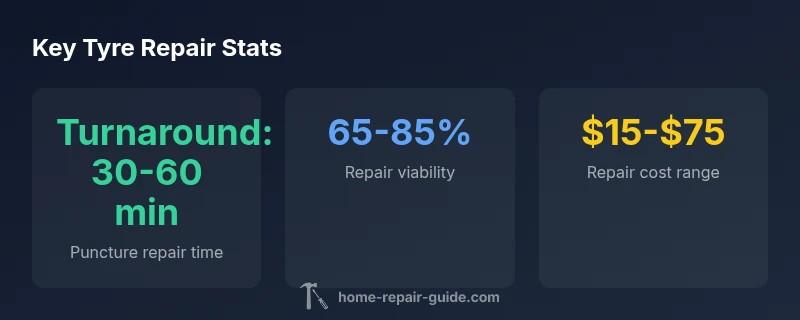
Typical puncture repairs take about 30 to 60 minutes at a shop, depending on tyre condition and service traffic. Mobile repair options can reduce wait time by arriving at your location where possible.
Most repairs take about half an hour to an hour, depending on the tyre and service load.
Can all punctures be repaired, or are some always replacements?
Only punctures in the tread that are not large or near the bead are commonly repairable. Sidewall damage, multiple repairs, or aging tyres often require replacement for safety.
Most minor tread punctures can be repaired, but sidewall damage usually means replacement.
What factors affect the cost of tyre repair?
Cost varies by region, tyre type, and shop policy. Typical ranges reflect the patch process, patch quality, and any balancing or alignment checks performed after repair.
Costs depend on location and the repair method used; bigger tyres or premium patches may cost more.
Should I replace the tyre after repair?
Replacement may be advisable if the tyre is old, heavily worn, or the puncture is not repairable. If repaired, ensure the tyre remains within safe tread depth and has a valid warranty and proper balancing.
If the tyre is old or heavily worn, replacement is usually safer after a puncture.
“Repairing a punctured tyre can be a prudent choice when done correctly; always rely on qualified technicians and certified patches.”
Key Takeaways
- Prioritize safety by assessing damage type before repair
- Choose a reputable tyre repair near me
- Verify patch quality and warranty terms
- Monitor pressure and tread after repair
- Know when replacement is safer than repair