Garage Door Repair in San Antonio TX: A Practical Guide
A practical, step-by-step guide for garage door repair in San Antonio TX. Safe DIY tips, common fixes, and advice on when to hire a pro from Home Repair Guide.


This guide helps homeowners perform safe, practical garage door repairs in San Antonio, TX, understanding when to DIY and when to hire a pro. You’ll learn essential diagnostic steps, tool checks, and how to address common issues like broken springs, misaligned tracks, and faulty openers with confidence.
Local context for garage door repair in san antonio tx
Across San Antonio, climate and urban living influence how garage doors wear and fail. Hot summers, occasional storms, and humidity can affect lubricants, seals, and metal components. According to Home Repair Guide, tailoring fixes to local conditions improves durability and safety when performing garage door repair in san antonio tx. Homeowners should prioritize corrosion resistance, proper weather sealing, and regular lubrication to extend life. The goal is a door that stays quiet, moves smoothly, and closes securely, even after intense Texas weather.
Common issues seen in San Antonio homes
Many garages in the area contend with noisy rollers, worn tracks, and sagging doors due to heavy use and temperature swings. Torsion springs wear is a frequent failure point, especially in doors with metal or wood torsion systems. Misaligned tracks can cause binding and uneven wear on rollers. In addition, sensors and openers can drift out of calibration after a storm or power interruption. Practically, you’ll notice slow opening, a door that stops short, or a door that reverses unexpectedly. Regular inspection helps catch these problems early and reduces costly, emergency repairs.
Safety and licensing considerations
Safety should guide every repair project. Working with high-tension springs is hazardous; never attempt spring adjustments without proper training and tools. In Texas, basic garage door maintenance activities don’t require a professional license, but more complex repairs (like replacing torsion springs or primary transmission components) should be performed by a qualified technician. The Home Repair Guide team recommends evaluating risk, avoiding DIY springs work when uncertain, and using fall protection when working on elevated doors. If in doubt, contact a local, reputable technician familiar with San Antonio codes and weather considerations.
Tools and replacement parts you’ll need
Having the right tools reduces risk and speeds up repairs. Essential items include a sturdy ladder, safety glasses, work gloves, a drill/driver, a set of wrenches and sockets, pliers, and a flashlight. For springs, cables, and rollers, ensure you have the correct sizes and compatible replacement parts. Lubricants designed for garage doors and a torque wrench can help achieve smooth operation and precise adjustments. Keep spare fasteners, brackets, and weather seals on hand for minor replacements that often accompany misalignment or weatherproofing needs.
Diagnostic approach to identify root causes
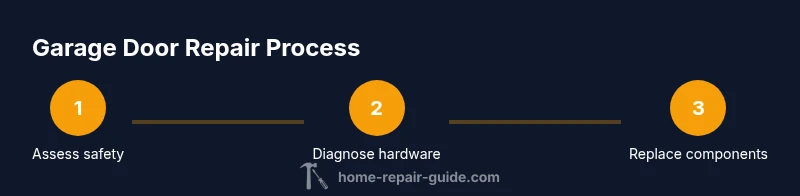
Start with a controlled inspection to distinguish opener issues from door hardware problems. Unplug the automatic opener and test the door manually to check balance and effort. Inspect tracks for dents, loose bolts, and obstructions. Review weather seals and insulation; a worn seal can cause draft and wear on metal components. Verify safety sensors align and respond to the beam with a simple test. Record all symptoms to guide parts replacement decisions and ensure you follow safety-first practices throughout.
Replacing or repairing common components
Common fix scenarios include replacing worn rollers, realigning tracks, lubricating moving parts, and replacing weather seals. Springs and cables require precise tension and secure anchoring. When replacing components, choose parts rated for your door weight and spring type. After installing each part, recheck door balance, close distance, and sensor alignment to confirm proper operation. Use manufacturer instructions and Home Repair Guide guidance to avoid missteps that can escalate maintenance costs or create safety risks.
DIY maintenance for longevity and reliability
Regular maintenance—every 6 to 12 months depending on use—can prevent many problems. Lubricate rollers, hinges, and tracks, tighten mounting bolts, inspect balance, and test safety features. Clean tracks to remove dirt and debris that impede smooth motion. Consider upgrading weather seals if drafts or moisture are detected. Proactive care reduces the likelihood of sudden failures and keeps your San Antonio home safer and more secure.
tip1
This section emphasizes local context and safety considerations to guide responsible repair decisions.
Tools & Materials
- Drill/driver(Cordless preferred; use with correct bits for hinges/fasteners)
- Wrench set (adjustable and socket sets)(Include metric and SAE sizes for versatility)
- Pliers (needle-nose and linesman)(Useful for gripping cables and components)
- Winding bars(Only for springs; never attempt without bars staying in line with springs)
- Ladder(Stable, non-slip; tall enough for safe access to door hardware)
- Safety glasses(Protect eyes from flying debris and spring tension)
- Work gloves(Grip and protection during handling and torsion work)
- Flashlight/headlamp(Illumination in tracks and corners)
- Replacement parts (as needed)(Torsion springs, cables, rollers, weather seals (specific parts chosen after diagnosis))
- Lubricant for doors (silicone-based)(Apply to hinges, rollers, and tracks; avoid lubricants on pulleys if not recommended by manufacturer)
Steps
Estimated time: 60-120 minutes
- 1
Secure and assess safety
Unplug the opener and prop the door with a sturdy support. Inspect the work area for hazards and ensure you have a partner or a second set of hands if possible. This initial safety check reduces the risk of accidental movement during the repair.
Tip: Always work with a partner when dealing with spring components. - 2
Test manual operation
Manually lift the door halfway and release to gauge balance. A door that drops quickly or feels heavy indicates improper balance or worn springs. Document the resistance level and proceed only if you are confident in safe handling.
Tip: If the door settles or bounces, stop and reassess before continuing. - 3
Inspect tracks and hardware
Check for bent tracks, loose screws, or debris. Realign tracks gently and tighten mounting hardware to restore straight, smooth operation. Misaligned tracks are a common source of noise and misfunction.
Tip: Ensure tracks are parallel and properly seated in brackets. - 4
Check safety sensors and opener
Disconnect and reconnect the opener to reset electronics. Test sensors by crossing the beam or placing a small object to trigger reversal. If still misbehaving, inspect the opener’s limits and force settings and adjust per manufacturer guidance.
Tip: Avoid bypassing safety features; they protect people and pets. - 5
Evaluate springs and cables
If you suspect broken springs or frayed cables, do not attempt DIY replacement unless you have the correct tools and training. Springs store extreme energy and can cause serious injury.
Tip: Do not attempt spring work without winding bars and proper safety steps. - 6
Replace components with proper parts
Install replacement rollers, weather seals, or tracks as needed. Ensure correct size and weight rating for your door. Follow torque specs and anchor points from the manufacturer.
Tip: Double-check part compatibility before seating components. - 7
Lubricate and test
Apply silicone-based lubricant to moving parts; avoid over-lubrication on belts or pulleys. Reconnect power, test door function, check balance, and confirm safety features operate correctly.
Tip: Run several cycles to confirm consistent performance.
FAQ
What are the warning signs that a torsion spring may fail?
Warning signs include the door feeling heavy, imbalance during balance tests, unusual noises like grinding, and gaps in the spring area. Do not attempt repairs yourself if you notice these signs.
Watch for heaviness, unusual noises, or gaps near the spring area; these indicate potential spring failure and require professional inspection.
Do I need a permit for garage door repair in San Antonio?
Most basic maintenance does not require a permit, but significant repairs, especially involving springs or electrical work, may require inspection or permits. Check with local building authorities or a licensed professional.
Most basic fixes don’t need a permit, but major repairs might. When in doubt, contact your local building department.
Can I safely repair a garage door spring by myself?
Spring repair is hazardous and generally not recommended for DIY unless you are trained and equipped with the correct bars and safety procedures. Seek a professional for spring work.
Spring repair can be dangerous; it’s best to leave it to a trained technician.
How long should a garage door opener last?
Openers typically last many years, but lifespan varies with usage, model, and maintenance. Regular lubrication and sensor checks help extend life.
With proper care, a garage door opener lasts several years, but it varies with use and upkeep.
How often should I lubricate moving parts of the door?
Lubricate moving parts every 6-12 months or as needed if you notice stiffness or noise. Use silicone-based lubricant and avoid over-application.
Lubricate every 6 to 12 months, or when you notice stiffness or noise.
What should I do if the door reverses automatically but won’t close?
Check safety sensors for alignment, clean any dirt on the photo-eye, and test the door with the opener. If the issue persists, consult a professional.
If the door reverses, inspect sensors and alignment, then test again. If it still won’t close, get a pro involved.
Watch Video
Key Takeaways
- Know local San Antonio climate factors that affect garage doors
- Differentiate between opener problems and hardware issues
- Prioritize safety when dealing with springs and high-tension components
- Use the right parts matched to your door’s weight and spring type
- Regular maintenance extends door life and reduces costly repairs