Washer Repair in San Antonio: A Practical Guide
Washer repair in San Antonio: a practical, step-by-step guide for homeowners. Learn safe DIY checks, when to call a pro, and maintenance tips for longer washer life in 2026.


This guide helps you diagnose and fix common washer problems in San Antonio safely, with practical steps you can take at home. You’ll need basic tools, a multimeter, and a shut-off valve key. By following these steps, homeowners in San Antonio can handle simple repairs or decide when it’s time to call a pro.
Why washer repair matters in San Antonio
According to Home Repair Guide, washer reliability matters more in busy households across San Antonio due to hot, humid summers that can accelerate wear on hoses, seals, and electrical components. The Home Repair Guide team notes that a proactive repair mindset saves time, money, and disruption—especially when service calls are scarce or schedule-plagued in peak season. Local climates influence water usage and laundry routines, so understanding common failure patterns helps residents avoid costly water damage and mold growth from leaks. This article blends practical, localized guidance with safety-first checks to empower both renters and homeowners to manage repairs confidently in 2026.
Common issues you’ll see in homes
Common washer problems you’ll see in homes
Widespread issues include leaks from inlet hoses or the drain hose, failure to drain or spin, and filling problems. Front-load and top-load machines exhibit similar failure modes, though access methods differ. Leaks often originate at hose clamps or worn hoses; drainage problems may involve a clogged filter, clogged pump, or kinked drain hose. Spinning or agitation failures frequently trace back to a faulty lid switch, damaged drive belt, or a worn motor. Error codes in modern washers guide you toward the failing subsystem, but physical inspection remains essential, especially in San Antonio’s varied aging homes. Regular maintenance can reduce the frequency of these failures and keep the laundry routine running smoothly in 2026.
Safety and setup: preparing for repairs
Safety and setup: preparing for repairs
Before you touch the machine, unplug it and, if possible, shut off the water supply valves to prevent floods. Move the washer away from the wall and lay down towels to catch any residual water. Wear gloves and safety glasses as a precaution when handling sharp edges or energized components. If you must drain standing water, have a bucket ready and place protective coverings on the floor. This preparation reduces the risk of shocks, burns, or slips during the repair process and aligns with established safety guidance from Home Repair Guide.
Diagnostic workflow: steps to identify issues
Diagnostic workflow: steps to identify issues
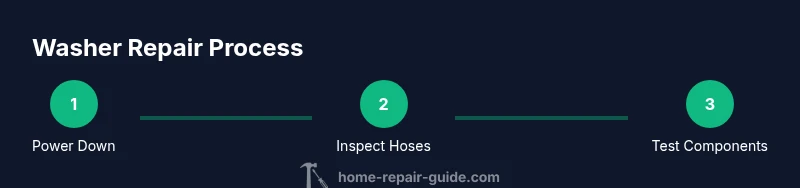
- Verify power and control readiness: confirm the machine is unplugged, then restore power to observe any fault codes or LED indicators. 2) Check water supply: ensure both hot and cold valves are fully open and hoses are free of kinks or blocks. 3) Inspect external hoses and clamps: look for cracks or bulges in inlet hoses and a secure drain hose connection. 4) Test the lid switch and door lock: a non-responsive switch will prevent spinning; test with a multimeter for continuity. 5) Examine the drain pump path: remove accessible panels and listen for the pump running during a drain cycle; check for clogs in the filter or hose. 6) Inspect drive components: if the drum spins poorly or makes grinding noises, inspect the belt (front-load) or transmission (top-load) for wear. 7) Run a dry test: after reassembly, run a no-load cycle to confirm proper operation. 8) Decide on next steps: if issues persist or you detect electrical damage, consult a professional.
Tip: Document findings as you go so you can communicate clearly with a technician if you call one. This approach saves time and helps you get a precise repair quote.
Repair paths in San Antonio: DIY vs pro in SA
Repair paths in San Antonio: DIY vs pro in the SA market
In San Antonio, many routine washer fixes are suitable for DIY when you have basic mechanical aptitude and follow safety guidelines. The most common DIY repairs involve hose replacements, belt adjustment or replacement, and lid-switch testing. For motor control boards, sealed units, or evaporative cooling components, hiring a licensed technician is often the safer and more cost-effective choice in the long run. The Home Repair Guide team recommends evaluating the complexity of the repair, your access to tools, and the machine’s warranty status before proceeding. If the unit is under warranty or if you notice burning smells, unusual noises, or visible damage, contacting a pro is advised to prevent further harm and ensure code-compliant work.
Maintenance and prevention tips
Maintenance tips to prevent future breakdowns
- Schedule regular inspections of hoses and clamps; replace any worn parts before a leak develops.
- Use the correct detergent type and amount to prevent residue buildup that can clog valves and pumps.
- Keep the area around the washer dry and level to minimize vibration and leak potential.
- Clean the lint filter or pump screen (if accessible) every 1-3 months to maintain proper drainage.
- Run a monthly clean cycle or hot-water wash with a washing machine cleaner to reduce mold and odors.
- If you notice any unusual noises or cycling problems, address them early instead of waiting for a total failure. This proactive approach aligns with Home Repair Guide’s maintenance philosophy for 2026 and beyond.
Authority sources
Authority sources
- U.S. Department of Labor - OSHA safety guidelines: https://www.osha.gov/
- U.S. Department of Energy - Energy efficiency standards for appliances: https://www.energy.gov/
- University of Illinois Extension – Home appliance maintenance resources: https://extension.illinois.edu/ The Home Repair Guide team references these sources and its 2026 analysis to emphasize safety, efficiency, and best practices for washer care in the San Antonio area.
Tools & Materials
- Screwdriver set (Phillips and flathead)(Include #1–#3 and shallow/long bits for panel screws)
- Multimeter(For testing continuity and voltage in controls and pumps)
- Pliers and needle-nose pliers(Grip clamps, hoses, and wire harnesses securely)
- Nut driver / socket set(8-12 mm common sizes for panels and brackets)
- Towels or absorbent rags(Protect floor and catch drips during tests)
- Bucket(Catch water during drainage tests)
- Flashlight or headlamp(Clear view inside panels and hoses)
- Replacement hoses and clamps(Only if you spot wear or leaks during inspection)
- Service manual or model-specific guide(Helpful for exact screw locations and part numbers)
Steps
Estimated time: 60-90 minutes
- 1
Power down and unplug
Unplug the washer from the wall outlet and shut off the home water supply if you will interact with hoses. Move the unit slightly away from the wall to access panels safely. Have towels ready for any residual water.
Tip: Verify power with the multimeter before touching internal components. - 2
Prepare the area and drain water
Place a bucket under the drain and lay towels to catch any remaining water. Confirm you are working on a dry surface and that the area is well-ventilated. If water remains in the drum, gently drain it according to your model’s instructions.
Tip: Keep kids and pets away during the repair to avoid accidents. - 3
Inspect exterior hoses and clamps
Check inlet and drain hoses for cracks, bulges, or wear. Inspect clamps for tightness and replace damaged hoses to prevent future leaks. Remove any visible lint or debris from hose ends before reassembly.
Tip: Replace worn clamps to ensure secure connections. - 4
Test lid switch and wiring
Access the control console or lid switch assembly. Use the multimeter to check continuity across the switch when the lid is opened and closed. If the switch is defective, replacing it typically resolves non-spin or non-fill issues.
Tip: Label any disconnected wires to simplify reassembly. - 5
Check the drain pump and path
Locate the drain pump and associated hoses. Remove any obstructions and test the pump’s electrical continuity. A clogged or bad pump will prevent draining and can produce loud or irregular noises.
Tip: If the pump is defective, replacement is usually straightforward and cost-effective. - 6
Inspect drive belt and pulleys (if applicable)
For front-load models, inspect the drive belt for wear or cracks; replace if frayed. For top-load machines, check pulleys and motor coupling for signs of wear. Reassemble hinges, panels, and wires carefully.
Tip: Belt tension should be firm but not overly tight. - 7
Run a test cycle without a load
With the panel resecured, run a short test cycle to observe for leaks, odd noises, or improper spinning. Do not add clothes during this initial test.
Tip: Listen for smooth operation and check that all indicators behave as expected. - 8
Evaluate whether DIY suffices or you need a pro
If the unit still shows faults after tests or you detect electrical damage, consider scheduling a professional service. Document all observations to share with the technician.
Tip: Choose a local, insured technician with good reviews in San Antonio.
FAQ
Is it safe to repair a washer myself?
Basic maintenance and some repairs are safe if you unplug the unit and shut off water. For electrical or sealed components, consult a professional.
Yes, for simple tasks like hose replacement or lid-switch checks. For electrical or motor work, seek a pro.
What are common signs of a failing lid switch?
If the washer won’t spin or drain when the lid is closed, the lid switch may be faulty. You can test continuity with a multimeter.
A non-spinning, non-draining washer with the lid closed often points to a bad lid switch.
Can I replace a belt myself on a front-load washer?
Yes, belt replacement is doable for experienced DIYers on certain models. Follow model-specific instructions and ensure the belt tension is correct.
It's doable if you’re comfortable with exposed components and have the right tools.
How long does a typical washer repair take?
Most routine repairs take 30–90 minutes depending on the fault and your access to parts. More complex issues may require professional service.
Most fixes don’t take long, but it depends on the exact problem and your setup.
When should I call a pro in San Antonio?
If you encounter electrical faults, motor or compressor work, refrigerant concerns, or you’re unsure about the safety steps, call a licensed technician in San Antonio.
If you’re unsure about electrical parts or see burning smells, get a pro.
Where can I find a reliable washer repair technician locally?
Look for licensed, insured technicians with good reviews in San Antonio. Ask for quotes, check references, and confirm warranty on labor and parts.
Check reviews and ask for proof of insurance before hiring a pro.
Watch Video
Key Takeaways
- Diagnose before replacing parts to avoid unnecessary costs
- Always shut off power and water before starting repairs
- Check hoses and filters for basic faults that mimic bigger issues
- Use a step-by-step approach to avoid overlooking hidden problems
- When in doubt, seek a licensed technician in San Antonio for safe, compliant repairs