Appliance Repair in San Diego: A Practical How-To Guide
Learn how to diagnose and address common appliance issues in San Diego homes. This step-by-step guide from Home Repair Guide covers safety, DIY fixes, choosing local pros, and cost considerations for appliance repair in San Diego.


This guide helps homeowners diagnose common appliance issues in San Diego and decide when to DIY versus hire a professional. You will learn safety steps, essential tools, and how to evaluate local technicians. By following these steps, you can minimize downtime and protect your appliances. This quick answer is designed for Google snippets and sets expectations for the full article.
Why appliance repair in San Diego matters
San Diego homeowners rely on a wide range of appliances year-round, from refrigerators that handle spare-stocked groceries to air conditioners that keep interiors cool during heat waves. In this climate, small faults can escalate quickly, leading to higher energy use and inconvenient downtime. According to Home Repair Guide, prioritizing timely, professional, or well-informed DIY repairs can reduce energy waste, extend appliance life, and protect family safety. This is especially true for units that are frequently used or operate in harsh weather conditions. When you approach appliance repair in San Diego, you should balance speed, cost, and safety. Quick fixes may save money in the short term, but a cautious diagnostic won’t create hazardous conditions or violate warranty terms. Keep in mind that San Diego’s housing stock ranges from older homes with outdated wiring to modern, energy-efficient apartments—variations that affect repair strategies and required equipment. The goal is to restore performance while maintaining energy efficiency and reducing the chance of recurring problems. Home Repair Guide analysis shows that using licensed technicians for complex repairs tends to result in more reliable outcomes and fewer callbacks.
Key considerations when selecting a local appliance repair technician in San Diego
Choosing the right person for appliance repair in San Diego means looking beyond the first available technician. You want someone who is properly licensed, insured, and trained for the specific appliance you own. The Home Repair Guide team found that technicians who carry parts warranties and provide clear upfront quotes tend to deliver fewer callbacks and better long-term results. Ask about technician certifications, travel fees, and whether they handle both major repairs and routine maintenance. Read recent customer reviews, verify local references, and confirm that the technician will provide a written estimate before any work begins. For gas-fed or refrigerant-related repairs, insist on licensed professionals who follow local safety codes and environmental guidelines. Building codes and energy standards differ across Southern California, so a local specialist has the advantage of familiarity with regional needs.
Climate-related challenges for common appliances in Southern California
The Southern California climate places unique demands on household appliances. Prolonged heat can strain cooling systems, cause compressors to run longer, and accelerate wear on seals and condensers. Dust and dry air increase filter clogs in HVAC units and ventilation hoods, potentially reducing efficiency. Refrigerators and freezers must maintain tight temperature tolerances in hot weather, otherwise food safety and energy bills suffer. Washing machines and dryers endure higher humidity and dust from outdoor living spaces, which can affect belts and bearings. Regular maintenance—like cleaning coils, replacing worn door seals, and inspecting hoses—becomes critical in this environment. A proactive approach, guided by Home Repair Guide, helps homeowners stay ahead of issues and minimize costly emergency repairs.
Common appliance repair scenarios in a typical home
Here are frequent situations homeowners encounter in San Diego: a fridge that won’t cool, an oven that won’t heat, a dishwasher that leaks, a washer that won’t spin, a dryer that won’t tumble, or an AC unit that blows warm air. Each scenario has different root causes (thermostats, heating elements, clogged filters, failed capacitors, dirty coils, or faulty wiring) and requires a tailored diagnostic path. Start with a safe, systematic check: power, settings, and basic indicators, then progress to more detailed tests. The majority of routine repairs can be resolved with common replacement parts and careful troubleshooting. If you’re unsure, consult a qualified technician and reference model-specific service guides.
DIY vs. professional repair: risks and rewards
DIY repairs can save money and boost confidence for simple maintenance, like replacing a worn door seal or cleaning a dryer vent. However, complex issues—especially those involving high voltage, refrigerants, gas lines, or sealed systems—pose safety risks and can void warranties. The Home Repair Guide analysis shows that professional repairs offer safer practices, proper refrigerant handling, and longer-lasting solutions due to correct diagnosis and part compatibility. Weigh your skill level, the appliance’s age, warranty status, and potential safety hazards before deciding.
Safety first: essential precautions before you start
Always unplug a unit before opening access panels. If water is involved, turn off the relevant shutoff valve and avoid contact with wet surfaces. Use protective gear such as gloves and safety glasses when handling sharp edges or hot components. Keep a clear workspace and work in a dry area away from children or pets. If you smell burning insulation, see smoke, or hear buzzing, stop immediately and disconnect power. For gas appliances, never attempt repairs beyond basic maintenance—call a licensed professional for gas safety.
Maintenance strategies to extend appliance life in a dry climate
Preventive maintenance is your best defense in a hot, dry region. Clean condenser coils on refrigerators and AC units, replace or clean filters regularly, inspect door seals for leaks, and ensure proper ventilation around the appliance. Schedule annual tune-ups for major systems and address any unusual noises, vibrations, or temperature inconsistencies promptly. A small upfront maintenance visit can prevent major breakdowns and keep energy bills in check, aligning with the goals of energy efficiency and long-term reliability.
Budgeting and cost considerations for appliance repair in San Diego
Repair costs depend on the appliance type, the fault, parts needed, and labor. Typical situations may range from a few hundred dollars for minor fixes to a few thousand for complicated or out-of-warranty repairs. In San Diego, you should expect some variation due to travel fees, parts availability, and seasonal demand. Seek multiple quotes, ask about the warranty on repairs, and consider whether replacement may be more economical in the long run. A cautious, informed approach helps you balance immediate costs with future performance.
What to expect from a professional service in San Diego
When you hire a local appliance repair professional, expect a structured diagnostic, transparent pricing, and written recommendations. A reputable technician will perform safety checks, explain components, and provide a parts list with expected timelines. They should test the repaired unit and confirm that it meets performance standards. The Home Repair Guide team recommends checking for proper licensing, insurance, and written guarantees, along with a clear plan for preventive maintenance after the repair.
Tools & Materials
- Safety gear (gloves, goggles)(Protect hands and eyes during disassembly and testing.)
- Multimeter or voltage tester(Check outlets and control circuits safely.)
- Screwdrivers set (Phillips & flat-head)(Access panels and fasteners.)
- Nut drivers and wrenches(Handle clamps and fittings.)
- Electrical tape and zip ties(Secure and label wires after testing.)
- User manual or model service guide(Model-specific troubleshooting steps.)
Steps
Estimated time: Total time: 90-150 minutes
- 1
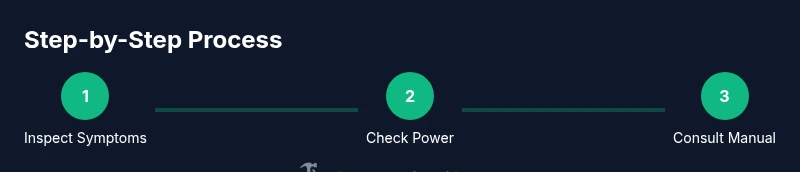
Power down and unplug the appliance
Begin by turning off the unit at the control panel and then unplugging from the wall outlet. This eliminates the risk of electric shock while you inspect internal components. If the appliance is hard-wired, switch off the dedicated circuit breaker. Confirm there is no residual power before touching any internal parts.
Tip: Always double-check that the unit is fully de-energized before handling interior parts. - 2
Check power supply and circuit integrity
Inspect the outlet or power cord for damage. Test the outlet with a known good device to confirm voltage delivery. If the circuit breaker trips or the outlet is dead, there may be a wiring fault or an overload condition that requires professional attention.
Tip: If the outlet shows scorch marks or a burning smell, stop immediately and call a licensed electrician. - 3
Refer to the user manual for model-specific steps
Open the service or user manual for the exact troubleshooting flow. Many appliances have model-specific codes or error indicators that guide you toward a fault. This step helps you avoid guessing and preserves warranty terms where applicable.
Tip: Take a photo of any error code displays for later reference by a technician. - 4
Inspect visible connections and components
With power safe and panels opened, visually inspect for loose wires, burnt connectors, or obvious signs of wear. Gently reseat any loose connectors and check for damaged hoses or belts. Do not force components that appear seized or stuck.
Tip: Label wires before disconnecting them to simplify reassembly. - 5
Test basic functionality with safe methods
If appropriate for the appliance, perform a non-invasive test (e.g., short power cycle or button combination) to observe behavior without removing major parts. Record any abnormal responses or noise. Avoid using diagnostic tools on live circuits unless you are trained.
Tip: Document symptoms with time stamps to help a professional diagnose faster. - 6
Assess whether the fault is repairable or requires replacement
Evaluate if the issue is a simple wear item (like a door seal) or a more complex failure (such as a motor or compressor). For refrigerants or sealed systems, or if major components are damaged, plan for professional service. Consider cost-effectiveness when deciding between repair and replacement.
Tip: If in doubt, obtain a professional diagnostic before purchasing parts. - 7
Decide to call a professional when safety is involved
When electrical, gas, refrigerant, or structural repair is needed, or if the appliance is under warranty, rely on a licensed pro. A professional can perform a thorough diagnostic, parts replacement, and safety test to ensure compliance with local codes.
Tip: Ask for a written estimate and a warranty on parts and labor before work begins. - 8
Plan preventive maintenance after the repair
Create a simple maintenance plan to prevent recurrence. Schedule regular cleaning, filter changes, belt inspections, and coil checks. A proactive routine helps sustain efficiency and reduces the likelihood of future breakdowns.
Tip: Set calendar reminders for routine maintenance to maintain appliance health.
FAQ
What qualifies as appliance repair in San Diego and how do I start?
Appliance repair includes diagnosing and fixing common home appliances like refrigerators, washers, dryers, ovens, and dishwashers. For complex systems or refrigerants, hire a licensed technician. Start with safety, reference the model manual, and gather error codes.
Appliance repair covers diagnosing and fixing common home appliances. For complex systems, hire a licensed technician.
Should I DIY or hire a professional for repairs?
DIY is suitable for simple maintenance, like replacing a door seal or cleaning filters. For safety-critical components, gas lines, or refrigerants, hire a professional to avoid hazards and warranty issues.
DIY for simple tasks; hire a professional for safety-critical repairs.
How long does appliance repair typically take in San Diego?
Repair duration depends on the fault and parts availability. Simple fixes may take a few hours, while more complex repairs could require a few days for parts and scheduling.
It varies, from a few hours to a few days depending on the issue and parts.
What should I ask a repair company before hiring?
Ask about licensing and insurance, warranty on parts and labor, upfront estimates, and whether they service your make/model. Also inquire about response times and whether they provide written diagnostics.
Ask about license, warranty, upfront estimates, and written diagnostics.
What factors affect the cost of appliance repair in San Diego?
Costs depend on the appliance type, fault complexity, parts, and labor charges. Travel fees and urgency can also influence the final bill. Get multiple quotes when possible.
Cost depends on appliance, fault, parts, and labor; get several quotes.
How can I prevent future breakdowns after a repair?
Follow a simple maintenance routine: clean coils and filters, inspect seals, replace worn hoses, and schedule annual checkups. Keeping the unit clean and well-lubricated extends life and efficiency.
Maintain routine cleaning and inspections to prevent future issues.
Watch Video
Key Takeaways
- Diagnose safely before disassembly.
- Hire licensed professionals for gas, refrigerants, or high-voltage work.
- Document symptoms and preserve warranty terms.
- Regular maintenance helps prevent major outages.