What Can Fix My Credit: A Practical Credit Repair Guide
Discover practical steps to fix what can fix my credit, from disputing errors and reducing debt to building positive history. This Home Repair Guide tutorial helps homeowners and renters take control of their finances.


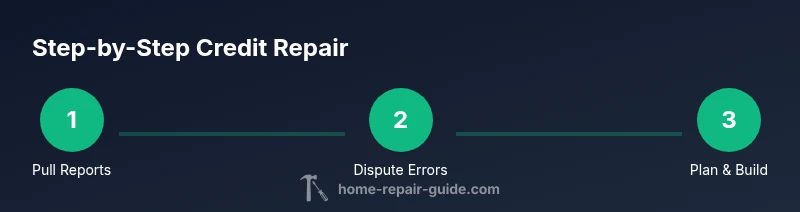
You can fix what can fix my credit by following a plan: pull all three reports for errors, pay on time, cut balances, and avoid new hard inquiries. According to Home Repair Guide, credit repair is a steady, step-by-step process that improves financial health over time. It also helps to set milestones and use safe building tools when available.
Understanding how credit works
Your credit score is a snapshot of how you use credit and manage debt. Lenders use it to gauge risk. The main factors are payment history, amounts owed, length of history, new credit, and credit mix. A healthy score opens doors to lower interest and better terms. The good news is that credit health isn't fixed forever; it improves with deliberate actions. This article explores what can fix my credit with practical steps homeowners and renters can take. According to Home Repair Guide, treating credit like a small, ongoing home project helps you stay consistent. Start by pulling your reports from all three bureaus to understand what is reported about you. Review them for errors, outdated entries, and unknown accounts. Mistakes can drag your score down; correcting them can produce a quick uplift. Then look at your utilization (the ratio of your current balances to their limits). High utilization can keep your score suppressed, while bringing it down gradually shows positive progress. Finally, plan for a longer-term rebuild: on-time payments, responsible new credit, and a healthier mix of accounts can contribute to a stable score over time.
What Actions Truly Move the Needle
Broadly, the actions that move scores are reliable and consistent behavior, not quick gimmicks. Start with errors: disputing inaccuracies is often the fastest way to lift a score. Next, ensure every bill is paid on time—missed payments have a long-lasting impact. Reduce revolving balances to improve utilization, and avoid opening many new accounts at once. Consider building credit with a secured card or a small credit-builder loan. All along, keep your expectations realistic: improvements take time. The Home Repair Guide team emphasizes patience and steady progress, much like a durable home repair project.
The Role of Payment History and Utilization
Payment history is the foundation of your score. Consistently paying on time and keeping balances low signals reliability to lenders. Utilization—the amount you owe versus your limits—should be managed carefully; high balances relative to limits can cap growth. As you repair credit, aim to bring balances down and maintain low utilization across all cards. If you have several cards, focus on reducing the highest-interest debts first while keeping accounts open and active. The goal is to demonstrate responsible usage while rebuilding trust with lenders.
Disputing Errors on Your Credit Report
To fix errors, start by obtaining official copies from AnnualCreditReport.com and each bureau. Identify items that are inaccurate, outdated, or unfamiliar, and gather evidence such as statements or correspondence. File disputes with the appropriate bureau, attaching supporting documentation. Track each dispute's reference number and follow up if you don't hear back within 30 days. If a correction is made, monitor your reports to confirm the update across all three agencies. This process may take a few cycles to reflect fully.
Building Positive Credit Over Time
Credit repair isn't just about fixing mistakes—it's also about building healthy habits. Consider a secured card or credit-builder loan to establish positive history. Use credit sparingly, make on-time payments, and avoid closing old accounts that still have good standing. If you add an authorized user to a trusted family member's account, you can benefit from their positive history as well. Regularly review your progress and adjust strategies as your score improves. The emphasis is on steady, responsible use rather than quick, risky moves.
Practical monthly steps you can take now
This month, pull your reports and note any errors for disputes. Set up automatic payments to avoid late fees and keep utilization low by paying down balances after purchases. Create a small, predictable plan: one chapter of a budget, one creditor to contact, and one document to file. As you progress, celebrate small milestones—each correction or payment on time is a building block for long-term credit health.
Common Myths About Credit Repair Debunked
Many people believe that credit repair is impossible or that it requires a quick fix. In reality, meaningful improvement comes from consistent behavior, not magic. Others think closing old accounts helps, which can actually shorten your credit history and raise utilization. Finally, beware of “free” credit repair services that promise fast results; these scams cost time and money. A solid plan—backed by accurate reporting and careful management—delivers real, lasting improvements.
Tools & Materials
- Access to AnnualCreditReport.com(Obtain free reports from each bureau)
- Device with internet access(For reviewing reports and submitting disputes)
- Notebook or digital note-taking app(Track dates, balances, and disputes)
- Recent bank and bill statements(Verify payment history and balances)
- Copies of supporting documents(Evidence for disputes (statements, letters))
Steps
Estimated time: 3-6 months
- 1
Pull your credit reports
Access reports from Experian, Equifax, and TransUnion. Review each entry for accuracy, outdated information, and unfamiliar accounts. Record items to dispute with evidence when possible.
Tip: Request all three reports and compare line-by-line; look for mismatched personal data as well as account status. - 2
Identify and dispute errors
Mark inaccurate items and gather supporting documents. File disputes with each bureau through their online portals or mail, and monitor for responses.
Tip: Keep dispute IDs and check updates regularly; errors can take 30 days to resolve. - 3
Create a payment plan
List all current debts and minimum payments. Prioritize on-time payments and allocate extra funds to high-impact accounts first.
Tip: Set up automated payments to avoid late charges and protect progress. - 4
Reduce credit utilization
Pay down balances and avoid new charges that spike utilization. If possible, request a credit limit increase on accounts with good history, but avoid triggering new hard inquiries.
Tip: Aim for total utilization under 30% across cards. - 5
Build positive credit
Consider a secured card or credit-builder loan to rebuild trust with lenders. Use the new credit sparingly and pay in full each cycle.
Tip: Keep accounts active and avoid closing older, positive-standing cards.
FAQ
Can my credit score be fixed quickly?
Credit repair is usually a gradual process. Some errors can be corrected quickly, but meaningful improvements typically take several months of consistent habits.
You can fix some errors fast, but real score improvements take months of steady work.
What is the first step to fix credit?
The first step is to pull reports from all three bureaus and identify any inaccuracies. Gather documentation and begin disputes for any errors found.
First, check your reports and start disputes for errors.
Do disputes always work?
Disputes can remove incorrect items but won't erase legitimate negative history. Use disputes to fix errors, then focus on responsible credit usage to rebuild.
Disputes help with errors, but not with real history.
How long does it take to see results?
Initial improvements may appear in a few months after implementing a plan, with larger gains often showing up over 6 to 12 months.
Expect months to see meaningful results.
Is bankruptcy ever a solution?
Bankruptcy is a serious, last-resort option with long-term consequences. Explore alternatives and consult a financial professional before deciding.
Bankruptcy resets things, but it's a serious step with lasting effects.
Does closing old accounts help?
Closing old accounts can hurt your credit history and raise utilization. If accounts are in good standing, keeping them open often helps long-term scores.
Usually better to keep healthy, old accounts open.
Watch Video
Key Takeaways
- Review all three credit reports for errors.
- Pay bills on time to rebuild payment history.
- Keep credit utilization low for better growth.
- Dispute inaccuracies and track progress.
- Build positive history with careful, small moves.