Credit Report Repair Service: How It Works in 2026
Discover how credit report repair services work, what to expect, typical cost ranges, and how to spot scams. A practical step-by-step guide to navigate credit repair safely for homeowners and renters.


According to Home Repair Guide, a credit report repair service helps consumers identify and dispute inaccuracies on credit reports, negotiate with creditors, and monitor progress. Before hiring, verify credentials, understand fees, and manage expectations based on bureau timelines and information accuracy. This quick overview outlines what to expect and how to choose a reputable provider.
What a credit report repair service does
A credit report repair service focuses on identifying errors and inconsistencies on your credit reports and guiding you through the dispute process. They typically take a systematic look at data from all three major bureaus, compare it with your records, and prepare dispute letters tailored to each item. In many cases, services will also help you organize supporting documents, track responses from the bureaus, and monitor changes over time. The goal is to correct information that is inaccurate or outdated, not to erase legitimate debt. A reputable provider explains what is feasible, timelines for bureau investigations, and the kinds of outcomes you can reasonably expect. The exact results depend on the accuracy of the information in your file, the cooperativeness of creditors, and the bureaus’ internal processes. If you are considering a service, this is where due diligence matters most: verify credentials, ask for sample dispute letters, and set clear milestones for reviewing progress. According to Home Repair Guide, clear documentation and ongoing communication improve chances of a successful outcome.
How to evaluate providers
Choosing a credit report repair service requires careful comparison. Start by verifying credentials and reading independent reviews. Ask for a written contract that outlines all fees, including any upfront charges, monthly plans, or add-ons. Be wary of promises to remove all negative items or guarantee perfect results. Reputable firms provide transparent pricing, a clear scope of work, and a fair dispute plan. Request sample dispute letters and a description of their process for handling bureaus and creditors. Check for privacy practices and data security measures to protect your personal information. Look at consumer feedback from multiple sources, and don’t hesitate to contact the provider with questions. Home Repair Guide analysis shows that reputable providers disclose fee structures, offer written estimates, and avoid exaggerated claims about guaranteed deletions. If in doubt, compare two or three options to identify what sets each apart and how they communicate.
The legal framework and what to expect
Under federal law, consumers have rights when reporting errors on credit records. The Fair Credit Reporting Act requires bureaus to investigate disputed items and correct inaccuracies where warranted. A repair service should help you assemble the right documentation and file disputes correctly, but it cannot remove legitimate debts. Expect the bureau to conduct a verification or reinvestigation, which may involve contacting creditors and reviewing account statements. You may receive notices from the bureaus detailing the results or asking for additional information. If an item is corrected or removed, you should see an updated score and improved credit standing over time. Be cautious of providers who imply that legal loopholes will erase information or guarantee specific outcomes. Instead, look for transparency about what is likely and what remains unpredictable depending on the facts of your file and the bureaus’ processes.
The typical process from start to finish
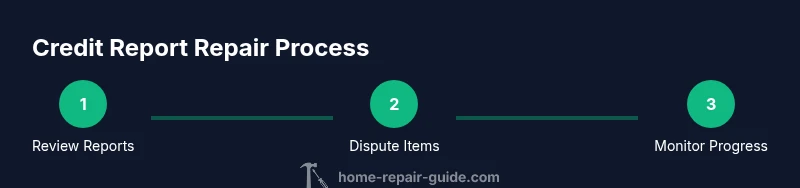
Begin with a thorough review of your reports from all three bureaus. Gather supporting documents such as statements, letters from creditors, and copies of ID. File disputes using the bureaus' online portals or certified mail, and attach your evidence. Track each dispute's status, respond to any requests for more information, and document responses from creditors. After disputes are submitted, monitor for updates and verify quarterly scores if you track them. If you work with a service, they will coordinate letters, provide status updates, and file follow-ups on your behalf. Throughout this process, maintain copies of all correspondence and set milestones to reassess progress every 30–60 days. Timelines vary by case and bureau, so stay proactive and informed.
Costs, risks, and scams to avoid
Prices for credit report repair services vary widely, depending on the provider and scope of work. Some charge flat fees, while others offer monthly plans or activity-based pricing. Expect to pay for an initial consultation, ongoing monitoring, and dispute handling. Read the contract carefully and beware of upfront charges that aren’t tied to actual work. Look out for red flags such as guaranteed deletions, promises to remove legitimate debts, or providers who require you to sign over rights to your records. To protect yourself, avoid sharing your full Social Security number or password outside secure channels, and use secure document uploads. A reliable firm will provide written estimates and a clear service outline, with no hidden fees.
DIY alternatives and when to hire a service
Small errors, such as misspelled names or incorrect addresses, can often be corrected by filing disputes yourself through the three credit bureaus. If you notice a pattern of errors across multiple items or if the process feels overwhelming, a credit report repair service may help, especially when there are signs of identity theft, fraud, or complex disputes. Evaluate whether you need hands-on help with strategy, documentation, or correspondence. For some people, a DIY approach saves money and time, while others benefit from professional oversight to ensure that disputes are thorough and properly submitted. The choice depends on your time, your comfort with documentation, and the complexity of the errors.
Tools for ongoing credit health
Beyond fixing errors, maintain healthy credit by paying bills on time, keeping credit utilization low, and monitoring reports periodically. Enroll in a free or paid monitoring service to alert you to new activity. Regularly review your accounts for unfamiliar entries and dispute anything you did not authorize. Building a stable credit profile takes time, but consistency yields the best long-term results.
Next steps and setting expectations
Now that you know how these services work, map out a personalized plan. Decide whether to pursue self-disputes or hire a trusted provider, set a budget, and create a 90-day review schedule to evaluate progress. Remember that results depend on the accuracy of data and bureau processes, not on marketing claims. The Home Repair Guide team recommends starting with self-checks and only escalating when necessary, so you stay in control of your financial future.
Tools & Materials
- Copy of current credit reports from all three bureaus(Obtained from annualcreditreport.com or each bureau's site)
- Personal identification (driver's license or passport)(For identity verification when submitting disputes)
- Documentation of disputes or errors (letters, statements)(Include supporting evidence like statements or creditor letters)
- Dispute letters templates or dispute workbook(Useful but optional for organization)
- Notebook or digital note-taking app(Track submissions and responses)
Steps
Estimated time: 1-4 hours for initial setup; ongoing monitoring over weeks to months
- 1
Gather essential documents
Collect your current credit reports from all three bureaus and your proof of identity. Assemble supporting documents such as statements, creditor letters, and any correspondence related to errors. Create a file or folder for each disputed item to keep everything organized.
Tip: Label items by bureau and issue to avoid cross-mixing disputes. - 2
Review reports for accuracy
Read each report carefully, flag any incorrect names, addresses, accounts, dates, or balances. Note patterns (e.g., repeated inquiries) that may indicate identity theft or data processing errors. Create a simple map of items you want disputed.
Tip: Focus on items that affect your credit score the most (late payments, collections, and public records). - 3
Decide on DIY vs professional help
Evaluate your time, comfort with dispute letters, and the complexity of errors. If there are multiple errors across bureaus or signs of potential fraud, consider professional assistance. Set clear criteria for when you’ll escalate to a service.
Tip: If you choose DIY, you control the process from start to finish. - 4
Prepare dispute letters
Draft concise, itemized dispute letters for each erroneous entry. Attach evidence such as payment records, statements, or account notes. Ensure you reference the exact item and include your contact information.
Tip: Use the bureaus’ official dispute portals when possible for faster processing. - 5
Submit disputes to bureaus (and creditors if needed)
Submit your disputes with attached evidence via the bureau portals or certified mail. Keep a receipt and timestamp for each submission. If the creditor has provided a correct update, include that information in subsequent disputes.
Tip: Ask for confirmation of receipt and a reference number for tracking. - 6
Monitor progress and follow up
Regularly check the status of each dispute. Respond promptly to bureau requests for additional information. When items are updated or removed, verify the changes on all reports and adjust any dependent financial plans accordingly.
Tip: Document every update and maintain copies of all communications.
FAQ
Can a credit report repair service guarantee deletions of accurate items?
No. Reputable services cannot guarantee the removal of accurate information. They can help present evidence and file disputes, but outcomes depend on the bureau's investigation and the accuracy of your data.
No, they cannot guarantee deletions; disputes depend on the facts and bureau review.
What should I look for in a contract before signing?
Look for a clear scope of work, fee structure, refund policy, timelines, and a commitment to provide written dispute letters. Beware of upfront lump sums without visible milestones.
Check the scope, fees, milestones, and refund terms before you sign.
Are credit reporting errors common?
Yes, errors happen due to data mismatches, identity changes, or creditor reporting delays. Regular monitoring helps catch and correct these issues faster.
Errors are fairly common; monitoring helps catch them early.
How long do disputes take with credit bureaus?
Disputes can take several weeks to be resolved, depending on the item and bureau workload. Patience and timely responses to bureau requests help speed things up.
Disputes can take weeks; timely responses help speed up the process.
Can I repair my credit without a service?
Absolutely. You can audit your reports, dispute errors, negotiate with creditors, and monitor your progress yourself. A service is helpful for complex cases or limited time.
You can do it yourself, especially for simple cases; services help with complexity.
Watch Video
Key Takeaways
- Take ownership: know what a credit report repair service can and can't do.
- Vet providers for credentials and transparent pricing.
- Expect disputes to be investigated by bureaus with variable timelines.
- Monitor progress and stay engaged to ensure results.