How to Repair Your Credit Score: A Practical Guide
Learn actionable, homeowner-focused steps to repair your credit score. Pull reports, dispute errors, lower balances, automate payments, and build a solid payment history with guidance from Home Repair Guide.


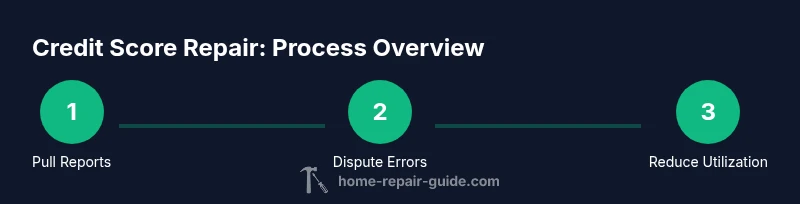
Goal: Improve your credit score to unlock better loan terms for mortgages, renovations, and emergency financing. Start by pulling all three credit reports, disputing inaccuracies, and paying down high‑balance accounts while keeping current on every bill. The Home Repair Guide team emphasizes consistency, transparency, and a documented plan as the most reliable path to sustainable improvement.
Why a Healthy Credit Score Matters for Homeowners
A solid credit score expands your borrowing options for homes, renovations, and other large projects. According to Home Repair Guide, a healthy score can help you qualify for mortgages with lower interest rates and more favorable terms, which translates into meaningful long‑term savings. Beyond mortgages, your credit health can influence insurance premiums, rental applications, and even the credit lines lenders extend for contractors or home improvements.
Understanding how lenders view credit helps you plan repairs strategically, not just quickly. The most reliable improvements come from consistent habits that demonstrate reliability: on‑time payments, controlled debt, and regular reviews of your financial picture. If you’re a homeowner, the payoff isn’t just a higher score—it’s greater confidence funding the repairs and upgrades your home needs over time.
The Core Factors Driving Your Credit Score
Credit scoring models weigh five main areas: payment history, amounts owed (utilization), length of credit history, new credit inquiries, and credit mix. Payment history is the largest factor, so consistently paying on time matters more than anything else. Utilization, or how much you owe relative to your limits, can noticeably move your score, especially when balances spike. The length of credit history rewards longevity and stable accounts. New inquiries signal risk and can depress your score temporarily. Finally, having a healthy mix of credit types can help, but only if you manage them responsibly.
The practical takeaway: target high‑impact actions first—on‑time payments and utilization—then gradually build a longer track record that reflects steady financial behavior.
Common Myths About Credit Repair
There are several myths that can mislead homeowners who want to repair credit quickly. In reality, you cannot remove accurate information just by disputing it; only errors or outdated items are eligible for removal, and even then the process takes time. Closing old accounts can sometimes shorten the length of credit history, which may lower your score, so avoid reflexive closures. Paying off collections can help, but removal is not guaranteed and depends on the account and reporting rules. The best approach is to focus on verifiable improvements and avoid schemes promising instant miracles.
A Practical Action Plan You Can Start This Month
Start with a concrete month‑by‑month plan: pull your reports, flag inaccuracies, and prepare dispute notes. Dispute any errors with the bureaus and creditors, attaching supporting documents. Simultaneously, reduce overall utilization by paying down balances and avoiding new, large charges. Set up automatic payments to ensure on‑time payments and resist opening new accounts while you repair. If you have a thin file, consider a secured card or a small credit builder loan to establish positive history. Finally, monitor progress monthly and adjust your plan if scores stall or new derogatories appear. This plan emphasizes steady progress over quick, unreliable fixes, which Home Repair Guide consistently advises.
How to Monitor Progress and Avoid Pitfalls
Credit scores move slowly, so expect gradual changes after disputes are resolved and payments are reflected on reports. Use free or paid credit monitoring to track score changes and new inquiries. Avoid co‑signing or allowing family members to apply for new credit in your name, as this can reflect on your file. Create and stick to a budget, with reminders for payment due dates. If you notice unexpected changes, review the details promptly to catch errors or signs of identity fraud early. A disciplined routine matters just as much as any single action, especially for homeowners managing larger repairs.
When to Seek Professional Help and What to Expect
If disputes become complex or you’re unsure about which items to challenge, consider consulting a qualified financial advisor or credit counselor. A reputable counselor can help you organize a repayment plan, review your budget, and guide you toward legitimate credit‑building strategies. Be cautious of services that promise rapid removals for a fee; those schemes are often scams. Start with free resources from government and nonprofit sources, and only seek paid help if you truly need specialized guidance to navigate difficult situations.
Tools & Materials
- Three full credit reports (from Experian, Equifax, and TransUnion)(Access via AnnualCreditReport.com or your lender’s portal)
- Personal identifying information (ID, address, social security basics)(Use government-issued ID when submitting disputes)
- Dispute templates or letters(Tailor letters with account numbers and dates)
- Notepad or digital tracker(Record dispute dates, responses, and changes)
- Budgeting tool or spreadsheet(Helps plan debt repayment and monitor utilization)
- Credit utilization calculator(Estimate how paying down balances affects score)
- Secured credit card or credit-builder loan (optional)(Use to establish or rebuild positive history if needed)
Steps
Estimated time: 3-6 months
- 1
Gather documents and pull reports
Collect all three credit reports and your recent statements. Note any accounts you do not recognize and confirm personal details are correct. This prepares you for accurate disputes and targeted improvements.
Tip: Label each report with access dates and keep copies of everything. - 2
Review reports for accuracy
Carefully scan each report for errors like misspelled names, wrong addresses, duplicate accounts, or incorrect balances. Mark every discrepancy you find and collect supporting documents.
Tip: Use a red pen or highlighter to flag errors and create a master list of items to dispute. - 3
Dispute inaccuracies with bureaus and creditors
Submit disputes with clear explanations and copies of receipts or statements. Follow up to ensure investigations are started and completed within typical timelines.
Tip: Keep a copy of every dispute and note the investigation reference numbers. - 4
Reduce balances to improve utilization
Aim to lower overall credit utilization by paying down balances, starting with high‑balance cards. A lower utilization can produce quicker score rises than closing accounts.
Tip: Target under 30% utilization overall; for best impact, aim for under 10% on individual cards if possible. - 5
Automate on‑time payments
Set up autopay for all bills to ensure you never miss a due date. Timely payments are the largest factor in your score and compound with other positive actions.
Tip: If autopay isn’t possible for some accounts, create calendar reminders synced to your budget. - 6
Build positive history (thin file or new credit)
If your file is thin, consider a secured card or a small credit-builder loan to establish a positive, verifiable history. Use it responsibly and pay in full each cycle.
Tip: Keep limits modest to manage utilization while you grow your track record. - 7
Avoid new debt and hard inquiries
Limit new credit applications while repairing. Each hard inquiry can temporarily lower your score and signal risk to lenders.
Tip: If you must apply for credit, space out applications by several months. - 8
Track progress and adjust your plan
Review changes monthly, compare against your goals, and adjust strategies if results stall. Stay consistent with the plan rather than chasing quick wins.
Tip: Record milestones and celebrate small improvements to stay motivated.
FAQ
How long does it typically take to repair a credit score?
Results vary by individual, but many homeowners see gradual improvement over several months with consistent actions. Disputes and payment history updates determine the pace, not a single magic fix.
Results vary, but expect improvements over months with steady actions like paying on time and reducing balances.
Can I fix errors on my credit report by myself?
Yes. You can file disputes with the bureaus and creditors, attach documentation, and track responses. It takes time, but DIY corrections are often effective for clear errors.
Yes, you can dispute items yourself and follow up for results; it takes time but can work.
Should I pay off collections before disputing?
Paying collections can help, but removal depends on the account and reporting rules. In some cases, you may negotiate for pay-for-delete, but this is not guaranteed and not universal.
Paying can help over time, but removal isn’t guaranteed; consider your specific situation.
Is using a credit repair company worth it?
Most homeowners don’t need paid credit repair services. You can often achieve results through DIY disputes, responsible credit usage, and budgeting. Be cautious of scams and always verify legitimacy.
Usually not necessary; be cautious of scams, and use reputable, free resources first.
Will adding positive lines hurt my score due to age?
A new credit line can slightly lower average age but can boost score if used properly and reported over time. Balance the benefit of a fresh line against potential short‑term aging effects.
New credit can affect age, but it may help your score later if managed well.
What’s the best utilization target?
Aim to keep overall utilization under 30%, and if possible, under 10% on individual cards for optimal impact. Regular payments and timely statements support this.
Keep balances low relative to limits; lower is better for your score.
Watch Video
Key Takeaways
- Pull reports and flag errors promptly
- Dispute inaccuracies with evidence
- Lower overall utilization before adding new debt
- Automate payments to ensure consistency
- Monitor progress and adjust as needed