How to Repair My Credit: A Practical Step-by-Step Guide
Learn how to repair your credit with a practical, step-by-step plan. Review reports, dispute errors, lower balances, and build a stronger score responsibly.


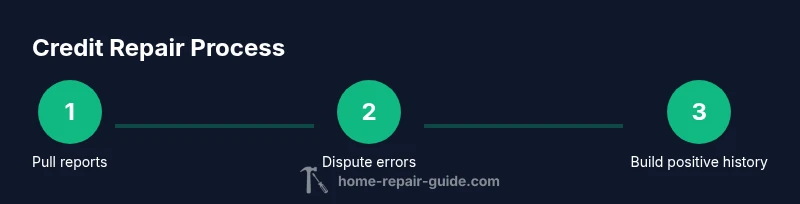
To repair your credit, start by pulling your free credit reports, then review for errors, and file disputes where needed. Focus on paying down revolving debt, keeping balances low, and making on-time payments. Over 6–12 months, these steps can reduce negative marks and build positive history, unlocking better loan terms and lower rates.
What credit repair really means
Credit repair is not a quick fix; it’s a deliberate, ongoing process of correcting inaccuracies, reducing risk factors, and building a reliable payment history. According to Home Repair Guide, effective credit repair starts with three core actions: ensure your reports are accurate, reduce the debt load that drags your score down, and demonstrate consistent responsible behavior over time. Your credit report summarizes how you borrow, repay, and manage risk, and it is the primary input lenders use to decide whether to extend credit and on what terms. The three major bureaus—Experian, Equifax, and TransUnion—collect data from lenders and creditors; mistakes can occur at any stage. The repair process focuses on correcting factual mistakes (misspelled names, wrong addresses, outdated information), challenging outdated entries, and replacing bad habits with good ones. It’s realistic to expect gradual improvement rather than overnight changes. A steady plan—especially when paired with a smart budget—can yield lasting results.
Building credit also means safeguarding against new issues, like late payments caused by temporary financial strain or misapplied payments that show up as late even if you paid on time. A well-structured approach combines error correction with proactive debt management, empowering you to lower balances while continuing to pay on time. Home Repair Guide's team emphasizes the importance of documentation: save copies of all correspondence, request confirmations, and track every dispute. In short, repairing credit is a proactive, ongoing process that requires attention to detail, persistence, and a plan you can maintain over time.
Step 1: Pull and review your credit reports
Your first move is to pull a full set of reports from all three major credit bureaus. Start with AnnualCreditReport.com to obtain free copies of each report once per year. Once you have them, review every section carefully: personal information, account history, negative items, and public records. Look for inaccuracies such as misspelled names, wrong addresses, old employer information, duplicate entries, or accounts that aren’t yours. When you spot something suspicious, flag it, and gather any supporting documents, like payment receipts or account statements. This step is foundational: even small errors can suppress your score or trigger unnecessary disputes later. To stay organized, create a simple spreadsheet or notes document where you list items, what you suspect is wrong, the date you found it, and your intended next action. The Home Repair Guide team notes that reporting accuracy sets the ceiling for how much your credit can improve; you can’t repair what you don’t accurately report. In parallel, check your budget and cash flow to gauge how aggressively you can tackle outstanding balances while maintaining essential living expenses.
Step 2: Identify errors and gather supporting documentation
As you comb through the reports, separate items into two piles: confirmed errors and items that are accurate. For each potential error, collect supporting documentation—bank statements, payment confirmations, letters from collectors, and any relevant correspondence. For disputes, you’ll need clear explanations of why an item is incorrect and what you believe the correct information should be. When you finish reviewing, prepare a concise summary for each disputed item and include copies of evidence. Be mindful of time limits: bureaus have a window to investigate, typically up to 30 days after a dispute is filed. Keep your notes tidy and in a dedicated folder, whether digital or physical. A clean, well-documented case improves your chances of a favorable outcome and reduces back-and-forth. The goal of this step is not just to remove negatives; it’s to ensure your files reflect your true financial behavior.
Step 3: File disputes and correct information with the bureaus
File disputes with the specific bureau(s) showing the error, using the online portal or mail. Provide a short, factual explanation, attach supporting documents, and reference the item you’re contesting. If you dispute by mail, send copies (not originals) and use certified mail to confirm receipt. The bureaus typically have up to 30 days to investigate, with an additional two weeks if they need more information. While disputes are in progress, continue making payments on time and avoid adding new negative items. If a dispute results in correction, request that the lender or collection agency notify the bureau to update, which helps all three reports reflect the change. Some creditors will offer to remove the item entirely as part of a goodwill adjustment; it never hurts to ask, but accept any agreement in writing. This step requires patience and documentation, but it directly cleans up your active file that lenders see.
Step 4: Reduce debt and optimize utilization
Debt reduction has a direct, measurable impact on credit scores. Prioritize high-interest or high-balance accounts, and create a plan to bring balances down while keeping new charges to a minimum. A practical tactic is to target one or two accounts first, paying more than the minimum due to push your balance down faster. Simultaneously, monitor your credit utilization—the ratio of balances to limits on revolving accounts. Keeping utilization low signals responsible use of available credit, which can boost your score more than simply paying the minimum. If possible, request a credit line increase on accounts with a solid payment history; approval depends on income and existing relationship with the issuer. Avoid closing old accounts even after paying them down, as account age helps your score. Finally, consider a budget that aligns with your debt reduction goals and avoid new financing unless it’s essential for long-term reliability.
Step 5: Build positive credit history and diversify credit
As negatives are resolved, focus on building positive credit signals. Make all payments on time, automate recurring payments, and keep a small, steady balance if you have revolving credit. If you don’t have sufficient active credit, consider a secured credit card or a credit-builder loan from a credit union or bank. Use the card lightly and pay in full each month to demonstrate responsible behavior. Avoid applying for multiple new accounts in a short period, which can cause hard inquiries and lower your score temporarily. Over time, a mix of credit types (revolving and installment) managed responsibly can improve your score and resilience against future negative events. Remember, the goal is consistency: even modest, regular progress compounds into meaningful improvements.
Step 6: Protect, monitor, and adapt your plan
Credit monitoring helps you respond quickly to any new issues. Consider freezing your credit if you don’t anticipate applying for loans, and enable alerts with your monitoring service so you’re notified of changes. Schedule monthly check-ins to review reports, verify that disputes were resolved, and ensure that your plan remains aligned with your current finances. Guard against scams that promise fast results or demand upfront fees—these are common in the credit repair space. Maintain your documentation, keep a log of all communications, and adjust your strategy as your financial situation changes. The Home Repair Guide team recommends treating credit repair as a long-term project rather than a sprint; steady, thoughtful steps build resilience over time.
Common myths and pitfalls to avoid
A frequent misunderstanding is that credit repair can erase all negative marks quickly. In reality, many items remain on reports for years, even after resolutions. Another pitfall is hiring unverified credit repair services that demand upfront fees or promises guaranteed results. Relying on official channels and your own disciplined plan minimizes risk. Be cautious with credit repair promises that require you to stop paying creditors or to dispute every item aggressively; some disputes may be inaccurate but others reflect legitimate debt. Finally, avoid closing old accounts solely to improve your score, as age often matters as much as balance and payment history.
AUTHORITY SOURCES
Foundational guidance comes from government and major educational resources. The CFPB explains how credit scores are calculated, what consumers can do to protect themselves, and how to spot errors on reports. The FTC provides consumer protections, including warnings about credit repair scams and tips to verify offers before paying for services. The FDIC offers consumer resources that explain how debt, reporting, and credit interact with banking products. Relying on these sources helps ensure you base your repair plan on accurate, widely accepted information. For further reading, consult the published materials at these sites and use the processes described to manage disputes, monitor changes, and understand your rights as a borrower.
Tools & Materials
- AnnualCreditReport.com access (free)(Obtain free reports from Experian, Equifax, TransUnion once per year.)
- Copies of recent bills and statements(To verify balances and addresses.)
- Notebook or digital notes app(Track disputes, payments, and progress.)
- Dispute letters/templates (optional)(Use for mailed disputes; include supporting docs.)
- Budgeting tool or app(Plan payments and monitor utilization.)
- Secured credit card or credit-builder loan (optional)(If you have limited credit history.)
Steps
Estimated time: 6-12 months
- 1
Pull your credit reports
Access reports from all three major bureaus and verify your identity. Look for errors in personal information and account data. Organize findings and prepare to dispute any inaccuracies.
Tip: Use certified mail for disputes and keep copies of every document. - 2
Identify errors and collect evidence
Categorize items as errors or accurate, then gather statements, receipts, and letters to support disputes.
Tip: Create a simple ledger linking each item to its evidence. - 3
File disputes with the bureaus
Submit online or by mail with a concise explanation and evidence. Bureaus typically investigate within 30 days; follow up if needed.
Tip: Keep a calendar of dispute dates and responses. - 4
Address debts and high balances
Develop a plan to bring balances down and avoid new charges. Consider negotiating with creditors for favorable repayment terms.
Tip: Pay down the highest interest accounts first when possible. - 5
Build positive credit history
Make all payments on time, keep utilization low, and consider secured credit products if needed to establish history.
Tip: Automate payments to avoid late marks. - 6
Protect and monitor your progress
Enable alerts and monitor reports regularly. Watch for scams and new negative items, and adjust your plan as finances change.
Tip: Review progress monthly and celebrate small wins. - 7
Review authority resources
Consult CFPB, FTC, and FDIC guidance for rights, protections, and best practices to avoid scams.
Tip: Rely on official sources and your own plan for durability.
FAQ
What is the first step to repair my credit?
Start by pulling your credit reports from all three bureaus and reviewing them for errors. Gather supporting documents and set a plan to address debts and payment habits.
Begin by getting your reports from the major bureaus, check for mistakes, and prepare your plan to address debts and payments.
Will paying off a collection remove it from my report?
Paying a collection does not automatically erase it from your credit report. It may update the status and improve your standing over time, but the item can remain for years unless removed by the creditor or through a dispute.
Paying a collection doesn’t automatically delete it; it may update the status but can stay on your report for years.
How long does credit repair take?
There is no exact timeline. With consistent on-time payments and lower balances, you can see gradual improvements over months, depending on the severity of negative items and overall utilization.
Improvements happen gradually over months with steady habits.
Are credit repair services worth using?
In most cases, you can repair your credit using the steps above without paying for services. Be wary of scams and only use reputable resources if you choose to work with third parties.
Usually you can fix your credit yourself; be careful with scams and do your research if you hire help.
Should I close old accounts to improve my score?
Closing old accounts can shorten your credit history, which may lower your score. Keep them open if there are no annual fees and you can manage them responsibly.
Closing old accounts can hurt your score by reducing history; keep them open if possible.
Watch Video
Key Takeaways
- Review reports regularly to catch errors early
- Pay on time and keep balances low to build positive history
- Dispute inaccuracies promptly and keep documentation
- Progress builds over months with consistent habits