Does Repair Shop Charge? A Practical Guide to Fees
Learn how repair shops price services, including diagnostic fees, labor, and parts. Discover typical ranges, how to compare quotes, and tips to avoid surprises with written estimates.


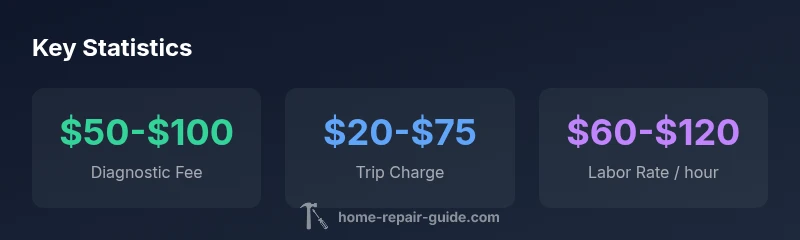
Most repair shops charge a diagnostic fee to assess the issue, plus hourly labor and the cost of parts. Diagnostic fees typically range from $50 to $100, travel/trip charges from $20 to $75, and labor rates from $60 to $120 per hour. Some shops waive the diagnostic fee if you proceed with the repair.
Does a Repair Shop Charge for Diagnostics and Why
According to Home Repair Guide, most repair shops charge a diagnostic fee to cover the time technicians spend testing, inspecting, and identifying the root cause of a problem. This fee helps cover wage rates, equipment use, and administrative overhead. It’s not a price you pay for the repair itself, but for the assessment that determines what will be required. In many cases, the diagnostic fee is itemized separately on the invoice, and some customers see it credited toward the final bill if they authorize the repair. Understanding this upfront can help you budget and compare options across multiple shops.
Diagnostic Fees and When They Apply
Diagnostic fees are most common when the issue isn’t easily diagnosed through a quick test or visual inspection. They apply whether you decide to repair the item locally at the shop or request in-home service. The cost varies by region, the technician’s expertise, and the complexity of the test. Some shops will offer a diagnostic only if you commit to proceeding with the repair, while others may provide a minor diagnostic that’s limited to basic testing. Always ask for a written estimate that clearly separates the diagnostic fee from labor and parts.
Labor, Parts, and Additional Charges
Labor costs cover the time technicians spend disassembling, testing, and reassembling components. Parts costs depend on the specific replacement needed, brand availability, and whether aftermarket or OEM parts are used. In many cases, parts are quoted separately and may include tax, disposal fees, or warranty considerations. Additional charges can include service calls, after-hours availability, and environmental disposal fees. When you receive an invoice, look for itemized entries so you can see exactly how much of the cost comes from labor versus parts.
How Location and Repair Type Impact Pricing
Pricing is often influenced by where you live. Larger cities or regions with higher living costs tend to have higher labor rates. Emergency or same-day service can command a premium, as can complex repairs that require specialized tools or technicians. The type of device or system also matters: appliance repairs, electrical work, or HVAC service may involve different diagnostic procedures and parts markets. Recognizing these factors helps you set realistic expectations and compare quotes more effectively.
Getting Accurate Quotes and Avoiding Surprises
To avoid sticker shock, request a written, itemized estimate before work begins. Ensure it lists the diagnostic fee, labor rate, estimated hours, costs for parts, and any applicable taxes or disposal charges. When you compare shops, consider the total cost of ownership rather than the lowest upfront price: longer warranties, better part quality, and clearer terms can save money over time. If a shop cannot provide a breakdown, seek another estimate from a reputable provider. Transparency is a key indicator of reliable pricing.
DIY Considerations and When to Seek Alternatives
Some homeowners opt to handle minor diagnostics or tasks themselves if safe and feasible. However, DIY work can void warranties or lead to more costly problems if done incorrectly. For critical systems, it’s often prudent to rely on qualified technicians who can provide a written assessment and a repair plan. If you’re price-sensitive, use the diagnostic phase as an opportunity to gather multiple quotes and negotiate terms before committing to a particular shop.
Typical charging components for appliance and home repairs
| Charge Type | Typical Range | Notes |
|---|---|---|
| Diagnostic Fee | $50-$100 | Non-refundable in many shops; may be credited if you repair with them |
| Trip Charge | $20-$75 | Distance-based; may be waived for local calls |
| Labor Rate | $60-$120 per hour | Varies by region and technician expertise |
| Parts | Varies widely | Quoted separately; may include core charges |
| Taxes/Fees | Varies by location | Applies to labor and parts where required |
FAQ
Do all repair shops charge for diagnostics?
Most shops charge a diagnostic fee to cover time spent assessing the issue. A few may offer a complimentary diagnostic if you proceed with the repair; others provide a separate, non-refundable diagnostic. Always confirm before any service begins.
Most shops charge a diagnostic fee, but some may waive it if you repair with them. Confirm the policy before service.
Can I get a written estimate before work begins?
Yes. Always request a written, itemized estimate that separates the diagnostic fee, labor, and parts, plus taxes and any disposal charges. This helps you compare quotes accurately and avoid hidden fees.
Yes—get a written, itemized estimate before any work starts.
Is the diagnostic fee refundable?
Refund policies vary by shop. Some will credit the diagnostic toward the repair, while others do not. Ask about refunds or credits when you request the quote.
Policies vary; some shops credit the diagnostic toward the repair.
How can I reduce repair costs?
Shop around for quotes, compare itemized estimates, negotiate where possible, and consider safer DIY steps for minor fixes. Remember that the cheapest option upfront isn’t always the most economical long-term.
Compare quotes and ask for itemized costs; consider safer DIY options for small tasks.
Are there legitimate ways to negotiate repair prices?
Yes. Ask about discounts, promotions, or price matching. Get multiple bids to strengthen your negotiating position and ensure a fair deal.
Ask for discounts and price matching; get multiple bids.
“Transparency in pricing helps homeowners make informed decisions about repair work.”
Key Takeaways
- Expect a diagnostic fee before repairs
- Compare labor and parts costs across shops
- Ask for written, itemized estimates
- Check if diagnostics are waived when you proceed with repairs
- Budget for additional charges like trip fees and taxes