Window AC Repair Guide: Step-by-Step Home Fixes
Learn practical, DIY-friendly window AC repair steps, safety tips, and cost considerations. This guide covers diagnostics, maintenance, and when to call a pro for reliable home cooling.


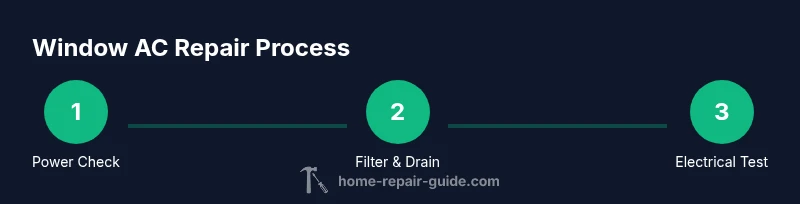
With this guide, you will diagnose and repair common window AC problems yourself. Start by confirming power, cleaning the filter, and inspecting the coils and drainage. If the unit still won’t cool, safety-first checks include testing the capacitor or fan motor and securing electrical connections. For refrigerant leaks, contact a licensed pro.
Understanding window AC repair scope
Window air conditioners (window AC units) are compact cooling systems that often require a mix of mechanical, electrical, and routine maintenance work. When people say they want to repair a window AC, they usually mean addressing common symptoms such as poor cooling, unusual noises, or water leakage. This guide focuses on practical, DIY-friendly tasks that homeowners can perform safely—like cleaning filters, clearing condensate, and checking simple electrical components—while clearly distinguishing tasks that require licensed professionals, such as refrigerant handling or compressor issues. By understanding the repair scope, you’ll know which fixes you can do yourself and when to escalate to a pro. Home Repair Guide’s approach emphasizes safety, efficiency, and durable results that minimize future call-outs.
Safety first: electrical and chemical hazards
Safety is non-negotiable with window AC repair. Always unplug the unit from the wall outlet before inspecting any internal parts. If your model is hardwired or located in a damp area, shut off power at the service panel to avoid shock hazards. Wear safety goggles and gloves when handling sharp metal fins or cleaning chemicals. Never attempt repairs on a unit that has a visibly damaged power cord, burnt smells, or refrigerant signs. If you suspect a refrigerant leak or a failed compressor, stop and contact a licensed HVAC technician. This protects you, your home, and the occupants from potential hazards and costly mistakes.
Diagnosing common issues without disassembly
Many problems are solvable with non-invasive checks. Start by inspecting the exterior grille to ensure there’s unobstructed airflow. Clean or replace the air filter every 30–90 days depending on use and occupancy to restore airflow and efficiency. Check the condensate drain pan and hose; a clogged drain can trigger overflow and water damage. Listen for unusual noises—buzzing can indicate a loose fan, while rattling might point to a loose mounting bolt or debris in the blower wheel. For cooling problems, verify the thermostat setting, confirm the unit is in cool mode, and ensure the room isn’t over or under-pressurized. If basic symptoms persist after these checks, move to more involved diagnostics or professional service.
Maintenance: cleaning, sealing, and airflow optimization
Preventive care keeps window ACs efficient and extends life. Regularly clean the exterior and interior grills to remove dust and grime. Use a mild detergent solution to wipe the cabinet—avoid harsh solvents that could damage plastic components. Re-seal any gaps around the window with weatherstripping to prevent warm air backflow, which makes the unit work harder. For window seal, ensure the unit is properly seated and secured with screws or brackets to minimize vibration. Coils should be free of grime; if they’re coated with dust and grease, consider a coil cleaner specifically designed for electronics, following the product instructions. Proper maintenance reduces electricity use, improves cooling, and lowers the risk of component failure.
When to DIY vs hiring a professional
Simple maintenance and fixes such as filter replacement, coil cleaning, and drainage clearing are excellent DIY tasks. However, if you notice refrigerant signs, oil slicks around the compressor, frozen evaporator coils with no airflow, or you’re unsure about electrical safety, it’s time to call a licensed HVAC technician. Window AC repair sometimes involves high-voltage components or sealed refrigerant systems that require training and calibration. Homeowners should also seek professional help if the unit is under warranty to avoid voiding it. The goal is great cooling, safety, and long-term reliability, not risky improvisation.
Authority sources
For further reading and verification, consult authoritative resources:
- https://www.energy.gov/energysaver/air-conditioning
- https://www.epa.gov/iaq
- https://www.osha.gov
Tools & Materials
- Screwdrivers (Phillips and flathead)(Use the appropriate size for the screws on your unit's access panel)
- Multimeter(For testing voltage and basic electrical components)
- Vacuum or soft brush(Clear dust from coils and filters without bending fins)
- Fin comb(Straighten bent condenser fins if needed)
- Replacement parts (optional)(Capacitor, fan motor, or thermostat only if you identify a fault)
- Cleaning supplies (mild detergent, water, spray bottle)(Gentle cleaners preserve plastic and metal surfaces)
- Gloves and safety glasses(Personal protective equipment for handling metal fins and liquids)
Steps
Estimated time: 60-120 minutes
- 1
Power down and protect yourself
Unplug the window AC from the wall outlet and, if possible, switch off the circuit breaker feeding the unit. Confirm no voltage is present with a multimeter or voltage tester before touching any wires or internal components.
Tip: If you must test while plugged in due to accessibility, use a non-contact tester and keep hands dry. - 2
Remove the front panel and access the filter
Gently remove the front grille to access the air filter. If your model has screws, use the appropriate screwdriver to remove them. Take care not to damage plastic latches while lifting the panel.
Tip: Keep screws in a labeled container to avoid losing them. - 3
Clean or replace the air filter
If the filter is reusable, wash it with mild detergent and warm water; let it dry completely before reinstalling. If it’s disposable or overly worn, replace it with a compatible filter sized for the unit.
Tip: Prevent recirculation of dust by cleaning monthly during peak usage. - 4
Inspect the condensate drain and pan
Look for clogs in the drain line and ensure the drain pan is not cracked. A blocked drain will spill water and hamper cooling. Clear minor blockages with a flexible brush or thin flexible wire.
Tip: Tip: a small amount of mild soap can help lubricate the drain tube for easier clearing. - 5
Check electrical connections and components
Visually inspect conductors for signs of wear or looseness. If you know how to use a multimeter, test for continuity and voltage at accessible components; do not test live parts with the cover off.
Tip: Never touch capacitors; they can hold a charge even when unplugged. - 6
Evaluate cooling performance and decide on next steps
Run the unit after reassembly and monitor cooling, noise, and vibration. If airflow is poor or the unit still struggles to cool, consider professional service—especially if refrigerant issues are suspected.
Tip: Document symptoms and timings to share with a technician for faster diagnosis.
FAQ
My window AC won’t turn on at all. What should I check first?
First verify power at the outlet and circuit breaker. Check the plug, power cord, and any safety switches. If the outlet has no power, reset or replace the breaker. If power is present but the unit still won’t start, inspect the internal fuse or switch and consider professional service for deeper electrical faults.
Make sure the unit is plugged in and the circuit is live. If it still won’t start, there may be an electrical fault best handled by a pro.
Why is my window AC not cooling despite clean filters?
Clean filters help airflow but cooling issues may stem from dirty coils, blocked drains, or low refrigerant. Inspect coils for grime, clear the drain, and verify the thermostat settings. If coils are clean and the unit still won’t cool, a professional should assess refrigerant or compressor problems.
If cleaning the filter doesn’t fix cooling, check coils and drain, and consider pro help for refrigerant or compressor concerns.
Is it safe to run the unit with a noisy fan?
A noisy fan can indicate a loose mounting, debris in the blower, or worn bearings. Stop the unit, unplug it, and inspect for loose screws or debris. If bearings or motor components are worn, replace parts or have a technician service the unit.
A noisy fan isn’t normal. Stop, inspect for debris or loose parts, and replace worn components if needed.
When should I call a pro for a window AC?
Call a pro when you suspect refrigerant leaks, faulty capacitors, damaged compressors, or non-trivial electrical work. If the unit is under warranty, contact the manufacturer or a qualified technician to avoid voiding coverage.
If you suspect refrigerant or electrical faults, it’s best to hire a licensed technician.
Can I repair window AC using DIY methods for energy efficiency?
Yes, routine maintenance, proper filter changes, sealing gaps, and ensuring correct unit sizing can significantly improve efficiency. Avoid making major changes to sealed components or refrigerant systems without certification.
DIY maintenance helps efficiency, but avoid refrigerant work or major electrical changes without expertise.
Watch Video
Key Takeaways
- Identify whether DIY fixes are safe and effective before escalating
- Regular maintenance improves cooling and energy efficiency
- Know when refrigerant or compressor work requires a pro
- Document symptoms to aid faster diagnosis