Repair Whirlpool Dishwasher: Step-by-Step Troubleshooting
Learn to diagnose and repair common Whirlpool dishwasher issues with a step-by-step guide. Safety, tools, troubleshooting, and replacement parts to restore draining and cleaning performance for homeowners and renters.


By following this guide, you will learn how to diagnose and repair common Whirlpool dishwasher issues, restore draining and cleaning performance, and safely reassemble components. You’ll need basic hand tools and replacement parts suitable for Whirlpool models. This step-by-step approach helps homeowners and renters fix the appliance without unnecessary parts, saving time and reducing waste.
Why repair Whirlpool dishwasher matters
According to Home Repair Guide, fixing a Whirlpool dishwasher early reduces water waste and energy use while extending the appliance’s life. Modern dishwashers rely on seals, pumps, and sensors that degrade over time. Small issues—like a clogged filter, leaky door gaskets, or a sluggish drain—can escalate if left unchecked. This section explains the benefits of timely repair, including lower utility bills and fewer replacement cycles. We’ll also cover how a well-maintained unit improves sanitation and protects your kitchen from mold and odors. For renters and homeowners alike, understanding the repair landscape helps you decide between DIY fixes and professional service, especially when warranty terms apply.
Common Whirlpool dishwasher symptoms to watch for
Before diving into repairs, you should recognize typical warning signs. If dishes come out dirty or wet, the spray arms may be blocked or the filter clogged. Water leakage from the door or base indicates worn gaskets or a damaged pump seal. A dishwasher that stops mid-cycle or cycles endlessly could point to a faulty thermostat, timer, or control board. Be attentive to odd noises, unusual smells, or error codes displayed on the control panel. Recording symptoms and model numbers will speed up diagnostics and ensure you order the correct replacement parts.
Safety and prerequisites you should observe
Working on plumbing and electrical components requires caution. Always unplug the unit and shut off the dedicated circuit breaker for the dishwasher before inspection. If you must operate near water lines, consider having a bucket ready and using towels to manage spills. Wear safety glasses when handling screws and fan blades. If a component is hot or you smell burning insulation, stop immediately and reassess. Finally, consult your model’s manual for specific disassembly instructions to avoid damaging electrical connectors.
Tools and replacement parts you’ll need
A reliable repair starts with the right toolkit. Common items include a Phillips and flat-head screwdriver, a nut driver or socket set, pliers, a multimeter, and a flashlight for dark corners. You’ll likely need a replacement pump kit, door gasket, spray arm, or inlet valve, depending on the diagnosed issue. Have an appliance-safe sealant and food-grade silicone handy for any resealing tasks. Keep a small container of distilled water for diaphragm tests and a spare drain hose in case of kinks or cracks. Always verify compatibility with Whirlpool models before purchasing parts.
Diagnosing faults: a pragmatic approach
Begin with the drain path: remove the bottom spray arm and check for clogs in the filter and pump. Next, inspect seals around the door, tub, and inlet valve for cracks or deformation. If the unit stops mid-cycle, test the control board with a multimeter and look for loose connections. For leaks, check hose clamps and the drain hose routing. Make sure the water supply is clean and set to the correct pressure. This systematic method minimizes unnecessary part replacements and saves time.
Quick reference: troubleshooting flowchart
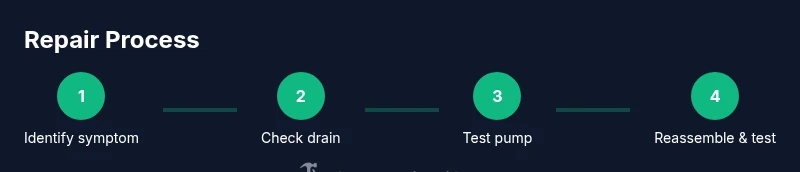
- Unplug and safety check → 2) Inspect for visible leaks or blockages → 3) Test pump and drain components → 4) Check seals and gaskets → 5) Replace faulty parts and reassemble → 6) Run a test cycle with an empty load. If errors persist, consult the model-specific manual or contact a technician. This flow keeps you organized and reduces the chance of rework.
Maintenance mindset to extend Whirlpool dishwasher life
After completing repairs, establish a simple maintenance routine: clean the filter weekly, inspect door gaskets biweekly, and run an empty cycle monthly with a white vinegar rinse to prevent mineral buildup. Periodically check hoses for wear and secure clamps snugly. Keeping a parts inventory and a log of service dates helps you plan proactive replacements rather than reactive fixes. Consistency in maintenance yields durable performance.
Why DIY repair can be cost-effective
Many Whirlpool dishwasher repairs involve common wear items that don’t require specialized tools or technician visits. A well-planned DIY repair can save hundreds of dollars over a replacement. However, if modules like the main control board or motor show signs of advanced failure, or you lack confidence with wiring, seeking professional help is prudent. Weigh the repair cost, labor, and your comfort level before proceeding.
Tools & Materials
- Phillips screwdriver(Medium sized #2 head is common)
- Flat-head screwdriver(Neutral and precision tips helpful)
- Nut driver / socket set(1/4 inch or 3/8 inch depending on screws)
- Pliers (regular and needle-nose)(Grip hoses and clamps safely)
- Multimeter(Check continuity on control boards and motors)
- Bucket and towels(Contain leaks and spills)
- Replacement parts (pump kit, door gasket, valve)(Choose Whirlpool-compatible parts for your model)
- Silicone sealant (dishwasher-safe)(For resealing connections if needed)
- Distilled water (for tests)(Use when testing diaphragms or valves)
- Flashlight / headlamp(Bright light to inspect tight spaces)
Steps
Estimated time: 45-90 minutes total
- 1
Power off and access
Unplug the dishwasher and switch off the dedicated circuit. Remove the bottom rack to gain access to the drain and pump area. This prepares you for safe inspection and disassembly.
Tip: Label screws and take photos during disassembly to simplify reassembly. - 2
Inspect the drain path
Check the filter, sump, and pump for clogs. Remove any debris with dry gloves or a soft brush. Ensure the drain hose is free of kinks and properly connected.
Tip: A blocked drain is a common cause of poor drainage; fix it before replacing parts. - 3
Test the pump and seals
With the unit unplugged, access the pump housing and test the impeller for freedom of movement. Examine seals around the pump and door for cracks or wear. Replace any compromised components.
Tip: Perform a visual test first; if the impeller doesn’t rotate freely, replace the pump. - 4
Check valves and inlet
Inspect the water inlet valve for blockages and ensure it opens fully when tested with the dispenser. Look for mineral buildup and replace if necessary.
Tip: A partially closed valve can mimic a leaky door and cause standing water. - 5
Reassemble with care
Reinstall the pump, gasket, hoses, and clamps in the correct orientation. Avoid over-tightening screws to prevent stripping. Reconnect the power cord and water supply.
Tip: Double-check that no tools remain inside the tub before final assembly. - 6
Run a test cycle
Plug in the unit and run a short cycle with an empty load to verify proper drainage and leak-free operation. Observe for unusual noises, leaks, or error codes.
Tip: If you see leaks, power off immediately and inspect hose connections again.
FAQ
Can I repair a Whirlpool dishwasher myself, or should I hire a pro?
Many Whirlpool dishwasher issues can be addressed by DIY enthusiasts with basic tools and patience. However, complex electronics or motor failures may require a licensed technician. Always assess safety risks and warranty terms before proceeding.
Many fixes are doable yourself, but for complex electronics consider a professional.
How do I know if the pump is defective?
A bad pump often causes draining problems or total failure to operate. Listen for grinding, check for seized impellers, and perform a continuity test with a multimeter. If the impeller doesn’t spin freely or there’s no continuity, replace the pump.
If the pump won’t spin or shows no electrical continuity, it’s likely defective.
What safety steps should I take before starting?
Unplug the unit, switch off the circuit, and avoid working near live components. Wear safety glasses and use a flashlight in tight spaces. If you smell burning insulation or hear unusual noises, stop and reassess.
Unplug first, then check for safety hazards before you begin.
How long does a typical Whirlpool dishwasher repair take?
A straightforward fix like cleaning the filter and replacing a gasket can take around 30-60 minutes. More involved repairs, such as pump replacement, may require 1-2 hours. Always factor in parts availability when estimating time.
Most common fixes are under an hour; more complex parts may take longer.
Should I replace the dishwasher if it’s old or frequently failing?
If failures are recurring and nearing the end of its expected life, consider replacement. Compare the cost of ongoing repairs to a new unit’s price, energy efficiency, and warranty coverage. Home Repair Guide recommends evaluating total ownership costs.
If repairs keep coming back, a replacement can be more economical in the long run.
Watch Video
Key Takeaways
- Identify the symptom, then inspect the drain, seals, and valve first.
- Use model-compatible parts to avoid fit and safety issues.
- Test with an empty cycle to verify repairs before running full loads.
- Maintain the unit with regular cleaning to extend life.