Portable Air Conditioner Repair: A Practical Guide
Learn to diagnose, troubleshoot, and safely repair common portable air conditioner problems with practical, step-by-step instructions, maintenance tips, and guidance on when to DIY or call a pro.


By following this guide, you will diagnose, safely repair, and maintain a portable air conditioner, resolving common cooling issues without unnecessary downtime. You will learn how to test power, inspect filters and hoses, safely clean components, and decide when a repair is feasible versus when to call a pro. This approach prioritizes safety and measurable improvements.
How portable air conditioner repair works
A portable air conditioner (PAC) is a compact HVAC appliance designed to cool a single room by drawing warm air from indoors, passing it over a refrigerant coil, and exhausting hot air outside through a vent hose. Inside, the compressor and condenser manage the refrigerant cycle, while the evaporator coil removes heat from the room air. For many homeowners, simple fixes are enough to restore cooling efficiency without needing a full replacement. According to Home Repair Guide, starting with a safety-first mindset and a clear plan reduces risk and saves time. In practice, repair starts with basic checks: power supply, thermostat settings, and airflow paths. If the unit isn’t cooling well even after basic maintenance, the issue often lies with air flow restriction, clogged filters, a blocked exhaust hose, or dirty coils. The repair strategy should prioritize non-destructive, reversible steps first, so you can observe improvements before committing to more invasive actions. This approach helps homeowners stay practical and avoid over-investing in a device that may only need cleaning or a simple seal fix.
Throughout this guide you’ll encounter practical, daylight-friendly instructions that assume only common household tools. You’ll learn safe disassembly techniques for exterior panels, how to identify worn gaskets or hoses, and how to verify that electrical connections are sound. The goal is to help you extend the life of your PAC, improve energy efficiency, and reduce the hassle of unexpected breakdowns. By focusing on routine maintenance and cautious troubleshooting, you’ll keep your space cool without unnecessary downtime.
Diagnosing common issues with portable air conditioners
Diagnosing PAC issues starts with a systematic checklist that targets the most frequent causes of poor cooling. First, confirm that the unit is receiving power. Check the wall outlet, ensure the circuit isn’t tripped, and test the outlet with a known-good device. A faulty power supply is the simplest fix and often overlooked. Next, inspect the air intake and exhaust paths. Blocked vents, closed dampers, or a kinked exhaust hose can trap heat in the room and force the unit to work harder than necessary. If the PAC struggles to reach the set temperature, verify that the thermostat is not set too high and that the fan setting is appropriate for the current conditions.
Filters must be clean to maximize airflow. A dirty filter restricts airflow, causing the compressor to work longer and reduce efficiency. Remove the filter, rinse with lukewarm water, and let it dry completely before reinstalling. Coils—both evaporator and condenser—collect dust and debris over time. Gently brushing or vacuuming these surfaces can restore heat transfer efficiency. If you notice unusual noises, check for loose panels or fan blades that may rub on the housing. Finally, inspect the condensate drain or tray. A full or clogged drain can trigger automatic shutoffs or overflow, especially in humid climates. Regular maintenance and careful observation often prevent major repairs by catching problems early. Based on Home Repair Guide analysis, simple maintenance and component checks account for the majority of PAC performance issues.
Safety and preparatory steps
Before you touch any internal components, safety must come first. Unplug the PAC from its power source and, if it’s hard-wired, switch off the circuit breaker to prevent electric shock. Avoid working with wet hands or in damp conditions, and never operate the unit with the housing open when power is connected. Wear basic protection: safety glasses to guard against debris, and gloves with a non-slip grip for handling components. If you must use tools on electrical connections, keep one hand away from the device’s frame to reduce the risk of a short circuit.
Key safety checks include ensuring there are no exposed wires, inspecting the power cord for signs of damage, and testing the outlet for proper grounding. Never attempt to recharge refrigerant or repair sealed refrigerant circuits yourself; these tasks require specialized equipment and licensing. When in doubt, consult a professional technician. It’s also worth noting that working around the condensate drainage system can create slip hazards; always have a towel or tray in place to catch any overflow during maintenance.
If your PAC has a history of frequent trips to the breaker, the issue may be an overloaded circuit or a faulty component drawing excess current. In such cases, consider moving the unit to a different outlet or using a dedicated circuit. Following these safety protocols keeps you and your home protected while you perform routine diagnostics and cleaning.
Cleaning and maintenance best practices
Maintenance is the best defense against frequent PAC failures. Start with a thorough cleaning of the air intake grill, filter, and evaporator coils. Use a soft brush or cloth to remove dust and avoid bending delicate fins. Rinse the filter with clean water and air-dry completely before reinstalling. Coils should be cleaned gently to avoid damaging the thin metal surfaces; if you see stubborn grime, you can use a mild detergent solution and a soft-bristled brush, ensuring all residue is rinsed away.
Check the condensate drain and tray for blockages. A clogged drain can overflow and trigger shutoffs, causing moisture issues in the installation area. Clear drains with a flexible, non-metallic brush or pipe cleaner, and ensure there is a clear path for water to exit. While removing panels for access, take note of wiring routes and make sure you do not dislodge any connections. After cleaning, reassemble the unit, verify seals around the exhaust vent, and test the cooling performance to confirm improvements. Regular maintenance should be scheduled seasonally or after periods of extended use; a quick routine can extend the PAC’s life and improve efficiency.
For long-term efficiency, ensure that you replace or clean the exhaust hose to prevent heat buildup, keep the surrounding area free of clutter, and position the unit in a location with adequate air intake. Small changes can have significant effects on performance and energy use. Home Repair Guide emphasizes that consistent maintenance is more cost-effective than repeated emergency repairs and helps preserve the unit’s cooling capability for years to come.
When to DIY vs. when to call a pro
Many PAC issues are well within the scope of a capable homeowner, including filter cleaning, hose adjustments, coil cleaning, and basic electrical checks. If you encounter a problem that involves refrigerant leakage, sealed components, compressor replacement, or a persistent electrical fault that trips breakers despite proper safety steps, it is time to contact a licensed technician. Refrigerant handling and sealed system work require specialized training, equipment, and safety standards that fall outside typical DIY projects.
Before you decide to DIY, assess the risk: if any repair involves opening the sealed refrigerant circuit, you should stop and seek professional help. Additionally, if your unit is still under warranty, unauthorized repairs could void coverage. If you do hire a pro, request a written estimate that includes parts and labor, and ask for a post-repair test to verify proper operation. Safety should always come first, even when saving money. Home Repair Guide’s experience shows that a balanced approach—tackling safe, low-risk tasks yourself and deferring complex repairs to trained professionals—delivers the best long-term results.
Troubleshooting by symptom: common fault patterns
Poor or weak cooling can stem from a few recurring symptoms. If the air feels warm despite a low room temperature setting, verify that the filter is clean and that the exhaust hose is properly vented outside. A gurgling or banging sound may indicate a loose panel or internal component that needs tightening; carefully reseat or secure the parts to eliminate the noise. If the unit runs continuously without achieving the desired temperature, the thermostat settings could be off, or the coils may be dirty, reducing heat transfer. Excess moisture around the unit often signals a clogged condensate drain or a blocked vent site, which should be cleared promptly to prevent water damage.
If you notice ice on the coils or frost buildup, the unit could be low on refrigerant, or airflow may be restricted due to dirty coils or clogged filters. Do not attempt a refrigerant refill yourself; this is a job for a licensed technician. Finally, if the unit shuts off unexpectedly, it can be an overheat protection mechanism triggered by blocked airflow or a faulty compressor. Systematic symptom-based checks make troubleshooting more efficient and safe.
Long-term care and energy efficiency tips
A well-maintained PAC delivers better cooling with lower energy use. Clean filters monthly during heavy use seasons and inspect hoses for cracks or leaks. Maintain proper ventilation in the room and avoid running the unit in rooms with poor insulation or direct sun exposure. Keep doors and windows closed while the PAC is operating to maximize efficiency. For energy-conscious households, consider setting a comfortable baseline temperature and using ceiling fans to improve air circulation. If you notice a noticeable drop in performance after several seasons, evaluate whether a replacement unit with modern efficiency standards is more cost-effective than ongoing repairs.
A practical maintenance plan includes seasonal inspections, prompt filter changes, and timely coil cleaning. As Home Repair Guide analyses reveal, home efficiency improves when you combine regular upkeep with mindful usage patterns, leading to longer-lasting equipment and lower operating costs. Together, these habits create a robust preventive strategy that minimizes downtime and keeps your home comfortable.
Tools & Materials
- Screwdrivers set(Phillips and flathead, assorted sizes)
- Multimeter(For checking electrical continuity and voltage)
- Safety gear(Gloves and safety glasses)
- Soft brush or cloth(For cleaning coils and grills)
- Vacuum with brush attachment(To remove dust without bending fins)
- Mild detergent(For cleaning coils; ensure residue is rinsed)
- Replacement filter (as needed)(Check manufacturer specs)
- Pipe cleaner or flexible drain tool(Clear condensate drain if needed)
Steps
Estimated time: 30-45 minutes
- 1
Power down and unplug
Unplug the unit from the wall and, if applicable, switch off the dedicated circuit breaker. This basic step prevents electric shock while you inspect any exposed wiring or high-voltage components.
Tip: Always unplug before touching wiring or capacitors. - 2
Inspect exterior and venting
Check the housing for cracks, ensure the exhaust hose is securely connected, and look for kinks or blockages in the hose that limit exhaust flow. A blocked vent is a leading cause of reduced cooling performance.
Tip: Clear any obstructions from the vent path outside the room. - 3
Remove and clean the air filter
Take out the washable filter, rinse it with lukewarm water, and let it dry completely. A clean filter improves airflow and cooling efficiency.
Tip: Never operate the unit with a wet filter or a damaged frame. - 4
Inspect and clean coils
Gently brush the evaporator and condenser coils to remove dust. If accessible, wipe fins with care to avoid bending them. Dirty coils impede heat transfer and waste energy.
Tip: Use a soft brush and avoid aggressive scrubbing. - 5
Check the condensate drain
Locate the drain pan or hose and ensure it’s clear. Clear any blockages with a flexible tool and confirm the water drains away smoothly.
Tip: Have a tray or towel handy to catch any overflow during testing. - 6
Test electrical connections
With the unit powered off, test visible connections for looseness or corrosion. If you’re comfortable, use a multimeter to verify continuity on accessible circuits.
Tip: Do not probe inside sealed components; this requires professional service. - 7
Reassemble and baseline test
Reinstall all panels, reattach the filter, and plug the unit back in. Set the thermostat and run a test cycle to observe airflow, temperature drop, and any unusual noises.
Tip: Note any changes in performance and listen for new sounds during the test. - 8
Decide next steps
If cooling improves after cleaning and checks, maintain the routine. If performance remains poor or refrigerant service is suspected, contact a licensed technician.
Tip: Document issues and dates for your records; this helps with future maintenance.
FAQ
Is it safe to repair a portable air conditioner by myself?
Basic maintenance and non-invasive checks are generally safe for homeowners, but avoid refrigerant handling or sealed-system work. Use proper safety gear and unplug the unit before any inspection.
Yes, you can handle basic cleaning and checks, but do not attempt refrigerant work. Always unplug the unit and wear safety gear.
What signs indicate my PAC needs service?
If cooling performance drops, you hear unusual noises, or there’s frequent tripping of the circuit, these are signals to inspect filters, vents, and coils, or consult a technician for deeper diagnostics.
Watch for reduced cooling, odd noises, or frequent breaker trips; these often mean you should inspect filters and vents or call a pro.
Can I fix a refrigerant leak myself?
No. Refrigerant leaks require licensed technicians and special equipment. Attempting to repair a leak can be dangerous and is illegal in some jurisdictions.
Refrigerant leaks should be handled by a licensed professional. Do not try to fix it yourself.
How long does a typical PAC repair take?
Most routine maintenance and simple fixes can be completed in under an hour, while more complex diagnostics may take longer depending on access to components and parts.
Most basic fixes take under an hour, but complex diagnostics may take longer.
Should I replace the unit or repair it?
If repairs become frequent or exceed a reasonable portion of the unit’s replacement cost, replacement is often the wiser long-term choice. Consider efficiency gains from newer models.
If repairs pile up or costs near replacement, a new unit may be the smarter choice.
What maintenance can extend PAC life?
Regular filter cleaning, coil cleaning, vent checks, and prompt drainage maintenance extend life and preserve efficiency.
Keep filters clean, coils dust-free, and ducts clear to extend your PAC's life.
Watch Video
Key Takeaways
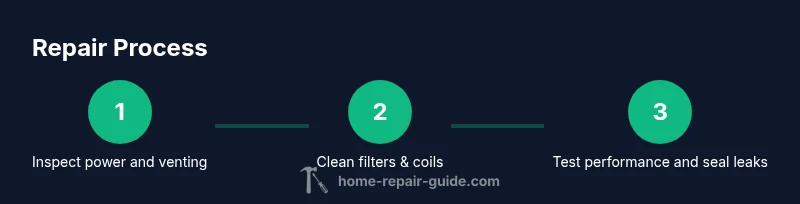
- Identify power and venting issues before disassembly
- Clean filters and coils to restore airflow
- Use safety practices for all electrical work
- Know when to DIY and when to call a pro
- Maintain a regular maintenance schedule for best results