LiftMaster Garage Door Opener Repair: A Practical Guide
Learn safe, step-by-step LiftMaster garage door opener repair methods. This Home Repair Guide tutorial covers common issues, tools, and safety tips for durable fixes.


Learn how to diagnose and safely repair common LiftMaster garage door opener problems. This guide covers basic troubleshooting, safety checks, required tools, and a clear step-by-step method to restore smooth operation or decide when to call a professional. Whether you own a modern model with belt, chain, or jackshaft drive, you'll learn practical inspection routines, safe disassembly tips, and post-repair testing to ensure door balance and sensor alignment.
Why LiftMaster Garage Door Opener Repair Matters
LiftMaster garage door openers combine reliability with convenience, and when they fail, they can disrupt daily routines and create safety hazards. According to Home Repair Guide, a failing LiftMaster opener can compromise safety and convenience, especially on homes with heavy doors that rely on precise balance and sensor accuracy. Regular maintenance and timely repairs reduce wear, prevent misalignment, and help extend the life of your system. A well-maintained opener also improves energy efficiency and reliability, meaning fewer unexpected glitches during cold mornings or busy evenings.
Common LiftMaster Opener Issues
Many homeowners encounter a few recurring LiftMaster opener problems. The opener may not respond to a remote or wall switch, the motor hums without lifting the door, or the door rises slowly and stops mid-way. Dust or corrosion on sensors can cause false obstruction readings. Sometimes the issue is as simple as worn batteries or a loose connection, but other times it requires a deeper inspection of gears, derailments in the drive system, or misaligned tracks. These symptoms help you triage whether you’re facing a harmless quirk or a sign of a more serious failure.
Safety Considerations for DIY Repairs
Safety should be your top priority when working with garage doors and openers. Always disconnect power to the opener before performing any checks or adjustments. Wear safety glasses and gloves, keep hands clear of moving parts, and never work under a door that is supported only by springs. If you’re unsure about springs, balance, or high-tension components, pause the project and consult a professional. Safe handling reduces the risk of pinch injuries and structural damage.
Diagnostic Checklist: Is It the Opener or the Door?
Start by isolating variables to determine whether the problem lies with the opener or the door itself. Manually raise the door to ensure it is balanced and can stay in a raised position. If the door feels heavy or winsches, the springs or tracks may be the root cause. Test the opener with no door attached by using the ceiling-mounted/overhead unit’s test function, if available. A non-responsive opener combined with a balanced door usually points to a problem in the drive system, sensors, or wiring.
When to Call a Pro vs DIY
If you identify dangerous components (like damaged springs) or you’re unsure about the correct torque on fasteners, stop and hire a pro. DIY repair is reasonable for basic maintenance (lubrication, sensor cleaning, simple belt/chain adjustments) and non-load-bearing repairs. Avoid diagnosing or adjusting torsion springs or door balance if you lack specialized tools or knowledge, as improper handling can cause serious injury or door failure. The stakes are high, but many common fixes are well within reach for a careful, safety-minded homeowner.
Home Repair Guide Analysis: Practical Approach to LiftMaster Repairs
Based on Home Repair Guide analysis, a structured approach to LiftMaster opener repairs emphasizes safety-first checks, accurate identification of sensor alignment issues, and a clear distinction between door and opener problems. Our method favors testing and documentation before replacing components, which helps prevent unnecessary purchases and ensures that the fix addresses the actual fault. This practical framework helps homeowners complete durable repairs with confidence.
Authority Sources
- OSHA Safety Guidelines: https://www.osha.gov
- Cooperative Extension (University Resources): https://extension.illinois.edu
- Energy Efficiency and Safety Resources: https://www.energy.gov
theoryIfNeededNote":null},
toolsMaterials
Tools & Materials
- Voltage tester(Check power at the outlet and control terminals before touching any wiring.)
- Screwdrivers (Phillips #2 and flathead)(Use magnetic tip to avoid dropping screws into hard-to-reach areas.)
- Stepladder(Stable platform for accessing the opener and tracks.)
- Socket wrench set(For removing mounting screws and drive components.)
- Lubricant spray (silicone or white lithium)(Lubricate moving parts like rollers, hinges, and rails; avoid oil-based lubricants on belts.)
- Replacement sensors or limit switch (if needed)(Only as recommended by the model’s manual.)
Steps
Estimated time: 60-90 minutes
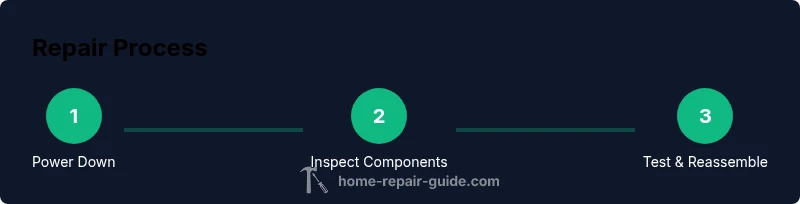
- 1
Power down and secure the door
Unplug the opener from its outlet or switch off the circuit to ensure no power is supplied while you inspect. Manually secure the door in the fully closed position to prevent accidental movement during work.
Tip: Always verify power is off with a voltage tester before touching any wiring. - 2
Check remote, wall switch, and keypad
Test all control inputs (remote, wall switch, keypad) to confirm they send a signal. Replace batteries if needed and re-pair accessories per the LiftMaster manual.
Tip: A non-responsive control input often points to a simple battery or pairing issue. - 3
Inspect tracks, rollers, and alignment
Visually inspect tracks for dents and obstructions. Ensure rollers move freely in the tracks and that the door is properly aligned without signs of binding.
Tip: Misalignment can cause the door to bind or reverse unexpectedly. - 4
Test safety sensors and wiring
Check that the infrared sensors face each other and are free from dirt or spider webs. Clean the lenses and ensure the sensor wires are securely connected.
Tip: Dirty or misaligned sensors are common causes of automatic reversal. - 5
Evaluate the drive system (belt/chain)
Inspect the belt or chain for wear, slack, or fraying. If the drive looks damaged, consider replacing the belt/chain or the entire opener depending on model age.
Tip: Do not attempt to adjust a damaged belt without proper replacement parts. - 6
Lubricate moving components
Apply a light lubricant to the chain or belt drive, rollers and hinges, and the track joints where applicable. Wipe away excess lubricant to prevent debris attraction.
Tip: Lubrication reduces noise and wear but can attract dust if over-applied. - 7
Test the system with the door
Reconnect power and test the opener’s function with the door attached. Listen for smooth operation, note any unusual noises or delays, and read the error codes if displayed.
Tip: If the door doesn’t stay balanced, stop and reassess before continuing.
FAQ
What safety steps should I take before starting LiftMaster garage door opener repair?
Always disconnect power, wear protective gear, and keep a coworker nearby. Do not work under an open door supported only by springs. If you’re unsure about components like torsion springs, pause the repair and seek professional help.
Always disconnect power and wear protective gear. If you’re unsure about springs, stop and get professional help.
Can I repair a LiftMaster garage door opener myself?
DIY is feasible for basic maintenance such as lubrication, sensor cleaning, and simple tightening. Complex fixes, especially involving springs or safety systems, should be handled by a licensed technician.
DIY is possible for simple maintenance, but for springs or safety components, hire a pro.
What are common signs that the opener needs repair?
Look for intermittent responses, unusual noises, slow operation, or doors that don’t stay balanced. These symptoms usually indicate sensor issues, drive wear, or misalignment.
Common signs include slow operation, strange noises, and the door not staying balanced.
Is it always the opener or could the door itself be at fault?
Often the door or its springs cause issues that mimic opener faults. Test door balance manually to determine if the problem lies with the door rather than the opener.
Sometimes the door or springs cause problems that look like opener faults.
How long does LiftMaster opener repair take?
Most minor repairs take under an hour, while more extensive fixes or replacement parts may take longer. If a pro is required, schedule accordingly.
Smaller fixes can take under an hour; larger repairs may take longer or require a parts order.
Do I need special tools or replacement parts for repairs?
Basic tools and model-specific parts are often enough for simple maintenance. For safety-critical components, stick to OEM parts and follow the manufacturer’s instructions.
Basic tools and genuine parts are usually enough, but follow the manual for safety-critical components.
Watch Video
Key Takeaways
- Prioritize safety and power-off procedures
- Differentiate between door vs opener issues before replacing parts
- Follow manufacturer guidelines for LiftMaster models
- Consult a professional for high-tension components or uncertain steps