Hoshizaki Ice Machine Repair: Step-by-Step Guide
Learn safe, effective methods to diagnose, repair, and maintain Hoshizaki ice machines. This comprehensive guide covers common symptoms, cleaning, part replacement, and when to call a pro, with clear steps and practical maintenance tips for homeowners and renters.


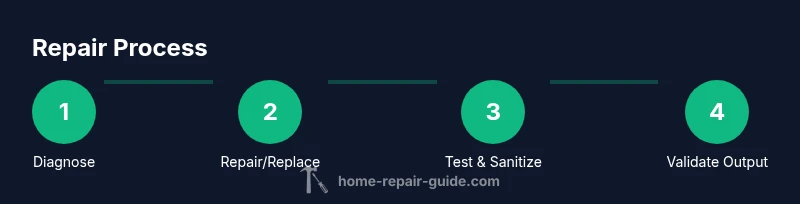
By following this guide, you’ll diagnose and repair common Hoshizaki ice machine issues, from weak ice production to unusual noises. You’ll learn safe diagnostic steps, the essential tools, and a clear, step-by-step repair process, plus maintenance tips to keep the unit reliable. This approach emphasizes safety, practical troubleshooting, and when to seek professional help.
Understanding Hoshizaki Ice Machines
Hoshizaki ice machines are common in commercial kitchens and larger residential setups, prized for consistent ice quality and reliability. A typical system combines an evaporator, harvest mechanism, condenser (air or water cooled), water inlet and filtration, a float valve, and a control board that orchestrates cycles. Knowing how these subsystems interact helps you diagnose problems efficiently. For instance, a clogged water filter or a dirty evaporator can disrupt the harvest cycle, cutting ice production or causing cloudy ice. While models vary, many share a similar control logic: sensors monitor temperature and flow, then the harvest motor engages to release ice into the bin. This section emphasizes practical, model-agnostic concepts to guide your diagnosis. According to Home Repair Guide, understanding these subsystems is the first step toward safe, effective repairs, and it sets the stage for a structured diagnostic plan. The term hoshizaki ice machine repair often appears in do-it-yourself discussions, but always prioritize model-specific guidelines and safety protocols.
Safety First: Prep and Power Down
Before touching any ice machine, power down the unit and disconnect the power at the source to prevent electrical shock. If the machine is in a busy commercial space, use a lockout-tagout procedure and notify staff of maintenance work. Shut off the water supply to reduce the risk of leaks, and relieve any pressure in the lines after turning off the machine. Wear insulated gloves and eye protection, and keep a clean workspace to prevent slips from spilled condensate. When possible, consult the model’s service manual for wiring diagrams and safety cautions. Keep a digital camera or notebook handy to document wire colors and component positions for reassembly. The combination of proper safety steps and careful documentation makes hoshizaki ice machine repair safer and more efficient.
Diagnosing Common Symptoms
Ice machines exhibit a range of symptoms that point to root causes. If ice falls slowly, looks cloudy, or the bin runs out of ice, start with water flow and filtration: check the filter, water inlet valve, and supply lines for kinks or sediment. Listen for unusual noises around the condenser or harvest motor, which can indicate a failed relay or worn bearings. Temperature readings from the control board sensors help identify improper cycling. Ensure the condenser coils are clean and unobstructed, especially for air-cooled models. Keep in mind that some issues are model-specific, so use the service manual to confirm expected sensor values and sequence. Based on Home Repair Guide research, most failures share common culprits like clogged filters, dirty coils, or sensor malfunctions, making a structured diagnostic path highly effective. When diagnosing, document findings and test the system after each corrective step to avoid chasing symptoms rather than causes. The key phrase hoshizaki ice machine repair often appears here as you align symptoms with targeted fixes.
Cleaning, Sanitizing, and Maintenance
A clean machine runs more reliably and produces purer ice. Begin with a full cleaning and sanitation cycle using manufacturer-approved cleaners, following the recommended dilution rates and contact times. Remove the air filters if applicable and clean them with warm water, allowing them to dry completely before reinstallation. Clean the exterior housing and accessible interior surfaces with a non-abrasive cleaner. Rinse thoroughly to remove all cleaner residues, then sanitize all food-contact surfaces per local health guidelines. Replace any disposable filters and verify that the water supply is free of sediment. Regular maintenance—such as monthly coil brushing and quarterly filter changes—helps prevent buildup and reduces downtime. The Home Repair Guide team notes that consistent maintenance improves reliability and extends life, reinforcing the importance of a routine for hoshizaki ice machine repair and ongoing care.
Replacing Worn Components
Worn or failed components are common culprits behind ice production issues. Start with the water inlet valve, filtration housing, and float valve, ensuring seals are intact and there are no leaks. Inspect the condenser fan and motor for debris buildup or blade wear, replacing if necessary. Thermostats and sensors should read within the manufacturer’s specified range; if not, recalibration or replacement may be required. In some cases, the harvest motor or control relay may fail, causing inconsistent cycles. When replacing parts, use compatible replacements from the same series and avoid mixing brands unless specified by the model’s service manual. Document any part numbers and recheck electrical connections after installation. This section helps you approach replacements methodically, reducing the risk of incorrect assemblies during hoshizaki ice machine repair.
Testing, Verification, and Long-Term Care
After repairs, run a complete test cycle to verify ice quality, ice bin availability, and consistent harvest timing. Check for leaks, abnormal noises, and temperature fluctuations. Confirm that the water filter is draining properly and that the system resets to normal operating temperatures. Sanitize again after any disassembly to maintain food-safety standards. Finally, establish a short maintenance cadence: monthly cleaning, quarterly filter changes, and annual professional inspection if the unit sees heavy use. According to Home Repair Guide, a proactive maintenance routine reduces downtime and sustains performance, making hoshizaki ice machine repair more predictable and less disruptive over time.
When to Call a Professional and Model Variants
Some issues require refrigerant handling, sealed-system pressure testing, or specialized tooling that is beyond typical DIY scope. If you encounter refrigerant leaks, compressor symptoms, or a fault that resists basic troubleshooting, contact a licensed technician. Also note that modular or multi-howl models may have integrated controls that require model-specific service procedures. Always refer to your model’s service manual for wiring diagrams and torque specs before attempting repairs. If you are unsure about any step, pause and seek professional help to avoid safety risks or equipment damage. For many homeowners, recognizing when to escalate is part of responsible Hoshizaki ice machine repair and helps protect the equipment and your warranty.
Maintenance Schedule and Quick Checks
Create a simple annual maintenance plan: inspect the condenser, clean the coils, replace pre-filter elements, and test the harvest cycle. Maintain a log of service dates, observed symptoms, and which parts were replaced. Quick checks between service visits—ice clarity, production rate, and bin level—can help you catch issues early. Document your observations so a professional can assess trends quickly if you need to call for service. This routine aligns with best practices in home repair and commercial guidelines, supporting long-term reliability and efficient operation of your Hoshizaki ice machine.
Tools & Materials
- Insulated gloves(Protect hands from sharp edges and cold surfaces)
- Safety glasses(Eye protection for splashes and debris)
- Multimeter(Check voltages at controls and sensors)
- Screwdrivers (Phillips and flat-head)(Tools for panels and fasteners)
- Nut drivers(Access to clamps and fittings)
- Wrench/set(Lug nuts and fittings in tight spaces)
- Pliers and wire cutters(Electrical harness work and hose clamps)
- Bucket and towels(Contain spills and clean up water condensate)
- Ice machine cleaner and sanitizer(Follow the manufacturer’s approved products and dilution)
- Soft-bristle coil brush(Clean condenser coils and evaporator passageways)
- Replacement filters or valves(Only if you’ve confirmed a faulty part)
Steps
Estimated time: 90-120 minutes
- 1
Power down and prep
Unplug the unit from the wall outlet and shut off the water supply. If available, engage lockout/tagout to prevent accidental re-energizing. Remove any ice from the bin and drain residual water. This initial step is critical to avoid electrical shock and to create a safe working zone.
Tip: Document power and water shutoffs before starting to repair. - 2
Gather documentation and test equipment
Locate the model number and service manual. Prepare your multimeter, screwdrivers, and a camera to capture wiring configurations before disassembly. Having the correct model data helps ensure you follow the right procedures and torque specs.
Tip: Take photos of wiring color codes and connector orientations. - 3
Inspect for obvious faults
Check hoses and fittings for leaks, listen for abnormal noises around the condenser and harvest motor, and inspect coils for dust or scale. Ensure the water supply line is clear and that the filter housing seals properly. Simple failures here often resolve the issue.
Tip: Clear debris from the condenser coils and filter paths first. - 4
Clean and sanitize gradually
Follow the manufacturer’s cleaning cycle with food-grade cleaner. Rinse thoroughly, then sanitize all contact surfaces and ice-contact pathways. Allow components to dry completely before reassembly.
Tip: Do not skip the rinse step; residual cleaner can affect ice quality. - 5
Replace worn parts if needed
If a component shows wear or failure—valves, sensors, or the harvest motor—replace it with the correct OEM or model-compatible part. Reconnect harnesses carefully and verify all connections are secure.
Tip: Only replace parts that are clearly faulty or show wear. - 6
Test and verify
Power the unit back on and run a full cycle. Check ice production, sensor readings, and sanitation status. If the problem persists, revert to step 3 or escalate to a professional, especially if refrigerant handling is involved.
Tip: Document test results and time how long the cycle takes.
FAQ
What is the first step to begin Hoshizaki ice machine repair safely?
Power down the unit and disconnect from the power source. Close the water supply and drain residual water before touching any components.
First, switch off the power and water supply, then drain residual water before you start inspecting.
Which common symptoms indicate a possible water system fault?
Slow ice production, cloudy ice, or frequent bin fullness without increased production often point to clogged filters or water inlet issues. Inspect filters and water lines first.
Cloudy ice or slow production typically means there could be a water flow issue.
Are there model-specific differences I should know about?
Yes. Hoshizaki models vary in condensers (air vs. water cooled) and control interfaces. Always refer to the specific service manual for exact procedures, sensors, and torque specs.
Different models have different parts and settings; check your manual for specifics.
When is it appropriate to sanitize the machine during repair?
Sanitization is essential after disassembly or cleaning cycles and before returning ice production to service to protect food safety. Follow the product’s recommended sanitation cycle.
Sanitize after cleaning or disassembly to keep ice safe to consume.
What signs indicate I should call a professional?
Leaks of refrigerant, a faulty sealed system, or issues with electrical components beyond basic checks require a licensed technician and may affect warranties.
If you suspect refrigerant leaks or refrigerant-related issues, it’s time to call a pro.
Watch Video
Key Takeaways
- Power down safely before any work
- Diagnose with a structured checklist, not guesswork
- Regular cleaning and filter replacement prevent most issues
- Replace worn parts only with model-compatible components
- Test cycles thoroughly to confirm proper operation