Fridge Repair Guide: A Practical Step-by-Step Approach
Comprehensive, practical instructions for diagnosing and repairing common fridge problems. Learn safety, tools, step-by-step actions, maintenance, and when to hire a professional for fridge repairing.


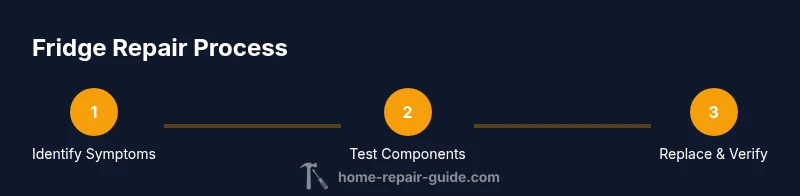
This guide helps you tackle fridge repairing with a practical, safety-first approach. You’ll learn how to diagnose common symptoms, gather the right tools, perform a basic repair workflow, and decide when to call a professional. By following these steps you’ll gain confidence in handling typical refrigerator faults.
What fridge repairing involves
Fridge repairing is a structured process of identifying the underlying fault in a household refrigeration unit and restoring normal operation. It combines basic electrical checks, mechanical inspection, and validated troubleshooting steps. Most common issues stem from thermostat misreads, defrost system faults, blocked coils, or faulty start components. A methodical approach reduces risk to you and your appliance, while extending its lifespan. In this guide, you’ll learn how to approach fridge repairing with safety, common-sense diagnostics, and practical, model-agnostic steps. Remember that every model has specific quirks, so always refer to your owner’s manual for service alerts and part compatibility. The goal is to reliably isolate the fault and perform repairs that restore cooling without compromising food safety or personal safety.
Common refrigeration issues and their causes
Fridges fail for a handful of reasons that repeat across many brands. A warm fridge usually signals compressor issues, poor door seal, or blocked condenser coils. In frost-free models, frost buildup or a faulty defrost timer can lead to intermittent cooling. A refrigerator that runs constantly may indicate a malfunctioning thermostat, fan motor, or sensor. Leaking seals or door gaskets can cause moisture ingress and temperature instability. Poor air circulation due to cluttered vents or dirty coils also undermines efficiency. Understanding these patterns helps you decide whether the fix is within DIY reach or if professional service is warranted.
Safety guidelines before you start
Safety is the foundation of successful fridge repairing. Always unplug the unit before any inspection. Use insulated tools and wear eye protection when handling electrical components, and avoid touching live metal when power is present. If you must handle refrigerant-adjacent parts, leave it to licensed technicians due to legal and health risks. Keep children and pets away, and work in a well-ventilated area. Take photos or notes of wire connections before disassembly to aid reassembly. Finally, don’t force components through tight spaces; if you encounter resistance, pause and reassess rather than forcing parts.
Diagnosing with non-destructive tests
Start with non-destructive checks to minimize damage. Listen for unusual compressor noise, test door seals with a dollar-bill gauge, and palpate for temperature differences between compartments. Use a multimeter to verify voltage at accessible relays and boards, but avoid testing live circuits when unsure. Document symptoms: temperatures, frosting patterns, and cycling frequency. If the issue is electrical, common culprits include thermostat contacts, start relays, and defrost timers. For evaporator coils, inspect for frost buildup that could indicate a defrost problem. A structured symptom map will guide your next steps.
Tools and materials overview
You’ll need a focused set of tools to handle routine fridge repairs. Essentials include a multimeter, nut drivers, needle-nose pliers, and insulated screwdrivers. Replacement parts should be model-compatible and may include thermostats, defrost thermostats, start relays, fuses, and defrost timers. Have a clean tray or protective surface to catch any condensate or debris, plus a flashlight for hard-to-see areas. If you’re uncertain about a specific part, consult the appliance’s service manual or manufacturer’s schematics before purchasing. Always verify compatibility with your fridge model before ordering parts.
Cost-saving strategies without compromising safety
DIY fixes can save money, but avoid replacing non-defective components just to “try something.” Compare unit cost of a single part versus a full service call. Use manufacturer-approved parts when possible to prevent compatibility issues. If a repair requires specialized tools or refrigerant handling, weigh the long-term return on investment against the alternative of a professional repair. Finally, prioritize core maintenance—clean coils, door seals, and proper airflow—to maximize efficiency and reduce recurring problems.
Basic maintenance to extend fridge life
Preventive maintenance is the cheapest insurance. Clean condenser coils every six months, check door seals for elasticity, and wipe gaskets dry to avoid moisture buildup. Keep the interior organized so air can circulate, and avoid overloading shelves which stresses the cooling cycle. Change door seals if you notice frost or condensation along the edges. Periodically verify temperatures with an appliance thermometer, aiming for a consistent cool environment that preserves food quality. A small maintenance routine now reduces the likelihood of major fridge repairs later.
When to replace rather than repair
If multiple components fail within a short period or the model is outdated and inefficient, replacement may be more economical in the long run. Consider energy efficiency, warranty status, and the cost of compatible parts versus a new unit. A high repair bill on an older model can exceed the price of a new, more efficient fridge with up-to-date features. Evaluate the break-even point by estimating repair costs, potential energy savings, and the expected remaining lifespan of the appliance.
Documentation and record-keeping for fridge repairing
Keep a repair log that lists symptoms, tests performed, parts replaced, and dates. This is valuable for future service visits, especially with multiple technicians. Note model numbers, serials, and purchase dates for warranty validation. Digital photos of wiring diagrams and control boards aid reassembly. With a well-maintained history, you’ll spend less time diagnosing recurring issues and can better communicate with service professionals.
Common DIY fix scenarios: frost buildup and noise
Frost buildup can indicate a defrost system issue or poor airflow; inspect the defrost heater and timer, and ensure the drain is clear. Odd noises might come from a failing compressor or a faulty condenser fan. In both cases, verify electrical connections, room temperature, and vibration isolation. If noises persist after basic checks, it’s prudent to consult a professional, as compressors and refrigerant circuits require specialized handling.
Consumer myths vs reality in fridge repairs
Some claim all fridges are 'easy' to fix at home, but many issues involve sealed refrigerant circuits or high-voltage components. Believing every symptom points to a simple thermostat swap can waste time and money. Always confirm part compatibility and safety considerations before purchasing or disassembling. Realistic expectations help you decide between DIY fixes and professional service, and protect food safety during repairs.
Tools & Materials
- Multimeter(Test voltage at accessible relays and boards)
- Insulated screwdrivers(Safely loosen/tighten screws near energized components)
- Nut drivers and pliers(Remove fasteners and reach behind panels)
- Replacement parts compatible with model(Thermostat, defrost thermostat, start relay, defrost timer as needed)
- Non-contact voltage tester(Quick checks without contact)
- Service manual or parts diagram(Model-specific guidance improves accuracy)
- Soft cloth and mild cleaner(Clean coils and surfaces without damage)
Steps
Estimated time: 60-90 minutes
- 1
Prepare and safety-check
Unplug the fridge and remove nearby obstacles. Gather all tools and verify you have model information handy. This prevents accidental shocks and makes the repair smoother.
Tip: Double-check that power is off at the outlet before touching any internal components. - 2
Identify the symptom and isolate the circuit
Document the specific symptom (warm air, frost, noise) and locate the related circuit board or relay. Isolate components by disconnecting only the non-critical parts to avoid cascading failures.
Tip: Keep a labeled diagram of connections to aid reassembly. - 3
Test components with a multimeter
Use a multimeter to verify continuity and voltage on accessible parts. Compare readings to the expected spec from the service manual. Do not replace parts based on assumption alone.
Tip: Take photos of each test setup for reference. - 4
Replace faulty part
Install the identified faulty component with care, ensuring correct orientation and secure connections. Avoid forcing parts—misalignment can harm a new part.
Tip: Power off during installation; re-check connections before powering up. - 5
Test operation and airflow
Plug in the unit and allow it to cycle. Check for cooling efficiency, frost patterns, and fan operation over 30-60 minutes. Confirm no leaks or abnormal noises.
Tip: Monitor temperature difference between compartments to ensure even cooling. - 6
Document the repair and plan maintenance
Record what you replaced, settings, and dates for future service. Schedule periodic maintenance to prevent recurrence.
Tip: Set a reminder to clean coils and inspect door seals every 6 months.
FAQ
What fridge repairs can I do myself?
Simple tasks like cleaning coils, replacing a door gasket, or testing basic electrical components can be DIY if you feel confident and follow safety guidelines. Avoid refrigerant handling and high-risk electrical work if you’re not trained.
You can start with coil cleaning or door gasket replacement, but avoid handling refrigerant or complex electrical work without training.
When should I call a professional?
If the issue involves sealed refrigerant circuits, suspected compressor fault, or high-voltage components, or if you’re unsure about safety, hire a licensed technician. A pro will also handle warranty concerns and ensure proper refrigerant handling.
Call a professional for refrigerant work, compressor issues, or uncertain safety scenarios.
Is fridge repair safe for beginners?
Basic troubleshooting with unplugged appliances is generally safer for beginners. Always respect energy safety rules and never work with live parts. If you’re unsure, pause and consult a professional.
Yes for basic steps when unplugged, but stop if unsure and get expert help.
How long do fridge repairs typically take?
DIY repairs usually take 1–2 hours for straightforward issues. More complex problems or parts replacement could extend to several hours, particularly if parts need ordering.
Most fixes take one to a couple of hours, longer if parts must be ordered.
What maintenance helps prevent fridge problems?
Regular coil cleaning, door seal inspection, and keeping the interior organized help maintain efficiency and reduce frost buildup. Schedule semi-annual checks for best results.
Clean coils, inspect seals, and keep the interior organized to prevent problems.
Can I replace a defrost timer by myself?
Replacing a defrost timer is feasible for DIYers with basic electrical know-how and the correct part. Always disconnect power and consult the service manual for wiring diagrams.
Yes, with care and the right part, but follow the manual closely.
What are signs I need a new fridge rather than a repair?
If multiple major components fail, energy efficiency is poor, or the repair cost approaches or exceeds a new unit’s price, replacement may be the wiser choice.
Consider replacement if repairs are frequent or nearly as costly as a new unit.
Watch Video
Key Takeaways
- Know how to safely unplug and inspect before working.
- Diagnose with symptom-focused tests and documentation.
- Use model-compatible parts and verify function after repair.
- Maintain coils, seals, and airflow to prevent future failures.