Fridge Service and Repair: Practical DIY Step-by-Step Guide
Learn practical fridge service and repair techniques—from diagnosing cooling issues to replacing seals. This step-by-step guide helps homeowners safely fix common problems and decide when to call a pro.


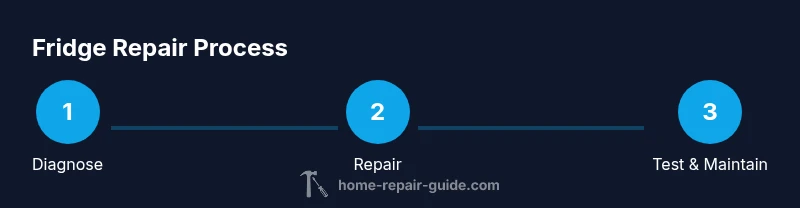
This guide shows you how to diagnose and repair common fridge issues in 6 actionable steps, plus safety checks and maintenance tips. You’ll unplug, inspect coils and doors, test sensors, and verify cooling before testing optimal temperatures. Most fixes stay within basic tools; reserve professional help for compressor or refrigerant-related problems.
Understanding fridge service and repair
According to Home Repair Guide, fridge service and repair starts with a practical plan that matches your model, symptomatic clues, and safety considerations. A methodical approach helps you identify root causes rather than chasing symptoms, minimizes downtime, and reduces the risk of accidental damage. In this fridge service and repair guide, you will learn how to inspect, diagnose, and safely perform common repairs, plus when to escalate to a professional. Expect a thorough, step-by-step workflow, essential tools, and best practices to maintain cooling performance and extend appliance life. The goal is to empower homeowners to handle routine maintenance, catch issues early, and avoid costly replacements when a fix is feasible.
Recognizing common fridge issues and their symptoms
Familiarize yourself with typical fridge problems so you can spot the signs early. Common issues include uneven temperatures (cold in one area, warm in another), excessive frost or ice buildup, unusual noises from the compressor or fans, water leaks around the drain, and frequent cycling on and off. Temperature instability is often the result of a failing thermostat, dirty condenser coils, or a faulty door gasket. Leaks usually point to clogged defrost drains or damaged seals. By understanding these symptoms, you can prioritize checks and avoid unnecessary disassembly. This section helps you map symptoms to likely causes without guessing.
Safety first: preparing for DIY fridge work
Safety should always come first in fridge service and repair. Start by unplugging the unit and turning off any power at the outlet. Remove stored food and place it in a cooler if needed. Wear safety gloves and eye protection when handling sharp edges or electrical components. Never work on live circuits or refrigerant lines unless you are a qualified technician. Keep a clear workspace and have a plan to prevent food spoilage during the repair window.
Tools, parts, and safety supplies you’ll need
Before diving in, assemble a basic toolkit and common replacement parts. Essential items include a multimeter for electrical checks, a screwdriver set (Phillips and flathead), a nut driver, needle-nose pliers, a flashlight, and shop towels. Have a digital thermometer to verify temperature settings. Replacement parts like door gaskets, thermostats, defrost heaters, or a starter relay may be needed depending on the fault. Non-essential but helpful items include coil cleaning brushes, a small spear to clear drains, and a camera or notebook to document disassembly steps for reassembly. This upfront preparation speeds repairs and keeps you safe.
Step-by-step diagnostic workflow you can follow
A clear diagnostic workflow helps you isolate problems quickly. Start with the basics: confirm power at the outlet and verify the fridge is getting proper voltage. Inspect condenser coils for dirt and debris, clean if needed, and check the door gasket for air leaks. Next, verify temperature readings with a thermometer, test the evaporator fan for proper operation, and inspect the defrost drain for clogs. If cooling remains inadequate, assess the thermostat and start relay. Document findings after each check to guide your next action and avoid repeating steps.
Cleaning and maintenance routines to prevent fridge failures
Preventive maintenance is often cheaper and more effective than frequent repairs. Clean condenser coils at least twice a year and more often in dusty environments. Wipe door gaskets, and test door seals by closing the door on a sheet of paper; if it slides out easily, the gasket may be worn and require replacement. Keep the interior organized to avoid overloading, which forces the motor to work harder. Periodically level the fridge to ensure proper door alignment and drainage. Implementing a routine maintenance schedule reduces surprise breakdowns and improves efficiency.
When to replace components vs. call a pro
Not every fridge issue is a DIY fix. If you identify a refrigeration compressor issue, refrigerant leak, or a sealed-system fault, it’s time to seek professional help. Similarly, if the start relay or control board shows signs of failure and DIY replacement seems uncertain, consult a licensed technician. In many cases, timely component replacement (thermostat, defrost heater, door gasket) can restore function without replacing the entire appliance. Always weigh the cost of parts and labor against a new unit’s price.
Energy efficiency and cooling performance improvements
Beyond repairs, improving efficiency can save energy and money. Ensure proper airflow around the unit and avoid placing it near heat sources. Set the thermostat to the manufacturer’s recommended range (typically around 35-38°F / 1-3°C for the fresh food compartment and 0°F (-18°C) for the freezer, depending on model). Regular coil cleaning and door seal maintenance prevent energy waste. Consider upgrading to models with better insulation or LED lighting for lower running costs over time.
Realistic expectations and common pitfalls in fridge service
DIY fridge service requires patience and attention to detail. Do not rush disassembly or force hardware; damaged panels or stripped screws complicate repairs. A common pitfall is misdiagnosing a symptom based on an incomplete test; always verify with a repeatable check before replacing parts. Label wires and take photos during disassembly to aid reassembly. If food safety is compromised during repair, pause and relocate perishables to avoid spoilage.
Post-repair testing and long-term care
After completing repairs, plug the fridge back in and monitor for proper operation. Check temperature stability for 24-48 hours and ensure the defrost cycle engages as designed. Listen for unusual noises, verify door seals, and verify water drainage. Maintain a simple log of repairs and replacements, and schedule semiannual maintenance checks. These steps help ensure long-term reliability and save you time and money in the future.
Bottom line: your practical fridge service and repair plan
A practical fridge service and repair plan combines symptom recognition, safety practices, tool readiness, diagnostic steps, and maintenance routines. By following a structured approach, homeowners can extend appliance life, reduce downtime, and avoid unnecessary service calls. Remember: when in doubt or dealing with refrigerant systems, reach out to a licensed professional.
Tools & Materials
- Multimeter(Test voltage, continuity, and sensor signals)
- Screwdriver set (Phillips and flathead)(For access panels and covers)
- Nut driver set(Tighten/loosen appliance Fasteners)
- Gloves and eye protection(Protect hands and eyes from sharp edges)
- Shop towels or rags(Clean spills and wipe coils)
- Digital thermometer(Verify temperatures accurately)
- Coil cleaning brush(Nominal for dusty coils)
- Replacement parts (gasket, thermostat, defrost heater)(Only if diagnosed as faulty)
- Camera or notebook(Document wiring and layout before disassembly)
Steps
Estimated time: 2-4 hours
- 1
Unplug the fridge and prep the area
Always start by unplugging the unit to prevent shock. Empty the shelves and move perishables to a cooler if needed. Clear the work area and gather your tools to avoid mid-work searches.
Tip: Label dismantled parts as you remove them to simplify reassembly. - 2
Verify power and basic function
Check that the outlet is delivering power and the fridge is plugged in correctly. Listen for the compressor and fans after reconnecting power. If nothing runs, inspect the plug, outlet, and power strip for faults.
Tip: Use the multimeter to confirm voltage at the outlet before proceeding. - 3
Inspect coils and airflow
Access the back or bottom of the unit to inspect condenser coils. Clean dirt and dust with a brush or compressed air, ensuring unobstructed airflow. Poor airflow leads to inefficient cooling and overworked compressors.
Tip: Always unplug before touching coils and avoid bending fins. - 4
Assess door seals and gaskets
Close the door on a dollar bill or sheet of paper; if it pulls out easily, the gasket may be worn. Clean the gasket to remove grime that could affect seal performance. Replace if brittle or cracked.
Tip: Check both the fridge and freezer doors if applicable. - 5
Test temperature controls and fans
Use a thermometer to verify shelves read within the recommended range. Listen for evaporator and condenser fan operation; a silent fan can indicate a failed motor or blocked blades.
Tip: Switch modes (cooling/heating) to confirm control responsiveness. - 6
Check defrost system and drains
Inspect the defrost heater and timer for proper operation. Clear any clogs in the defrost drain to prevent water pooling inside. A blocked drain can mimic temperature issues.
Tip: Carefully handle drain components to avoid leaks. - 7
Evaluate the start relay and compressor (if safe)
If the unit struggles to start or runs constantly, you may test the start relay or capacitor. Do not attempt refrigerant work unless certified. If you suspect a refrigerant issue, discontinue DIY and call a pro.
Tip: Take a photo of wiring before removing any relays. - 8
Replace faulty components and reassemble
Install any diagnosed faulty parts such as gaskets, thermostats, or defrost heaters. Reassemble panels carefully, ensuring no wires are pinched. Tighten screws securely but avoid overtightening.
Tip: Test fit parts before final securing. - 9
Test operation after repair
Plug the fridge back in and monitor for proper cooling and cycle behavior. Check that water drainage is clear and the door seals maintain the temperature without excessive running time.
Tip: Allow 24-48 hours to confirm stable temperatures. - 10
Document results and plan future maintenance
Record what you checked, what you replaced, and the final temperature readings. Schedule regular maintenance like coil cleaning and gasket inspections to prevent future issues.
Tip: Keep a simple maintenance log for quick reference.
FAQ
Can I fix a fridge myself, and when should I call a professional?
You can handle many routine tasks, like cleaning coils, sealing gaskets, and replacing thermostats. Reserve professional help for compressor or refrigerant issues, electrical faults beyond basic testing, and complex defrost system problems.
Yes, many common fixes are doable for homeowners, but leave compressor and refrigerant issues to pros.
What is the first sign of compressor failure?
A compressor that runs constantly, makes unusual noises, or fails to start is a red flag. If cooling is absent or inconsistent after basic checks, it may indicate compressor problems needing a pro.
Constant running or no cooling can signal a compressor issue.
How often should condenser coils be cleaned?
Aim to clean condenser coils at least twice a year, or more often in dusty environments. Regular cleaning helps maintain cooling efficiency and extends compressor life.
Clean coils a couple times a year, more if dusty.
Is a defrost drain clog serious?
Yes. A clogged defrost drain can cause water pooling and freezing inside. Clear the drain and verify the defrost cycle is functioning to prevent ongoing issues.
A clogged drain is common but fixable; clear it and check the defrost cycle.
When should I replace a door gasket?
Replace if the gasket is cracked, brittle, or leaks air after cleaning. A new gasket improves energy efficiency and cooling consistency.
If the seal leaks, replace the gasket.
What safety precautions should I take before starting?
Unplug the unit, wear protective gear, and work in a dry area. If you encounter refrigerant lines or electrical hazards, stop and contact a pro.
Always unplug first and wear safety gear. If in doubt, call a pro.
Watch Video
Key Takeaways
- Follow a structured diagnostic flow before replacing parts
- Safety and unplugging first are non-negotiable
- Regular coil cleaning prevents performance loss
- Document changes to guide future repairs
- Know when to escalate to a professional