Dryer Repair in San Diego: A Practical Step-by-Step Guide
Learn to diagnose and repair common clothes dryer issues in San Diego homes with a safe, cost-conscious, step-by-step approach from Home Repair Guide. This guide covers venting, heating, belts, safety, and maintenance.


By following this guide, you will diagnose and repair common clothes dryer issues in San Diego homes, safely and cost-effectively. You’ll learn quick checks, when to replace parts, and how to avoid common mistakes. Before you start, gather essential tools and inspect vents for proper airflow. This guide covers gas and electric models and emphasizes safety.
Why dryer repair in San Diego matters
Dryer repair in San Diego is more than keeping clothes dry; it’s about safety, energy efficiency, and preventing costly damage. In many homes, a malfunctioning dryer can waste electricity, raise utility bills, and pose fire risks if lint and vents are neglected. According to Home Repair Guide, a structured diagnostic approach and regular vent maintenance are the best first steps. Local conditions—from coastal humidity to apartment layouts—shape how problems appear and what fixes are practical. In this guide you’ll learn to identify the most common failures, prioritize fixes, and decide when it’s wiser to replace a unit. This trusted approach helps homeowners and renters in San Diego stay efficient and safe, with clear steps you can follow and adapt to your model and space.
Common dryer problems and quick checks
Dryers can fail for reasons that recur across many homes. Start with simple checks: verify the drum turns, ensure the door switch works, and test whether the dryer heats. Clogged vents or lint buildup are among the top culprits for reduced performance and fire risk. If the drum doesn’t rotate, check the belt; if there’s no heat, examine the thermal fuse or heating element. For noisy operation, inspect the blower wheel and motor mounts. This section outlines a practical triage process you can perform safely, before you call a professional. Pull the lint screen, inspect the vent from the back, and look for obvious blockages. Finally, confirm that the outlet provides power and that circuit breakers are not tripped.
Safety considerations for dryer repairs in San Diego homes
Electrical safety is universal, but local climate and building types in San Diego add nuance. Always unplug the unit before any inspection. If you smell gas with a gas dryer, evacuate and call a professional—gas appliances require licensed technicians. Ventilation is crucial; lint buildup is a common fire hazard, so service should begin with vent cleaning. When dealing with electrical components, wear safety gear and use a non-contact voltage tester to verify power is off. If you’re uncertain, pause and seek help from a qualified technician. Following local codes and manufacturer guidelines protects you and your home while you diagnose issues.
Tools, parts, and materials you’ll typically need (overview)
Before starting, know which tools and parts are commonly required. You’ll need basic hand tools, a multimeter for electrical checks, and, depending on the issue, a new fuse, belt, thermostat, or heating element. Lint brushes and a vacuum help keep the vent path clean. Always have a fire extinguisher nearby as a precaution. If you’re unsure about compatibility, take note of your dryer’s model family and consult the manufacturer’s guide. The goal is a safe, efficient repair that doesn’t overstep your skill level.
Diagnosing heating and drum issues (no-heat vs no-drum issues)
Heating failures usually point to a faulty thermal fuse, broken heating element, or a worn-out thermostat. When the drum won’t turn, inspect the drive belt and idler pulley. Not all repairs require new parts; some issues arise from loose connections or a faulty door switch. Working through a structured diagnostic path helps you distinguish simple fixes from more complex problems that require replacement parts or professional service. In San Diego homes, accessible access to replacement parts and knowledge of vent layouts can speed up fixes.
Quick diagnostic flow you can follow (overview)
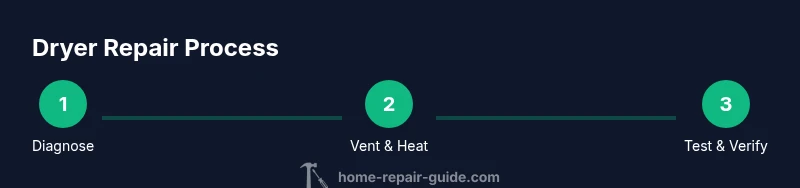
- Safety first: unplug and, if applicable, shut off the gas supply. 2) Check venting for blockages and lint—clean if needed. 3) Confirm electrical power at the outlet and test the drum rotation. 4) Inspect the door switch and belt. 5) Test heating with a voltmeter and verify thermostat operation. 6) Inspect thermal fuse and wiring connections. 7) Reassemble and run a test cycle. 8) Evaluate performance and decide if a professional should be consulted.
Cost, warranties, and knowing when to replace
Repair costs vary with the issue and parts availability, and a fixed dryer can be more cost-efficient than a brand-new unit, depending on age and energy efficiency. Check warranty coverage for components like belts and heating elements. If the dryer is older, has chronic issues, or energy performance is poor, replacement may be the better option in the long run. A professional evaluation can help you compare repair costs versus replacement options and decide what makes the most sense for your San Diego home.
Maintenance routines to extend life and efficiency
Regular maintenance prevents many problems. Clean the lint trap after every load and perform a quarterly vent inspection to ensure unrestricted airflow. Wipe lint and dust from interior components and check door seals for wear. Schedule annual professional inspections if you’re in a high-use household or if you notice persistent performance drops. These habits reduce energy use, extend lifespan, and help your unit run safely in San Diego’s climate.
San Diego-specific considerations: climate, building types, and codes
Building type (apartment, condo, single-family) affects access to the venting path and service constraints. Coastal humidity can contribute to rust and corrosion in metal components over time, so inspect the exhaust path and metal parts more frequently. Always follow local codes and permit requirements if you’re performing major repairs or replacing vent parts. Consider energy-efficient upgrades and proper vent installation to improve efficiency in San Diego homes.
When to call a professional in dryer repair san diego
If you encounter persistent heating issues, gas dryer concerns, or uncertain vent configurations, it’s wise to call a licensed technician. A professional can safely handle gas connections, verify vent integrity, and address complex electrical problems. For many homeowners, a professional diagnostic is a cost-effective way to prevent fires and ensure code compliance while preserving appliance value. The Home Repair Guide team notes that when in doubt, professional assessment is worth the investment.
Authoritative sources
Reliable dryer safety and repair guidance comes from established authorities. For safety standards and recommendations, consult the U.S. Consumer Product Safety Commission and the National Fire Protection Association. These sources provide essential fire prevention tips and general appliance guidance that complements hands-on home repair work. Always cross-reference with the manufacturer’s instructions for your specific model to ensure compatibility and safety.
Tools & Materials
- Multimeter(Used for electrical checks; ensure the unit is unplugged before testing.)
- Screwdrivers (Phillips and flat head)(For panel removal and belt inspection.)
- Nut driver or socket set(Tightens/loosens fasteners on access panels.)
- Pliers (needle-nose)(Grip small components and wires safely.)
- Vacuum with crevice tool(Clean lint and debris from the vent and interior.)
- Lint brush or vent-cleaning brush(Maintain vent efficiency and reduce fire risk.)
- Replacement parts (belt, thermal fuse, thermostat)(Only replace what diagnostics indicate is needed.)
- Safety gear (gloves, eye protection)(Protect hands and eyes during disassembly.)
- Dryer vent cleaning wand(Useful for deeper vent cleaning if accessible.)
Steps
Estimated time: 60-90 minutes
- 1
Power down and safety verification
Unplug the dryer from the wall outlet and, if you have a gas unit, shut off the gas supply. Confirm there is no power and no gas flow before touching any components. This prevents shocks and accidental ignition during inspection.
Tip: If you smell gas, leave the area and call a professional immediately. - 2
Inspect venting for blockages
Remove the vent hose from the back of the dryer and check the duct for lint buildup. Use a vent brush or vacuum to clear lint from the internal paths. Reassemble loosely to test airflow before closing up.
Tip: Blocked vents are a leading cause of long drying times and overheating. - 3
Check electrical connections and outlet side
Test the outlet with a multimeter to ensure it supplies voltage. Inspect the dryer's power plug and cord for damage. Loose connections can cause intermittent operation or arcing when powered.
Tip: Use a non-contact tester to confirm power is off before handling wires. - 4
Test door switch and belt condition
Open the dryer door and locate the door switch. Use a multimeter to confirm continuity when closed. If the belt shows signs of wear or is broken, replace it to restore drum rotation.
Tip: A worn belt is a common cause of no-drum movement. - 5
Assess heating system (electric or gas)
For electric dryers, test the heating element and thermostat with a meter to ensure proper resistance. For gas dryers, check the gas valve, igniter, and flame sensor with caution and only if you’re trained.
Tip: If you’re unsure about gas components, consult a licensed technician. - 6
Check thermal fuse and safety devices
Many heat issues originate from a blown thermal fuse. If you find an open fuse, replace it and reset any safety controls after confirming vent clearance and wiring integrity.
Tip: Thermal fuses are one-way safety devices; replacement should be exact and safe. - 7
Inspect blower wheel and motor mounts
Clean debris from the blower wheel and inspect motor mounts for wear or looseness. A blocked blower reduces airflow and heat distribution, harming performance.
Tip: Wear eye protection when removing and cleaning internal parts. - 8
Reassemble and run a test cycle
Carefully reattach all panels and reconnect the vent. Run a full cycle to verify heat, drum rotation, and airflow. Listen for unusual noises and monitor for leaks or odor.
Tip: Even a successful test run can hide slow issues; observe timing and temperature over multiple cycles.
FAQ
What are the most common dryer problems in San Diego homes?
Common issues include no heat, drum not turning, noisy operation, and extended drying times often caused by clogged vents, defective thermostats, or worn belts. A proper diagnostic approach helps distinguish simple fixes from parts replacements.
Most dryers in San Diego have heat or rotation issues caused by vents, belts, or switches; start with a vent clean and belt check.
Do I need a professional for gas dryer repairs?
Yes. Gas appliances involve combustion and gas lines; handling them without proper training can be dangerous. If you suspect a gas leak, odors of gas, or ignition problems, contact a licensed technician.
Gas dryers require a licensed pro for safe repair and gas-line work.
Can I fix a dryer vent myself?
Vent repair and cleaning can often be done by homeowners using proper tools. Ensure the vent path is clear and connections are secure to prevent fires and improve efficiency.
Yes, you can clean vents yourself, but be careful with ductwork and use proper protective gear.
How do I know when to replace instead of repair?
If the repair cost approaches or exceeds a significant portion of a new unit’s price, or the dryer is old and energy-inefficient, replacement may be the better option.
If repairs cost as much as a new unit, consider replacing.
What maintenance keeps a dryer running efficiently?
Regular lint removal, vent cleaning, door seal inspection, and periodic professional checkups help sustain efficiency and safety.
Keep vents clean and seals tight for best performance.
Are there San Diego-specific codes to follow?
Local codes vary; check building and safety guidelines for venting and installation, particularly in apartments and condominiums.
Check local codes or talk to a pro about building-specific requirements in San Diego.
Watch Video
Key Takeaways
- Diagnose vent and heat issues early
- Use a step-by-step safety approach
- Know when to call a pro for gas or uncertain problems
- Maintain vents and lint screens regularly to prevent fires
- Keep accurate records of repairs and parts