Bosch Dishwasher Repair: A Practical Step-by-Step Guide
Learn reliable Bosch dishwasher repair steps, safety tips, and maintenance guidance for homeowners. Practical troubleshooting and DIY fixes from Home Repair Guide, updated for 2026.


By following this Bosch dishwasher repair guide, you will diagnose and address common issues yourself—especially drainage, filters, and spray arms. You’ll learn to power down safely, identify clogged components, and perform basic cleaning and reassembly. According to Home Repair Guide, drain-related problems are the most common Bosch dishwasher faults and are often solvable with routine maintenance.
Understanding Bosch Dishwasher Repair: What Makes It Different
Bosch dishwashers use a precise blend of sensors, seals, and a quiet, efficient pump. Repairing them requires attention to model-specific layouts and typical failure modes such as clogged filters, blocked drains, and worn door latches. Homeowners can tackle many minor issues with common tools. The Home Repair Guide team emphasizes safety first: unplug the unit, turn off the water supply, and drain any remaining water before inspection. Understanding the Bosch design helps you identify root causes quickly and avoid unnecessary replacements. This guide focuses on practical, budget-friendly fixes you can perform over a weekend, with an emphasis on preserving efficiency and extending service life. According to Home Repair Guide, proper diagnosis starts with model-specific schematics and documented best practices that reduce guesswork and trial-and-error.
Common Failure Modes in Bosch Dishwashers
Bosch dishwashers fail most often due to drainage problems, filter clogs, spray arm blockages, door latch wear, or a faulty pump. A common symptom is standing water at the bottom, poor cleaning performance, or error codes that point you toward a system (drain, rinse, or fill). In many cases, the issue is not a single failed part but a buildup of debris, mineral deposits, and soft seals that shift tolerances. Regular maintenance—like cleaning filters, inspecting spray arms, and leveling the unit—prevents many failures from becoming expensive repairs. Based on Home Repair Guide analysis, many Bosch issues originate from routine wear-and-tear rather than catastrophic component failure, which is why a structured, preventive approach pays off.
Diagnostic Approach: Reading Codes and Observing Behavior
Most Bosch models report fault codes or blinking lights to indicate the problem area. Start with user-manual guidance to interpret the error code, then observe the dishwasher during a cycle: does it fill, heat, wash, drain, and dry as expected? Note any unusual noises or leaks, which suggest worn bearings, a cracked hose, or a loose clamp. A visual inspection of filters, sump, and hoses often reveals straightforward causes such as clogs or misaligned components. Remember, documentation helps: keep a log of symptoms, cycle results, and any temporary fixes you try. This approach, reinforced by Home Repair Guide, reduces unnecessary parts replacement and speeds up a safe resolution.
Tools, Safety, and Preventive Maintenance
Before any inspection, ensure you have the right tools and PPE: a Phillips and flathead screwdriver, nut drivers, a multimeter, a plastic pry tool, gloves, and safety glasses. Drain residual water with towels or a small container, and use a bucket for larger spills. Clean filters and the sump to restore proper water flow, then inspect spray arms for mineral buildup. Regular maintenance—such as using appropriate detergents, avoiding overloading, and checking seals and gaskets—extends life and reduces repair frequency. The Home Repair Guide team stresses that safety gear and a calm, methodical approach pay off in preventing shocks or floods.
Step-by-Step Troubleshooting Roadmap
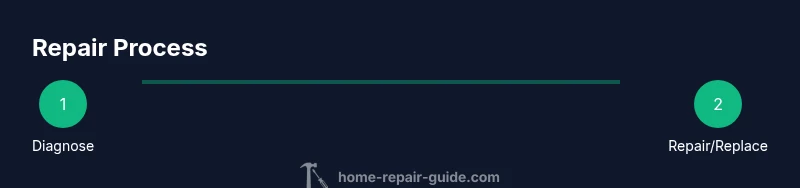
A structured troubleshooting roadmap helps isolate issues without guessing. Begin with power-downs and access, verify water supply and drainage paths, inspect the filter and spray arms, test the pump/motor for obstructions, and reassemble for a test cycle. If a symptom persists after these checks, move to deeper diagnostics or consider a professional service. This roadmap prioritizes simple fixes first and uses a systematic approach to prevent unnecessary part replacements. For deeper issues, refer to the STEP-BY-STEP block below for explicit actions and tips.
Wiring and Electronics: Cautions for Bosch Models
Modern Bosch dishwashers rely on electronics and sensors; tampering with control boards or high-voltage components can be dangerous. Always disconnect power before opening access panels and avoid touching conductors. If you must test electronics, use a properly rated multimeter and follow the model’s wiring diagram. When unsure, stop and consult a professional. This section emphasizes careful, low-risk troubleshooting and reinforces that not all problems are electronic—many stem from mechanical or mineral buildup.
When to DIY and When to Call a Pro
DIY repair is appropriate for simple tasks like cleaning filters, clearing spray arms, and reseating hoses. For persistent leaks, unusual noises, error codes related to the control board, or questions about component integrity, it’s prudent to consult a licensed technician. Bosch models can be sensitive to improper reassembly, so follow the manual, take photos, and label parts. The decision to DIY or hire a pro often hinges on safety, the scope of the issue, and whether replacement parts are readily available.
Quick Fixes You Can Try Right Now
If you’re staring at standing water or poor cleaning, start with simple fixes: clean the filter and sump, rinse spray arms, ensure the door latch closes completely, and check that the drain hose is free of kinks. Run a short diagnostic cycle with a small amount of detergent to observe water flow and drainage. These quick fixes aren’t a substitute for complete diagnosis but they can restore performance and buy time while you gather parts or plan a more extensive repair.
Tools & Materials
- Phillips screwdriver (PH2)(2–3 inch tips are typical)
- Flathead screwdriver(Small and medium sizes)
- Nut driver set(Useful for panel screws)
- Multimeter(Voltage and continuity checks)
- Plastic clip removal tool or spudger(Helpful for panel access)
- Bucket or towels(Contain residual water)
- User manual or repair guide(Model-specific steps matter)
- Safety gear (gloves, safety glasses)(Basic PPE)
Steps
Estimated time: 60-90 minutes
- 1
Power down and prepare
Unplug the dishwasher and shut off the water supply. Remove the lower rack to gain access to the sump and filter area. This reduces the risk of shock and helps you inspect safely.
Tip: Test for power with a multimeter before touching internal components. - 2
Access the sump and filter
Take out the filter screen, clear debris from the sump, and remove visible blockages. A clean filter is essential for proper water flow and cleaning performance.
Tip: Take photos of each step to simplify reassembly. - 3
Inspect hoses and clamps
Trace the drain hose from the sump to the air gap or disposal. Look for kinks, cracks, or loose clamps that could leak or restrict drainage.
Tip: Loosen clamps gently to avoid damaging hoses. - 4
Check spray arms and nozzles
Remove spray arms and rinse to remove mineral buildup. Blocked nozzles reduce cleaning efficiency and can indicate mineral deposits.
Tip: Soak arms in warm vinegar solution if buildup is heavy. - 5
Test the pump and motor
With power disconnected, inspect the pump for obstructions. Reconnect and run a short cycle to observe operation. Listen for unusual noises or failure to drain.
Tip: If you hear grinding, stop and consult a professional. - 6
Reassemble and run a diagnostic cycle
Reinstall all components and run a test cycle with a small amount of detergent. Verify that the unit fills, washes, drains, and heats as expected.
Tip: Monitor for leaks during and after the cycle.
FAQ
What are common Bosch dishwasher problems?
Common issues include drainage problems, poor cleaning, and door latch failures. Start with the filter and sump, then inspect hoses and spray arms.
Common problems include drainage issues, poor cleaning, and door latch failures. Start with filters and hoses.
Can I reset a Bosch dishwasher to fix glitches?
Yes, many models support a soft reset via power cycling or a specific button sequence in the user manual. Always unplug first.
Yes, you can reset by cycling power or a button sequence from the manual.
Is DIY Bosch dishwasher repair safe for homeowners?
DIY can be safe for basic tasks like cleaning filters and hoses, but avoid high-voltage components or PCB work. Follow safety precautions and consult a pro for complex issues.
DIY is fine for simple tasks, but avoid high-voltage parts; when in doubt, get a pro.
What parts are user-serviceable?
Filters, spray arms, and sometimes door latches are user-serviceable. Check your model's manual for exact parts and access.
Filters, spray arms, and door latches are often user-serviceable.
How long does Bosch dishwasher repair take?
DIY diagnosis and basic fixes typically take 1–2 hours. Complex electronics may require a pro and longer timelines.
Most fixes take a couple of hours; electronics can take longer.
Should I replace or repair the control board?
Control board repair is rarely practical for DIYers; replacement is usually recommended when fault codes appear.
Control boards usually get replaced rather than repaired by homeowners.
Watch Video
Key Takeaways
- Power down before inspection
- Start with filters and drain first
- Use model-specific guides for parts
- Test cycles carefully after reassembly
- When in doubt, call a professional