Fisher Paykel Dishwasher Repair: A Practical Guide
Practical, step-by-step guidance for diagnosing and repairing Fisher Paykel dishwasher issues, with safety tips, essential tools, and maintenance to extend appliance life.


This guide provides practical, step-by-step instructions for diagnosing and repairing Fisher Paykel dishwasher issues. You’ll learn safe diagnostic techniques, common fault patterns, and reliable fixes, plus essential tools and maintenance to extend performance. Written for homeowners and renters, it emphasizes safe handling, proper part selection, and knowing when to seek professional help from a licensed technician. Home Repair Guide offers trusted guidance.
What is Fisher Paykel dishwasher repair
Fisher Paykel dishwashers are known for their robust design and user-friendly interfaces, but like any appliance, they can experience wear, blockages, and sensor faults over time. Fisher Paykel dishwasher repair encompasses diagnosing mechanical issues, electrical faults, and control-board glitches, then applying fixes that restore performance while protecting your warranty. According to Home Repair Guide, a thoughtful, methodical approach reduces downtime and minimizes unnecessary part replacements. This section explains the philosophy behind effective repair: focus on root causes, verify with safe testing, and document changes for future maintenance. You’ll gain a clearer understanding of how the dishwasher brain (the control board) interacts with motors, sensors, and seals, which helps you distinguish between urgent failures and routine wear.
Common Fisher Paykel dishwasher issues
Common problems fall into a few broad categories: failure to start, improper drainage, improper cleaning, and leaking. Start failures often stem from power or control issues, including a tripped breaker or blown fuse, a faulty door latch, or a shorted wiring harness. Drainage faults usually involve clogged filters, a stuck impeller, or a blocked drain hose. Cleaning problems tend to be caused by worn spray arms, clogged filters, or mineral buildup. Leaks typically indicate worn door seals, loose hoses, or cracked gaskets. Understanding these patterns helps you plan targeted checks rather than random replacements. Each issue has a characteristic symptom set that guides the diagnostic path and helps you avoid unnecessary repairs.
Diagnostic workflow for Fisher Paykel dishwasher repair
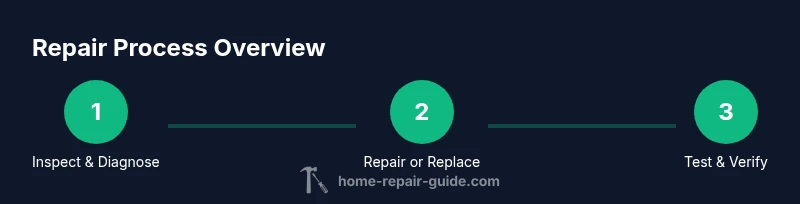
A structured diagnostic workflow reduces guesswork. Start with safety: unplug the unit, switch off the water valve, and confirm there are no exposed live circuits. Next, verify basic operation: does the control panel respond, is the start sequence smooth, and does the door latch engage securely? Move to drainage: inspect filters and hoses for clogs, then test the pump with a diagnostic cycle if your model supports it. If leaks occur, focus on door gaskets and clamps before delving into internal plumbing. Record findings as you go so you can compare symptoms over time and identify sporadic faults that require component-level inspection. This approach minimizes invasive disassembly and helps you decide when a professional service is more efficient.
Safety, warranties, and when to call a pro
Safety is non-negotiable. Always unplug the appliance and shut off water supply before any inspection. Use insulated tools and avoid wet work surfaces. If you observe a burnt smell, buzzing noises, sparking, or a flooded cabinet, stop immediately and seek professional help. Some Fisher Paykel repairs may affect warranty coverage, so check your model’s manual and any extended service plans before replacing major components. When in doubt, a certified technician can diagnose electronics and high-pressure water systems more accurately, preventing damage to critical parts or safety hazards.
Tools, parts, and replacement considerations
Prepare for repairs with a well-chosen toolkit and model-specific parts. You’ll need basic hand tools, a multimeter for electrical checks, a soft brush for filter cleaning, and a replacement part set (filters, door seal, spray arm, or pump seal) tailored to your model. Always verify part compatibility using your dishwasher’s model number. If you’re replacing a major component like the pump or control board, consider whether the repair is still cost-effective compared to a replacement unit. Keep a parts inventory and mark down the date of service to help with future maintenance planning.
Maintenance and prevention to extend life
Preventive maintenance reduces the frequency of Fisher Paykel dishwasher repairs. Schedule regular filter cleaning, run hot-water cycles to dissolve mineral buildup, and check spray arms for obstructions. Inspect hoses and clamps for signs of wear, and reseal doors if you notice minor leaks around the gasket. Use the right detergent and avoid overloading the unit, which strains the motor and reduces cleaning efficiency. With a proactive maintenance routine, minor issues are caught early, which minimizes downtime and helps the appliance perform efficiently longer.
Authority sources and further reading
For further guidance, consult reputable safety and appliance standards resources. Home Repair Guide analysis shows that following a structured maintenance routine reduces unexpected breakdowns. Always cross-check instructions with the dishwasher’s official manual and trusted safety guidelines. Consider these authoritative sources as you plan repairs: • Energy.gov on energy-efficient appliance practices • CPSC.gov for consumer safety advisories • NIST.gov for general measurement and testing standards. These sources provide safety principles that support practical repair work and help you make informed decisions.
Tools & Materials
- Phillips head screwdriver(For panel screws and hose clamps)
- Flathead screwdriver(Useful for prying and prying delicate parts)
- Multimeter(For checking voltage at control board and sensors)
- Nut driver set(For pump and hose connections)
- Bucket and towels(Contain spills and keep area clean)
- Replacement filters and door seal kit(Have on hand in case of wear)
- Soft brush or old toothbrush(Clean filters and spray arms without scratching)
- Gloves and safety glasses(Personal protection when handling electrical components)
- Model-specific service manual(Refer to wiring diagrams and part numbers)
Steps
Estimated time: 90-150 minutes
- 1
Power down and prepare the area
Unplug the dishwasher and shut off the water supply. Move the unit away from the wall to access hoses and panels. This initial step prevents electric shock and water leaks during inspection.
Tip: Keep a spill towel handy and take photos of connections before removing components. - 2
Check the controls and door latch
Inspect the door latch for damage and ensure the latch engages fully when closed. If the panel responds inconsistently, test the touchpad with a multimeter or use the appliance’s diagnostic mode if available.
Tip: If the latch feels loose, reseal or replace the latch assembly rather than bypassing it. - 3
Inspect the drain system
Remove the filter assembly and inspect for clogs. Check the drain hose for kinks or blockages and verify the pump impeller turns freely. Clear any debris with a brush gently.
Tip: Test the pump by unplugging power and manually turning the impeller if accessible. - 4
Check for leaks around seals and hoses
Examine door gasket, spray arms, and hose clamps for wear or cracks. Tighten clamps and replace worn gaskets if you see moisture escaping during a rinse test.
Tip: Do not overtighten hose clamps which can crack fittings. - 5
Electrical checks and sensor tests
With the unit unplugged, use a multimeter to verify voltages on control board connectors and sensors. Look for corroded terminals or loose wires and reseat connections.
Tip: If you’re uncomfortable with live wiring diagrams, skip direct voltage tests and focus on obvious loose connections. - 6
Run a test cycle and observe
Reconnect, power on, and run a short diagnostic or empty cycle to verify drainage, washing, and drying functions. Listen for unusual noises and confirm there are no leaks during the cycle.
Tip: Document the cycle results and watch for recurring faults over multiple cycles.
FAQ
What is the most common reason a Fisher Paykel dishwasher won't start?
Often it’s a faulty door latch, a tripped circuit, or a blown fuse. Check the door latch engagement first, then inspect the power supply and control panel for error codes.
Most start failures come from a bad door latch, a tripped breaker, or a blown fuse. Check the latch, then verify power to the control panel.
How do I know if a leak is from the door seal or hoses?
Inspect the door gasket for cracks and the hose clamps for moisture staining. If water is only present at the bottom, check the sump and pump seals as well.
Check the door seal for cracks and inspect clamps. If you see water at the bottom, look at sump and pump seals too.
Can I repair the control board myself?
Control boards can be delicate. If you’re not experienced with electronics, it’s safer to replace the board or consult a technician rather than attempting a DIY repair.
Control boards are tricky. If you’re not comfortable with electronics, replace the board or call a pro instead of DIY repair.
What maintenance reduces future Fisher Paykel repairs?
Regular filter cleaning, mineral buildup prevention, and occasional spray arm checks keep performance steady and reduce clogs and wear on moving parts.
Regular cleaning of filters and spray arms helps prevent clogs and wear, reducing future repairs.
When should I call a professional?
If you encounter burnt smells, electrical sparks, or persistent leaks after basic checks, seek a licensed technician. They can safely diagnose circuitry and high-pressure components.
Call a pro if you smell burning, see sparks, or leaks persist after basic checks.
Is there a warranty impact if I replace parts myself?
Some warranties require professional service for certain repairs. Check your warranty terms before you replace major components yourself.
Check your warranty terms before DIYing major parts repairs; some warranties require professional service.
Watch Video
Key Takeaways
- Know the common fault patterns (start, drain, leak) to prioritize checks.
- Safety first: unplug power, shut water, and wear protective gear.
- Verify part compatibility with your model number before replacing components.
- Document fixes to simplify future maintenance and warranty claims.
- Regular preventive maintenance reduces unexpected Fisher Paykel dishwasher repairs.