Service Garage Door Repair: A Practical Step-by-Step Guide
Learn to safely service garage door repair with our comprehensive, step-by-step guide. From tool lists to common fixes and safety tips, Home Repair Guide shows homeowners how to diagnose problems and perform durable repairs.


According to Home Repair Guide, you can safely approach service garage door repair by following a clear plan. This quick answer outlines the core goal, required tools, and the essential steps, plus safety cautions and signs you should call a pro. You’ll learn how to inspect springs and cables, test sensors, and lubricate moving parts to restore function without creating new hazards.
Before You Begin: Safety and Planning
If you’re considering a service garage door repair, start with a safety-first mindset. Garage doors are heavy and the components—springs, cables, tracks—can cause serious injury if mishandled. Ensure the space is clear of bystanders, disconnect the opener from power, and keep your workstation well lit. This phase also covers setting realistic expectations: not every issue requires full replacement, and some fixes can be completed with basic tools. As you plan, record the door's symptoms (noise, speed, failure to stay put) and note when problems started. According to Home Repair Guide, a calm, organized approach reduces mistakes and speeds up diagnosis while protecting you from hazards.
Common Garage Door Problems and Quick Diagnostics
Most homeowners encounter issues that fall into a few predictable categories: misaligned tracks, worn rollers, weak or broken springs, faulty safety sensors, and opener malfunctions. Start with a visual inspection: look for obvious gaps in tracks, bent rails, or loose screws that hold tracks in place. Listen for grinding or squeaking noises that point to dry hinges or worn bearings. If the door behaves unevenly or drifts, it often indicates balance issues or worn counterweights. Home Repair Guide analysis shows that wear on springs and misalignment of tracks are the leading culprits behind many service garage door repairs; addressing these areas early can prevent bigger failures.
Tools, Parts, and Safety Gear You'll Need
Having the right tools on hand makes repairs safer and more efficient. Essential gear includes a sturdy ladder, safety glasses, a power drill with screwdriver bits, and a socket/wrench set. A flashlight helps you inspect tracks and rollers in dim corners. Lubricants (silicone spray or light white lithium grease) keep hinges, rollers, and tracks functioning smoothly. Optional items like replacement rollers, hinges, or track spacers are worth having if wear is evident. Note that some tasks, especially spring work, require professional training and specialized tools; do not improvise those parts. For safety, wear eye protection, keep hands away from pinch points, and never place your body under a door supported by springs.
Step-by-Step Overview: What to Check First
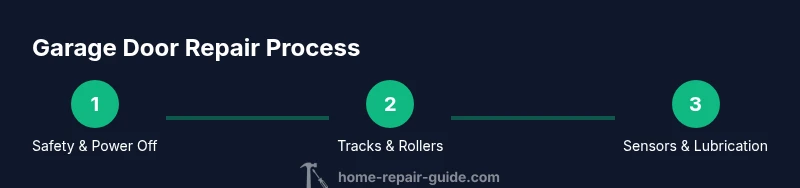
Start by cutting power to the opener and securing the door so it cannot move unexpectedly. Verify that the door remains in place when manually lifted halfway; a door that falls or rises indicates balance or spring issues that must be handled with care. Inspect tracks for alignment and any dents or obstructions. Check rollers for wear, and ensure screws are snug in the brackets. Finally, test the safety sensors by blocking the beam momentarily to see if the door reverses properly. This overview helps you decide whether a DIY approach is feasible or if professional help is the safer route.
Troubleshooting Common Scenarios and Decisions
If the door is noisy but moves smoothly, you likely need lubrication and minor hinge adjustment. If the door stalls or reverses unexpectedly, sensor alignment or track binding could be the cause. A door that drifts downward when released signals balance issues or weak springs; never attempt to tension springs yourself. In scenarios where parts show visible wear—cracked rollers, bent tracks, or frayed cables—plan for replacement or call a pro. Recording these observations will help you communicate clearly with a technician if you opt for professional service.
Maintenance and Safety Best Practices for Long-Term Durability
Regular maintenance reduces the likelihood of sudden failures. Schedule monthly quick checks: wipe tracks, verify hardware tightness, and apply lubricant to moving parts. Test the door’s balance quarterly by lifting manually and ensuring it stays in place. Clean the sensors and remove any obstructions that could confuse the opener. When performing DIY tasks, document what you did and keep a log of wear patterns to anticipate future replacements. The Home Repair Guide team emphasizes safety and planning as the foundation of durable, affordable garage door care.
Tools & Materials
- Safety glasses(Eye protection at all times)
- Sturdy ladder(Stable footing, fully opened)
- Socket wrench set(Metric and standard sizes)
- Screwdrivers (Phillips and flathead)(For hinges, brackets, and small fasteners)
- Cordless drill(With screwdriver bits; charged before use)
- Lubricant (silicone spray or light grease)(Apply sparingly to hinges, rollers, and tracks)
- Replacement rollers/hinges (optional)(Only if wear is evident)
- Spring winding bars (optional, for trained professionals)(Only for trained personnel; dangerous if misused)
- Work flashlight(Extra lighting for tracks and springs area)
Steps
Estimated time: 60-90 minutes
- 1
Power down and secure the door
Unplug the garage door opener or switch off at the wall. Confirm the door cannot move by manually stabilizing it with a partner helping hold it in place. This prevents sudden movement during inspection.
Tip: Double-check the opener is unplugged before touching any moving parts. - 2
Test balance manually
With power off, lift the door to about halfway and release. If it falls, springs or balance components need professional adjustment. Do not try to re-tension springs yourself.
Tip: Have a helper to hold the door steady while you assess balance. - 3
Inspect tracks and brackets
Look for bending, dents, or misalignment in left and right tracks. Tighten screws in brackets, and remove any debris that could hinder movement. Do not force misaligned tracks back into place.
Tip: Use a rubber mallet lightly if a small nudge is needed, never hammer tracks. - 4
Check rollers and hinges
Rollers should spin freely with minimal resistance. Replace worn or cracked rollers and tighten hinge screws. Lubricate hinges lightly after cleaning to reduce squeaks.
Tip: Avoid over-lubricating; excess oil can attract dust and cause buildup. - 5
Test safety sensors
Block the beam briefly with an obstacle (a box, for example) and verify the door reverses. If the test fails, realign the sensor eyes or clean the photodiodes.
Tip: Keep the sensor lenses clean and free from moisture. - 6
Lubricate moving parts
Apply a light film of silicone spray on tracks, hinges, rollers, and pivot points. Wipe away any excess to prevent grit accumulation. Avoid spraying on torsion springs themselves.
Tip: Lubricate every 3-6 months or when you notice stiffness. - 7
Test door operation with opener
Reconnect power and test the door using the opener. Listen for unusual noises and observe smooth movement. If any issue persists, stop and reassess before proceeding.
Tip: If the door binds or stalls, power down again and recheck for misalignment. - 8
Decide on next steps
If you encounter persistent issues with springs, serious misalignment, or sensor failures, schedule a professional evaluation. Do not attempt complex spring work without training.
Tip: Document symptoms and parts inspected to share with a tech.
FAQ
What are the common signs that garage door repair is needed?
Grinding noises, slow response, door that won’t stay up or drifts down are typical indicators. Visual wear on tracks or cables also signals maintenance is due.
Look for grinding sounds, slow operation, or the door drifting while open; visible wear on tracks or cables also means repairs are needed.
Can I replace garage door springs myself?
Springs are under high tension and can cause serious injury. DIY spring replacement is not recommended; hire a trained professional.
Spring replacement is dangerous; it’s best to call a professional.
Is it safe to lubricate the tracks and hinges?
Yes, use a silicone-based spray or light grease on moving parts. Wipe away excess to prevent dirt buildup, and avoid lubricant on springs.
Lubricate tracks and hinges with a silicone spray, but don’t overdo it and avoid springs.
How long does a typical repair take?
Minor tune-ups can take under an hour; more involved tasks like track realignment or part replacement may take longer.
Most small fixes take under an hour; bigger tasks may take longer depending on parts.
When should I consider replacing the entire door?
If the door is old, structurally compromised, or frequently needing repairs, replacement may be more cost-effective and safer overall.
If the door is aging or repeatedly failing, consider replacement.
What maintenance helps prevent future repairs?
Regular lubrication, sensor checks, and tightening hardware can extend life and reduce breakdowns.
Keep up with lubrication, sensor tests, and tightening screws to prevent future issues.
Watch Video
Key Takeaways
- Inspect safety features before any DIY repair
- Differentiate between simple fixes and dangerous components
- Align tracks and lubricate parts for smoother operation
- Know when to call a professional for springs or wiring