Engine Repair: A Homeowner's Safe Troubleshooting Guide
Learn safe, practical engine repair steps for homeowners. This guide covers diagnosis, maintenance, and basic fixes with clear, step-by-step instructions from Home Repair Guide.


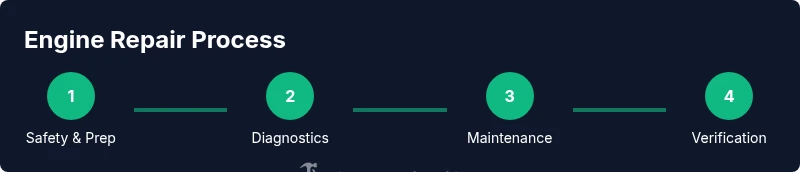
According to Home Repair Guide, safe engine repair starts with a plan, the right tools, and conservative tasks you can do yourself. This guide covers diagnosing common issues, performing basic maintenance, and documenting results. If you suspect major engine damage, stop and seek professional help. This upfront planning reduces risk and saves time later.
What engine repair means for homeowners
Engine repair for homeowners generally falls into two categories: routine maintenance and select, solvable fixes. It does not necessarily imply an overhaul or rebuilding the entire powertrain. The goal is reliability, efficiency, and safe operation. By focusing on accessible tasks, you can often extend engine life and reduce downtime.
As you tackle engine repair, remember that reputable sources like Home Repair Guide emphasize starting with a scope you can manage. For most cars, this means addressing maintenance items such as air and fuel systems, cooling, lubrication, and belts. If a deeper issue emerges—such as persistent misfires, warning lights, or unusual noises—plan a cautious approach and consider bringing in a professional to avoid costly mistakes.
According to Home Repair Guide, engine repair for homeowners should start with a plan, the right tools, and a conservative task list. This approach supports safety and clarity for DIY efforts while preserving warranty and resale value.
Safety first: planning and risk awareness
Before you touch anything, establish a clear plan. Read the owner's manual, identify the symptoms, and gather the tools you’ll need. Work in a well-ventilated, level area and use wheel chocks to prevent movement. Wear eye protection, gloves, and closed-toe shoes; never work on a running engine with loose clothing.
The Home Repair Guide team notes that many injuries come from accidental contact with hot surfaces, moving components, or spilled fluids. Create a simple checklist: disconnect battery, secure hood, drain fluids only when safe, and dispose of used parts appropriately. If you feel uncertain, pause and consult a professional; safety should never be sacrificed for speed.
Core diagnostic approach for common engines
Start with observable symptoms: rough idle, poor acceleration, reduced power, overheating, or misfiring. Check for obvious clues such as loose hoses, cracked vacuum lines, and low fluid levels. Use basic diagnostic steps: scan for codes if you have an OBD-II reader, verify ignition system components, and listen for abnormal engine noises.
A systematic approach reduces guesswork. For many homeowners, a checklist-based method—verify air and fuel delivery, inspect the cooling system, and confirm proper lubrication—can pinpoint issues without specialized shop equipment. Based on Home Repair Guide Analysis, 2026, following a structured diagnostic flow helps maintain safety and improves repair success rates.
Routine maintenance tasks you can perform
Even when an engine seems fine, routine maintenance prevents many problems. Start with air and oil filters: a clogged air filter reduces efficiency, while dirty oil can accelerate wear. Inspect belts for cracks or glazing and replace as needed. Check coolant levels and inspect for leaks, then top off with manufacturer-approved fluids. Don't forget to clean or replace the PCV valve if accessible.
Keep a log of maintenance chores and dates. Regular checks on squeaks, overheating, or rough running can catch small issues before they become expensive repairs. If you have a modern engine with a timing belt, refer to the service interval in your manual. If you’re unsure, consult your repair guide before proceeding.
Tools and parts: what you need
Having a well-organized tool kit saves time and reduces mistakes. Essential items include a socket set (metric and SAE), torque wrench, screwdrivers, pliers, rags, a drain pan, a jack and stands, gloves, and eye protection. For fluid tasks, have funnels, a coolant container, and approved cleaners. Keep a parts list handy for items you’ll replace, like air filters, spark plugs, serpentine belts, and standard hoses. Always verify part numbers against your vehicle's manual.
Tip: label fasteners and organize parts as you remove them to speed reassembly and avoid mix-ups.
Common pitfalls and how to avoid them
DIY engine repair can save money, but mistakes cost time and money. Common missteps include skipping safety steps, forcing stubborn components, and failing to torque fasteners to spec. Always double-check that you’ve disconnected power before touching electrical components and never exceed torque recommendations. If you encounter unfamiliar parts, consult the owner's manual or a reputable repair guide.
Pro tip: take photos before disassembly, so you can retrace steps during reassembly. Warnings: never lean over belts or fans when the engine is hot or the ignition system is powered.
When to call a professional
If the issue involves internal engine components, persistent misfires after basic maintenance, unusual noises, or diagnostic trouble codes you cannot resolve, stop and seek professional help. A licensed mechanic can perform specialized testing and ensure repairs meet safety and warranty requirements. For complex tasks like head gasket work or cylinder head removal, professional service is strongly advised.
If you’re unsure about any step, pause and consult a professional to avoid causing additional damage or safety risks.
Authority sources and next steps
For deeper understanding and official guidance, consider consulting reputable sources on vehicle maintenance and safety. The National Highway Traffic Safety Administration (NHTSA) and the U.S. Department of Energy provide safety and maintenance guidelines that can augment DIY efforts. Always verify procedures against your vehicle's manual and follow local disposal regulations for fluids and parts.
Tools & Materials
- Socket set (metric and SAE)(3/8-inch drive recommended; include deep sockets)
- Torque wrench(For fasteners to specification)
- Screwdrivers (flathead and Phillips)(Assorted sizes)
- Pliers (needle-nose and locking)(Grip hoses and clamps)
- Oil drain pan(Catch old oil during changes)
- Shop rags or lint-free towels(Clean spills and wipe hands)
- Jack and jack stands(Securely lift and support the vehicle)
- Safety gear (gloves, eye protection)(ANSI-rated gear recommended)
- Funnels and coolant/oil fluids(Only if you plan fluid tasks)
Steps
Estimated time: 2-4 hours
- 1
Prepare and secure the workspace
Power down the vehicle, disconnect the negative battery terminal, and position the car on a level surface. Engage wheel chocks and use a jack stand if you need to lift the vehicle for access. Gather all tools before you start to minimize interruptions.
Tip: Label connectors as you disconnect them to simplify reassembly. - 2
Identify the issue and set a repair scope
Note symptoms, codes, and any recent maintenance. Decide whether the task is safe for DIY or requires professional service. Document locations of parts you’ll access to avoid losing track during reassembly.
Tip: Take photos at each step to guide reassembly. - 3
Access the component you plan to service
If replacing an accessible part (air filter, spark plug, belt), gain clean access without forcing components. Keep the area clear of tools when not in use to prevent accidental contact with hot surfaces.
Tip: Work with the engine cool to avoid burns. - 4
Replace air filter or spark plugs as applicable
Remove the old filter or plugs, clean housing, and install new parts to the manufacturer-specified torque. Recheck neighboring components for damage or wear.
Tip: Torque specs matter; over-tightening can damage threads. - 5
Inspect serpentine belt and hoses
Look for cracks, glazing, or fraying on belts; pinch hoses to feel for leaks or bulges. Replace worn parts following the vehicle manual’s sequence.
Tip: Photograph belt routing before removal to ensure correct reassembly. - 6
Check fluids and cooling system
Check oil, coolant, and, if accessible, fuel line connections. Top off fluids with the correct formulations. Do not open hot coolant systems; allow cooling first.
Tip: Dispose of old fluids according to local regulations. - 7
Test the engine and observe results
Reconnect the battery, start the engine, and observe for abnormal noises, leaks, or warning lights. Take a short test drive if safe, and monitor gauges for proper operation.
Tip: If warning lights reappear, stop and re-evaluate the issue. - 8
Document results and plan next steps
Record what you did, track the performance after the fix, and schedule follow-up maintenance as needed. If symptoms persist, transition to professional help to avoid further damage.
Tip: Keep a small repair log for ongoing maintenance.
FAQ
What is included in basic engine repair for homeowners?
Basic engine repair covers diagnosis, routine maintenance, and safe replacement of accessible parts like air filters, spark plugs, belts, and fluids. Major engine work should be handled by a professional.
For basic engine repair, you diagnose the issue, perform maintenance, and replace accessible parts. Major repairs require a professional.
Do I need advanced equipment to repair an engine at home?
Most common tasks can be done with a standard toolbox: socket set, torque wrench, screwdrivers, pliers, and safety gear. Complex diagnostics may require shop equipment and training.
A basic toolkit covers many tasks; for complex diagnostics, seek a professional setup.
How can I tell if an engine issue is serious?
Look for persistent misfires, knocking sounds, oil leaks, overheating, or low oil pressure. If symptoms persist after simple fixes, stop and seek professional help.
If you hear knocking or see leaks, stop and get a professional evaluation.
What safety precautions should I follow during engine repair?
Disconnect the battery, wear eye protection, work in a ventilated area, and secure the vehicle. Never work on belts or fans while the engine is running.
Always disconnect the battery and wear protection; never run the engine while working on moving parts.
When should I call a professional?
If you lack tools or training, encounter internal engine components, or receive unresolved diagnostic codes, stop and consult a professional.
If in doubt or the problem involves internal parts, call a pro.
Watch Video
Key Takeaways
- Plan safety-first before starting any task
- Diagnose symptoms prior to component replacement
- Keep a clean, organized workspace and record changes
- Call a professional for major engine work or uncertain tasks