Bike Shop Repair: Step-by-Step Guide for Home Mechanics
Learn how to perform common bike shop repair tasks at home with a basic toolkit. This educational guide covers brakes, gears, tires, and safety to help homeowners and renters maintain reliable bicycles without frequent shop visits.


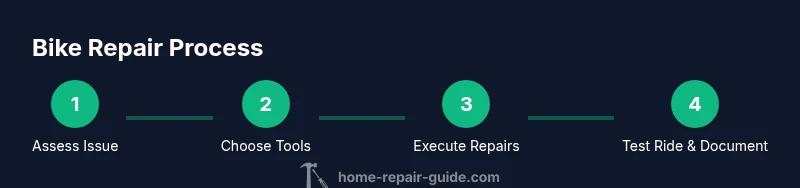
With this guide, you will learn how to perform common bike shop repair tasks at home using a basic toolkit. You’ll diagnose brake rub, gear misalignment, tire punctures, and worn chains, then perform durable fixes. This approach keeps costs down and builds confidence without needing professional shop visits.
Why DIY bike repair matters
DIY bike repair saves money and builds understanding of how your bike works. According to Home Repair Guide, tackling common issues at home reduces shop trips while improving confidence and riding reliability. In bike shop repair terms, you’ll learn to diagnose brake rub, gear misalignment, tire punctures, and worn chains, then address them with a methodical, repeatable approach. This setup helps you maintain your bicycle between visits and prevents small problems from becoming costly failures. Embracing home repair also empowers you to ride more often because you’re equipped to handle routine maintenance with a trusted, methodical process.
Essential tools and workspace setup
A clean, organized workspace with a dedicated surface makes bike shop repair approachable. Start with a stable repair stand, a padded mat, and bright lighting. Gather basic tools: a metric hex key set, tire levers, a floor pump with gauge, a chain tool, a spoke wrench, cable cutters, and a small torque wrench if available. Keep lubricants, rags, and a repair manual within reach. Label fasteners and take photos before disassembly to simplify reassembly. This setup helps you perform accurate repairs and reduces the chance of lost parts or misaligned components.
Common bike issues and quick diagnostics
Not every ride problem requires a trip to the shop. Learn to reproduce the symptoms: ride feel, braking, gear changes, and wheel behavior. For example, brake rub can indicate a misaligned brake caliper or warped rotor, while gear skipping often points to a misadjusted derailleur or worn chain. A wobbling wheel might be a loose axle, loose spokes, or a out-of-true rim. By inspecting the tires for cuts and bead seating, you can decide if you need patching, tube replacement, or a tire swap. Document what you observe so you can follow a consistent repair flow.
Brake system fundamentals and fixes
Brake performance is a safety hinge for bike shop repair. Start by checking pad wear, rotor or rim condition, and alignment. For rim brakes, inspect pad contact and replace pads when they are thin or contaminated. Align calipers so both pads contact the rim evenly as you pull the brake lever. For disc brakes, inspect rotor runout with a caliper and replace pads if contaminated or worn. Bleeding hydraulic brakes is not always beginner-friendly; for most riders, replacing pads and ensuring proper lever feel is a solid starting point. Re-bleeding should be done with a quality kit and, if in doubt, seek professional help. Always test brake responsiveness at low speed before riding outdoors.
Shifting and drivetrain maintenance
Drivetrain reliability depends on proper derailleur adjustment, chain wear, and cable tension. Start by checking chain wear with a simple wear gauge; replace chain if stretch exceeds manufacturer specs. Index the gears so that each shift is crisp and repeatable. Adjust the high and low limit screws, then fine-tune cable tension with the barrel adjuster until shifts are smooth across the cassette. Clean the chain and derailleurs to remove grit that accelerates wear, and apply a light lubricant to moving parts after cleaning. If you notice persistent slipping or poor indexing, inspect the derailleur pulleys and alignment.
Tire and wheel care
Tires are your bike's most vulnerable interface with the road, so inspect for cuts, sidewall bulges, and proper seating. Check tire pressure according to the label on the tire sidewall and adjust with a floor pump that has a gauge. Fix the tube or patch punctures carefully, and consider tubeless setups if your bike is compatible. True wheels if you notice lateral wobble: spokes might be loose or broken, and rotor or hub spacing could require adjustment. Regular cleaning of rims and brake surfaces extends life and improves performance.
Safety checks and alignment
After each repair, perform a quick safety check before a test ride. Spin the pedals to test chain tension, check wheel true, and ensure quick-release skewers are secure. Verify that the gears index correctly in all gears, and confirm that brakes stop uniformly without rubbing. If any component feels off, recheck torque specs and alignment. Document maintenance so you can spot trends and plan future work.
When to seek professional help
Some tasks exceed basic home repair, such as major frame damage, complex hydraulic brake bleeding, fork or shock servicing, or severe wheel truing. If you’re unsure about a diagnosis, or if a repair involves risky adjustments, it’s safer to contact a bicycle mechanic or bike shop for a precise evaluation. Even skilled DIYers benefit from periodic shop visits to replace worn parts and verify system integrity. Don’t hesitate to book a diagnostic check when in doubt.
Maintenance plan and preventive care
Create a simple maintenance schedule that fits your riding frequency. Plan weekly checks for tire pressure and chain lubrication, monthly inspections for brake pads and cables, and quarterly hub and headset checks. Keep a small notebook or digital log of maintenance, part replacements, and ride conditions. Stock up on essential spare parts and set reminders for replacements before parts wear out. A proactive approach reduces the risk of costly repairs and keeps your bike performing reliably for years.
Tools & Materials
- Bike repair stand(Stable mount to hold the bike while you work)
- Tire levers(Plastic levers; avoid metal wrecking rims)
- Spare inner tube or patch kit(Choose size/type to match wheel)
- Floor pump with gauge(Monitor psi accurately)
- Chain tool (master link plier, chain breaker)(For chain removal and length adjust)
- Metric hex key set (2-8 mm)(Common bolts on most bikes)
- Spoke wrench(Use for truing wheels)
- Cable cutters(Cut cables cleanly without fraying)
- Torque wrench(Helpful for critical bolts)
- Bike chain lubricant (light)(Wipe away excess after application)
- Cleaning rags(Keep components clean)
- Gloves (nitrile or work gloves)(Protect hands)
Steps
Estimated time: 60-90 minutes
- 1
Set up workspace and gather tools
Clear a stable area, set up the repair stand, place a mat, and lay out all tools. Confirm the bike is secure and easily accessible from all sides. This reduces accidents and makes every action precise.
Tip: Arrange tools in order of use and keep a spare fastener tray nearby. - 2
Verify the issue with a quick test
Take a short ride or simulate braking and shifting to confirm the symptoms. Note exact noises, rubs, or misalignments. This confirms what parts to inspect first.
Tip: Document symptoms with photos or notes for reference. - 3
Secure the bike on the repair stand
Position the frame in the stand so the area you’re working on is easily accessible. Check that the bike won’t tip or shift during adjustments.
Tip: Double-check clamp grip and avoid overtightening. - 4
Remove wheels or components as needed
If fixing a tire, remove the wheel carefully and deflate if necessary. When addressing brakes or derailleur, remove the relevant parts with care to avoid misalignment.
Tip: Keep track of each part’s orientation for reassembly. - 5
Perform the repair or replacement
Follow a clear sequence for your chosen repair—pad replacement, derailleur adjustment, or tire patching. Ensure you meet manufacturer torque specs where applicable.
Tip: Never force components beyond their travel or alignment. - 6
Reassemble and re-check alignment
Reinstall wheels, realign calipers or rotors, and re-torque bolts to spec. Recheck derailleur indexing and rotor runout before testing again.
Tip: Use the barrel adjuster to fine-tune shifting if needed. - 7
Test ride and fine-tune
Take a cautious test ride in safe conditions. Listen for rubbing, rubbing, or poor shifts, and adjust as needed until performance is smooth.
Tip: Break in new pads gradually and avoid high-speed tests on busy roads. - 8
Clean up and perform preventive care
Wipe down components, apply a light lubricant to the chain, and log what you did. Put tools away neatly to maintain a ready workspace for next time.
Tip: Record maintenance dates and planned future checks.
FAQ
What is the most essential tool for bike repair?
A sturdy hex key set and a repair stand are among the most essential tools for home bike repair. They enable precise adjustment and secure mounting, making most tasks manageable.
A solid hex key set and a reliable repair stand are the essential starting tools for home bike repairs.
How often should I lubricate my bike chain?
Lubricate the chain every few rides in dry conditions or after cleaning. Wipe off excess lube to prevent dirt buildup; apply sparingly to the inner plates.
Lubricate the chain every few rides and wipe off excess lube after applying.
Can I fix flat tires at home?
Yes. Most flats can be repaired at home using tire levers, a patch kit or spare tube, and a pump. If the puncture is in the bead or tubeless setup, you may need additional steps.
Yes, most flats can be repaired at home with levers, a patch kit or spare tube, and a pump.
How do I know if my brakes need replacement?
Check pad wear, rotor or rim condition, and lever feel. Replace pads when they’re thin or contaminated; consider professional help for rotor wear or hydraulic bleeding.
Check pad wear and rotor condition; replace pads when worn, and seek expert help for rotor issues.
Is wheel truing dangerous?
Wheel truing is not inherently dangerous, but improper tensioning can lead to spoke failure. If you’re unsure, practice on a spare wheel or seek guidance from a pro.
Wheel truing is doable with care, but wrong tensioning can damage spokes—consider guidance if unsure.
When should I take my bike to a shop?
Take the bike to a shop for major frame issues, complex hydraulic work, or persistent drivetrain problems beyond basic adjustments. Routine maintenance is often feasible at home with proper tools.
If it’s a major issue or you’re unsure, a shop visit is the safest option.
Watch Video
Key Takeaways
- Inspect before riding and document symptoms.
- Use proper torque and alignment for safety-critical parts.
- Build a simple, repeatable repair workflow.
- Maintain a proactive maintenance schedule.