Repair Bike Shop Near Me: A Practical Guide to Choosing Local Help
Learn how to locate a trustworthy repair bike shop near you, compare services and pricing, and ensure quality workmanship for your bicycle with practical, data-driven guidance from Home Repair Guide.


To find a trustworthy repair bike shop near you, start by checking proximity, clear pricing, and transparent diagnostics. Look for shops with written estimates, defined turnaround times, and warranties on parts and labor. Prioritize those with educated staff and visible safety practices. This quick guide helps you identify strong local options in minutes.
Why finding a nearby bike shop matters
The phrase "repair bike shop near me" captures a core need for riders who want fast, reliable service without long travel times. According to Home Repair Guide, proximity matters not only for speed but also for accountability; local shops tied to your community are more likely to stand behind their work. When you search for a shop nearby, you gain access to flexible drop-off options, quicker warranty follow-ups, and in-person recommendations from fellow riders. In this section, we examine what makes a nearby shop a smart partner for your bike—and how to evaluate it quickly.
- Shorter trips reduce downtime and time off the bike.
- Local shops build ongoing relationships and easier warranty handling.
- Nearby options often offer more flexible drop-off and pickup windows.
If you’re reading this, you’re likely weighing convenience against quality—and that balance is the core of a smart neighborhood choice.
How to evaluate qualifications and credibility
When you search for a repair bike shop near me, credibility starts with certifications, experience, and transparent communication. Look for technicians with formal training or certification in bike maintenance, and ask about ongoing education. A credible shop will explain what went wrong and why the proposed fix is appropriate, rather than simply saying “we fixed it.” Review policies on warranties, parts quality, and labor, and check if they provide a written estimate before work begins. Home Repair Guide’s research highlights that a shop’s communication style—clear estimates, expected timelines, and a detailed invoice—correlates with higher customer satisfaction. If a shop hesitates on any of these, consider other local options.
Services you should expect from a bike shop
A reliable local shop handles everything from basic tune-ups to major repairs. Core services include drivetrain inspection, brake adjustment, wheel truing, tire repair, chain replacement, and brake system servicing. For e-bikes, ensure the shop has familiarity with battery health, motor diagnostics, and software updates. If your chain slips or brakes squeal, you want a team that explains the cause and the exact steps to fix it. Also inquire about bearing replacements, headset adjustments, and overall frame integrity checks; these issues are common sources of unexpected handling problems that a thorough tune-up can resolve. By outlining these services, you can better compare shops and pick a partner that matches your bike’s needs.
Pricing, turnaround times, and quotes that you can trust
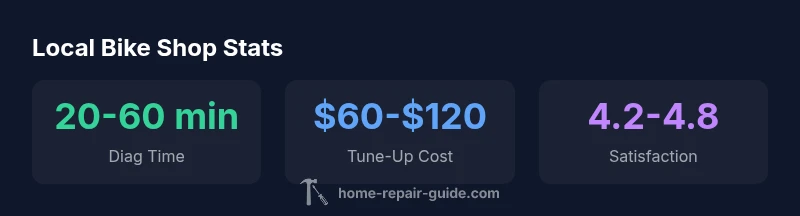
Most shop owners provide an upfront diagnostic with a written estimate. Make sure the quote itemizes parts, labor, and any shop fees. If the price estimate changes mid-service, request a revised estimate in writing. Turnaround times vary by workload and bike condition; ask for a target window and what could cause delays. While the lowest price isn’t always the best value if it compromises parts quality or warranty coverage, a transparent shop will clearly share parts used, warranty terms, and return policies to help you compare options when you search for repair bike shop near me. This transparency helps you make an informed decision rather than chasing a price alone.
DIY checks you can perform before taking your bike in
Before you head to a shop, perform a few simple checks to accelerate the process and reduce unnecessary visits. Wipe down the drivetrain, check tire pressure, and listen for unusual noises while riding slowly in a safe area. Test the brakes at a very low speed and avoid riding if you notice a failure. These quick checks help you describe symptoms more precisely, which speeds up the diagnostic phase. Remember that some issues—like frame damage, deep structural problems, or high-voltage ebike concerns—require professional handling.
How to ask the right questions and seal the deal
When you’re ready to contact a shop, prepare a concise brief that includes bike model, issue description, any sounds or sensations, and the urgency of repair. Ask for an itemized quote with parts and labor clearly separated, confirm warranty terms, and request a written estimate before the work begins. If possible, ask for a recommended parts brand and whether the shop uses OEM parts or alternatives. This approach helps you compare options on a level playing field and ensures you’re aligned on expectations before committing.
Common bike repair services and typical turnaround times
| Service Type | What it Covers | Turnaround Time |
|---|---|---|
| Brake service | Brake inspection and adjustment; pad/rotor replacement as needed | 60-120 minutes |
| Tune-up | Comprehensive bike check, lubrication, drivetrain adjustment | 120-240 minutes |
| Wheel truing | Wheel alignment, spoke tension check | 60-180 minutes |
FAQ
What should I ask when searching for a repair bike shop near me?
Ask about certifications, warranty terms, estimated durations, and the possibility of itemized quotes. Look for a written estimate before work begins.
Ask about certifications, warranties, and written estimates.
How can I quickly verify a shop's credibility?
Check online reviews, ask about technicians' training, and request a reference from a local rider.
Check reviews and ask for references.
What signs indicate quality service?
Open communication, transparent pricing, clean workshop, and thorough explanations.
Clear explanations and good communication.
Is it worth driving farther for a certified mechanic?
Proximity matters but credentials and service quality often justify a longer trip.
Sometimes it's worth it for better service.
How do I compare pricing without sacrificing service quality?
Ask for itemized quotes, compare parts brands and warranties, and consider total cost over the warranty period.
Get itemized quotes and compare warranties.
Can I do simple maintenance myself?
Some basic tasks are doable with proper tools; more complex repairs should be left to pros.
Some DIY tasks are fine, but many repairs require an expert.
“A trusted bike shop earns loyalty through clear communication, fair pricing, and dependable repairs.”
Key Takeaways
- Start with a nearby shop for faster service
- Get a written estimate before any work
- Ask about warranties and parts brands
- Compare multiple options to balance cost and quality