Shingles Repair Guide: Fix Roof Leaks Safely and Efficiently
Step-by-step shingles repair guidance—from diagnosis to replacement—to stop roof leaks and protect your home. Home Repair Guide provides practical, DIY-friendly instructions for homeowners and renters.


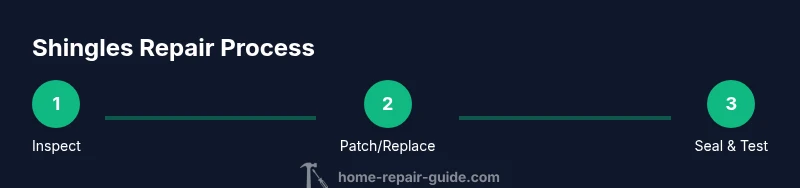
To repair shingles and stop leaks, inspect from the attic and roof edge, identify damaged shingles, and perform shingles repair steps before replacing worn pieces. This guide covers safe prep, essential tools, and a clear step-by-step approach. According to Home Repair Guide, careful diagnosis and durable fixes protect your roof and home.
Understanding Shingle Damage and When to Repair
Shingle damage is a common problem for homes with asphalt or composite roofs. Recognizing when to repair, not replace, can save time and money. Signs of trouble include curling or cupping edges, missing granules, visible cracks, and dark streaks inside the attic indicating moisture. Small issues—like a single cracked shingle—may be patchable, but larger areas or compromised underlayment require more extensive repair. For shingles repair, always start with a thorough inspection of the entire roof line, including valleys and flashing. The attic is a valuable diagnostic tool; look for water stains, damp insulation, or mold growth that reveals hidden leaks. Schedule repairs for dry conditions and ensure you have the right safety gear. Home Repair Guide emphasizes a disciplined approach: assess damage, plan the fix, execute with proper materials, and verify by monitoring for leaks after rain or a test. This method reduces repeat issues and extends roof life.
Safety First: Prepare and Access the Roof
Roof work demands strict safety discipline. Begin with a clear plan, then assemble a safety kit: a sturdy ladder on level ground, non-slip footwear, a harness (for steep roofs), eye protection, and work gloves. Check the forecast to avoid wind or rain, which can turn a simple repair into a dangerous task. Set up the ladder with a helper holding the base, lock the shock-absorbing stabilizers, and maintain three points of contact. Never climb onto a roof after dark or on slick surfaces. If you’re uncomfortable with heights or roof pitch, call a professional. A careful setup reduces the chance of falls and allows you to focus on the repair at hand.
Inspecting for Hidden Damage and Water Intrusion
Comprehensive inspection goes beyond the visible shingles. From the attic, inspect the underside of the roof deck for staining or moisture and check insulation for dampness. On the exterior, examine the flashing around vents, chimneys, and skylights; damaged or lifted flashing is a frequent leak source. Look for granule loss on shingles, which signals aging and increasing breakage risk. Don’t ignore small gaps where sealant has dried out. This stage helps determine whether you’re performing a patch, replacing individual shingles, or undertaking a larger roof repair. Document damage with photos to guide repairs or when consulting a pro.
Diagnostic and Repair Planning
With a clear map of damage, decide whether to patch or replace. Minor leaks from cracked tabs or small gaps can be addressed with high-quality roofing cement and sealant; larger failures require replacing individual shingles or sections of the roof. Planning includes choosing matching replacement shingles, matching sealants, and ensuring proper nails and ventilation. A well-planned repair minimizes future leaks and ensures the roof remains weather-tight. If flashing or underlayment shows signs of rot or corrosion, plan for more substantial repairs or professional intervention.
Replacing Damaged Shingles: A Detailed Guide
Replacement involves removing the damaged shingles without disturbing surrounding ones. Start at the patch, pry up the damaged tab carefully, remove old nails, and slide in the new replacement shingle. Align with neighboring shingles, then nail with corrosion-resistant roofing nails, using a nail pattern that matches the existing installation. Seal the edges with roofing cement to prevent wind-driven moisture from seeping under the tabs. Finally, inspect adjacent shingles for looseness and verify the seal along the shingle joints. For best results, choose a color match and ensure proper ventilation to extend lifespan.
Maintenance and Preventive Roof Care
Prevention is cheaper than repair. Schedule regular roof inspections, especially after storms or heavy wind. Clean debris from gutters and valleys to prevent water backup. Maintain flashing around openings and ensure adequate attic ventilation to reduce condensation. Replacing damaged seals, resealing flashing, and applying a protective coat during long dry spells can extend roof life. Keep a maintenance log and plan minor repairs before they escalate, which saves time and preserves home value.
When to Call a Pro and What to Expect
Not all roof problems are DIY-friendly. If you notice widespread shingle damage, sagging roof lines, or persistent leaks after a repair, consult a licensed contractor. Professional roofers can assess structural integrity, replace underlayment or decking, and guarantee workmanship. Ask for written estimates, warranty coverage, and a timeline. For safety, never attempt to work on a steep roof during icy conditions or high winds. The goal is a durable, weather-tight roof—whether you DIY or call in a pro.
Tools & Materials
- Ladder(Stable ground, level base; extend several rungs above edge)
- Roofing cement/adhesive(Use the product recommended for asphalt shingles)
- Replacement shingles(Color-matched to existing roof, 3-4 bundles per patch)
- Nails (roofing nails)(Corrosion-resistant; length 1 inch longer than shingle thickness)
- Hammer or pry bar(For removing damaged shingles and prying up tabs)
- Putty knife(Smoothing sealant and removing excess cement)
- Utility knife(Trims shingles to fit and remove damaged tabs)
- Chalk line(Ensures straight lines for new shingles)
- Safety gear (gloves, goggles, non-slip boots)(Protective equipment for personal safety)
- Harness or roof anchor (optional for steep pitches)(Extra safety on steep roofs)
- Tin snips or shears(Trim flashing or stray tabs as needed)
Steps
Estimated time: 2-5 hours
- 1
Survey the Roof for Damage
Begin with a surface inspection from ladder height to identify obviously damaged shingles and flashing issues. Look for curling, cracking, or missing tabs, and note any curled edges that could cause leaks.
Tip: Mark problematic areas with chalk so you can return to them after removing debris. - 2
Set Up Safe Access
Position your ladder on stable ground and secure it. Wear safety gear and avoid windy conditions. Ensure you have a helper if possible.
Tip: Maintain three points of contact and don’t overreach from the ladder. - 3
Remove Damaged Shingles
Gently pry up the damaged shingle and remove nails without disturbing neighboring tabs. Lift the tab to expose the underlying nails, then remove them.
Tip: Work one shingle at a time to prevent further damage. - 4
Install Replacement Shingle
Slide the new shingle into place, aligning with row lines. Nail with 4 fasteners in the same pattern as neighboring shingles, keeping nails below the shingle tabs.
Tip: Avoid overdriving nails to prevent splitting. - 5
Seal the Edges
Apply roofing cement under the tabs and along the edges to seal gaps. Press firmly to ensure a good seal against wind-driven moisture.
Tip: Use a thin bead to prevent excess squeeze-out. - 6
Check Flashing and Valleys
Inspect and reseal any damaged flashing around vents or chimneys. Confirm there are no gaps where water can penetrate.
Tip: Address flashing separately if it shows signs of corrosion. - 7
Test for Leaks
After repairs, test for leaks by running a controlled rain test or waiting for a rain shower. Inspect the repaired area from the attic for any moisture.
Tip: If leaks persist, reassess the surrounding shingles and flashing. - 8
Cleanup and Disposal
Clear debris and pack out old shingles. Dispose of waste properly and store tools safely for the next project.
Tip: Clean as you go to minimize slip hazards. - 9
Document the Repair
Take photos of the repair for future reference and maintenance scheduling. Note the materials used and the date of repair.
Tip: Keep a maintenance log for quick reference later.
FAQ
Can I repair shingles myself or should I hire a professional?
Small repairs are feasible for a confident homeowner, but extensive damage or structural concerns warrant a licensed roofer. If you’re unsure about safety or underlayment, it’s best to hire a pro.
You can do small patches, but for large damage, call a licensed roofer.
How long does shingles repair typically take?
Most small repairs take a couple of hours on a dry day. Larger replacements or replacing flashing can take half a day to a full day depending on roof access and weather.
Most repairs take a few hours, longer if flashing or underlayment is involved.
What is the typical cost range for shingles repair?
Costs vary with roof size and damage extent. You’ll typically pay more for rare color matches or extensive underlayment work. Get multiple written estimates before proceeding.
Costs depend on the roof and damage; get several quotes before starting.
Will patching shingles prevent leaks long-term?
Patching can stop current leaks, but it’s often a temporary fix if underlying decking or underlayment is damaged. Plan for a full assessment if leaks recur.
Patches work for now, but ongoing leaks may mean bigger issues lie beneath.
How can I tell if the roof has extensive damage beyond shingles?
Look for repeating leaks, sagging roof sections, and widespread granule loss. An expert inspection can reveal damaged decking or underlayment that patches won’t fix.
If leaks keep coming back, there’s likely more damage underneath.
Is it safe to walk on a roof for repairs?
Walking on a roof carries risk. Only proceed if you’re comfortable, the roof is stable, and you use proper footwear and fall protection on steep pitches.
Be careful—roof work is risky; safety first, or call a pro.
Watch Video
Key Takeaways
- Inspect roof and attic before repair
- Prioritize safety with proper gear and ladder setup
- Patch small areas or replace individual shingles as needed
- Seal edges thoroughly to prevent leaks
- Document repairs for future maintenance