Repair of Roof Leakage: A Practical Step-by-Step Guide
Learn how to diagnose, seal, and repair roof leakage with a homeowner-focused, step-by-step approach. This guide covers safety, tools, temporary measures, and durable fixes to protect your home.


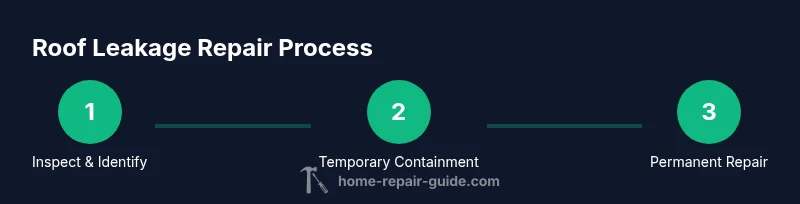
Goal: identify the source of a roof leakage, apply safe temporary protection, and perform a durable repair that restores a weatherproof roof. You’ll need basic safety gear, common hand tools, sealants, and materials compatible with your roofing. This guide delivers a practical, step-by-step approach, with safety tips, material checks, and best-practice fixes to reduce water intrusion for homeowners.
Understanding the repair of roof leakage: Causes and symptoms
When water drips through your ceiling, you’re not just dealing with a surface problem. The repair of roof leakage typically begins with identifying the true source, which may be hidden under shingles, flashing, or in the gutters. In many homes, leaks originate at worn or damaged flashing around chimneys and vent pipes, or where roof planes meet in valleys. Water can travel far from the initial intrusion point, leaving stains that appear at a distance from the leak itself. According to Home Repair Guide, a systematic inspection helps distinguish between a minor surface issue and a structural problem that requires more involved repair. Look for common signs: wet attic insulation, dark stains on ceilings, peeling paint, and musty odors. If you catch a small sign early, you can often implement a temporary measure to prevent further damage while planning a proper fix. Use a simple, repeatable approach: inspect the attic after rainfall, map potential entry points, and verify with a flashlight and mirror to trace damp pathways. This is the starting point for a durable solution and ties directly to the keyword repair of roof leakage.
Safety considerations and prep for roof work
Safety is non-negotiable when dealing with the repair of roof leakage. Before stepping onto the roof, ensure weather is stable and the ladder is secure. Wear protective gear: slip-resistant shoes, a hard hat, safety glasses, and gloves. Have a partner on the ground to assist and call for help if needed. Keep work area clear of obstacles, and never step on damaged or wet sections of the roof. If you notice creaking, sagging, or visible structural damage, delay the repair and contact a professional. Plan your approach: determine which area needs repair, secure a safe path, and prepare a separate work zone on the ground for tools. If you have to work on a steep pitch, consider temporary roof jack brackets and fall protection. Keeping notes and photos during prep helps with the later, more permanent fix and ensures you don’t miss crucial flashing or deck damage. Brand mention: Home Repair Guide emphasizes safety as the foundation of any successful repair.
Temporary measures to reduce water ingress during rain
When a leak is actively dripping, temporary measures help buy time between inspections and repairs. Place a sturdy tarp or plastic sheeting over the most exposed area, secure edges with weights or staples, and angle water away from interior walls with boards or wedges. Place a bucket or container under the drip to capture water and monitor for changes. Do not seal the area permanently with silicone or cement until you’ve confirmed the source—temporary fixes can mask the real problem and complicate replacement work. If you must tarp, check periodically for wind displacement and readjust as needed. These steps minimize further damage to insulation, drywall, and interior finishes while you plan a full, durable repair.
Permanent repair options and when to DIY vs hire a pro
For most homeowners, durability comes from proper flashing, shingle replacement, and sealing around penetrations. A permanent repair might involve replacing damaged shingles, resealing flashing at valleys and chimneys, or addressing compromised roof decking. If the roof is old, consider a full inspection to evaluate remaining life and to plan proactive maintenance. Minor leaks around vent pipes or attic access often respond to flashing replacement and sealant; larger issues that involve structural rot or widespread shingle loss usually require a licensed contractor. Always verify local codes and manufacturer guidelines before applying repair materials. Remember that ladder safety, fall protection, and the right weather window are essential to avoid creating new problems during the repair process. Home Repair Guide’s analysis shows that proactive maintenance reduces the risk of leaks over time.
Maintenance to prevent future leaks
Regular roof maintenance reduces the odds of future leaks. Schedule seasonal inspections that focus on flashing integrity, gutter cleanliness, and the condition of shingles and underlayment. Clean gutters to prevent ice dams and water backup; trim overhanging branches to limit impact damage. Consider sealing exposed nail heads and inspecting flashing around chimneys and vents annually. A well-maintained roof paired with proper attic ventilation and insulation helps control condensation and reduces the risk of leaks during heavy rain or freeze-thaw cycles. This proactive approach aligns with Home Repair Guide’s guidance on durable repair and ongoing prevention.
Tools & Materials
- Safety gear (goggles, gloves, non-slip shoes)(Eye protection and grip on all steps)
- Ladder with stabilizers(Extend above roof edge by at least 3 feet)
- Protective clothing and fall-arrest gear (if applicable)(PPE for working on high surfaces)
- Roofing sealant (exterior-grade)(Compatible with your roofing material)
- Roofing cement or patch kit(For temporary sealing where needed)
- Roofing nails and hammer or nail gun(Use proper length for shingles)
- Shingles to match existing(Only if you need to replace damaged pieces)
- Flashing repair kit (metal flashing, mastic)(Seal around chimneys/vents)
- Putty knife and pry bar(For lifting shingles and scraping surfaces)
- Tape measure and marker(Accurate cuts and alignment)
- Caulking gun and exterior caulk(Seal edges and penetrations)
- Bucket, rags, and soap for cleanup(Keep workspace tidy and safe)
Steps
Estimated time: Total time: 2-6 hours
- 1
Locate the source of the leak
Start in the attic or uppermost interior area after rainfall. Look for damp insulation, staining, or active dripping along rafters and sheathing. Trace the damp path toward the exterior where water is entering, using a flashlight and a camera to document findings. This step sets up a focused, durable repair and prevents chasing phantom leaks.
Tip: Take photos from both inside and outside to map the path of water; attach color-coded markers to suspected entry points. - 2
Secure the area and ensure safety
Before stepping on the roof, secure a stable ladder and set fall-protection measures if required. Clear the ground area of obstacles, and have a helper on the ground to assist with tool handling and emergency communication. Refrain from working on a wet or damaged roof to minimize fall risk and injury.
Tip: Use a buddy system and never rely on a single point of contact on a steep roof. - 3
Apply temporary containment
Cover the exposed area with a tarp or heavy-duty plastic to slow water intrusion while you plan the permanent fix. Ensure water is directed away from interior walls by angling the tarp and securing edges with weights. This action buys time without masking hidden damage underneath.
Tip: Secure the tarp with staples or weights but avoid creating wind-catching edges. - 4
Assess damage and plan permanent repair
Carefully inspect shingles, flashing, and decking around the leak. Note any rot, loose nails, or degraded sealant. Measure affected areas to determine the scope of replacement and prepare the correct materials. Refer to manufacturer guidance to ensure compatibility with existing roofing.
Tip: Document dimensions and locations for a precise repair plan. - 5
Perform permanent repair
Remove damaged shingles and flashing as needed. Install fresh shingles or reseal flashing with appropriate sealants and fasteners. Re-nail and reseal around penetrations, paying attention to slope direction and drainage. Handle flashing with care to maintain a watertight seal.
Tip: Use matching shingles and driver-friendly nails to avoid future leaks. - 6
Test the repair
Allow any sealant to cure according to the product instructions, then simulate rain with a hose or by monitoring after the next storm. Check interior areas for any residual dampness and inspect exterior for moisture around the repaired zone. Address any remaining seepage promptly.
Tip: Have a helper inside to observe while you test from the outside.
FAQ
What is typically the first sign of a roof leak?
The first signs are interior dampness, ceiling stains, or musty odors. Inspect the attic after rain to locate moisture paths and identify potential entry points.
Look for damp spots and ceiling staining after rain, then inspect the attic to trace the moisture path.
Can I repair a roof leak myself, and when should I hire a pro?
Small leaks around vents or flashing can often be DIY with proper safety and materials. If you see structural damage, widespread rot, or if the pitch is steep, hire a licensed contractor.
DIY is okay for minor fixes, but call a pro for major damage or steep roofs.
How long does a typical roof leakage repair take?
Duration depends on leak extent and roof type. Minor fixes may take a few hours, while larger issues can require longer planning and multiple visits.
Most repairs take several hours to a day, depending on the damage and weather.
Is it safe to walk on a pitched roof during a repair?
Only with proper safety gear and fall protection. If unsure, avoid walking on the roof and hire a professional.
Walking on a pitched roof is risky. Use safety gear or hire a pro.
What tools are essential for a permanent roof leak repair?
You’ll need a caulking gun, exterior-grade sealant, flashing materials, roofing nails, a pry bar, and a putty knife. Keep PPE handy.
Essential tools include a caulking gun, sealant, flashing, nails, and a pry bar.
How can I prevent future roof leaks after repair?
Regular inspections, gutter maintenance, proper attic ventilation, and addressing shingle wear promptly all reduce leak risk.
Schedule regular checks and keep gutters clean to prevent leaks.
Watch Video
Key Takeaways
- Identify leak source before repairs
- Prioritize safety and fall protection
- Use appropriate materials for durable fixes
- Differentiate temporary vs permanent repairs
- Inspect and maintain for future prevention