Furnace Repair Near Me: A Practical Local Guide
Find licensed, nearby furnace repair pros, compare quotes with confidence, and get durable fixes. Practical steps, checklists, and tips from Home Repair Guide to protect your home and budget.


To locate reliable furnace repair near me, start by checking licensed, insured local technicians, compare written estimates, and verify warranties. Prioritize clarity on costs, expected ETA, and safety certifications. Look for transparent diagnostics, upfront trip charges, and a warranty on parts and labor. Read multiple reviews from trusted sources, confirm service area coverage, and ask for a detailed plan before work begins. A good local technician will explain options and avoid unnecessary replacements.
Why finding furnace repair near me matters
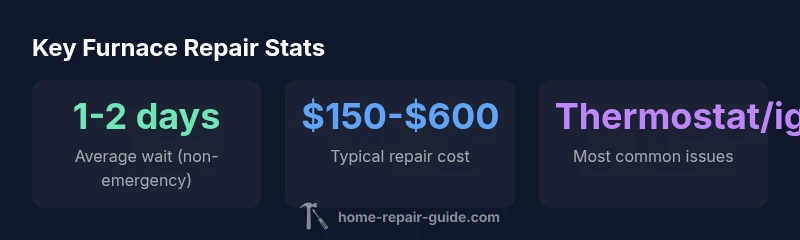
For many households, a furnace breakdown is not just uncomfortable—it can threaten safety and drive up energy bills quickly. When temperatures drop, you need a reliable, nearby technician who can diagnose the problem, source genuine parts, and stand behind the repair with a warranty. According to Home Repair Guide, prioritizing licensed, insured pros who operate locally reduces the risk of scams and ensures faster response times. The phrase 'furnace repair near me' isn't a magic solution by itself; it's a starting point for a structured vetting process. Start by defining the symptoms you’re seeing, listing recent maintenance, and identifying any unusual noises, smells, or uneven heating. In many regions, reputable technicians schedule visits within 24-72 hours for non-emergencies, with same-day emergency service available when the furnace stops producing heat entirely. As you compare options, keep in mind energy efficiency and the potential long-term savings from a well-tuned system. The Home Repair Guide team emphasizes that the cheapest fix may not be the best if it lacks a warranty or durable parts. By setting clear expectations early, you protect your family’s comfort and your budget.
How to choose a local furnace repair service
Selecting the right professional near you is more than chasing the lowest price. Start with a structured vetting process: confirm they hold a valid HVAC license where required by state, verify general liability and workers’ comp insurance, and ask for proof of certification. Read reviews from multiple sources, focusing on consistency and recent feedback. Request written estimates that detail labor, parts, taxes, and any trip charges. Inquire about warranties on the repair and on replaced components; a longer warranty often signals confidence in workmanship. Clarify expected turnaround time, availability for emergencies, and whether the technician will perform a system diagnostic before quoting. Finally, ask how they handle unexpected issues discovered during the repair. A reputable local technician will provide transparent answers, a detailed written plan, and a clear payment schedule.
What to expect during a repair visit
A typical furnace repair visit begins with a diagnostic check. The technician will verify thermostat settings, inspect electrical connections, and test safety controls, flame sensors, and condensate drainage if applicable. Expect questions about recent maintenance and furnace cycling behavior. Once the root cause is identified, the technician should present a written estimate with a scope of work, parts, and labor. If replacements are needed, they may require ordering parts, leading to a brief return visit. Reputable techs may run a furnace efficiency test or tune-up as part of the process, particularly if your unit is older or undersized. Finally, ensure you receive documentation, including warranty terms on labor and parts, plus basic maintenance recommendations to extend life after the repair.
How to compare quotes and avoid scams
When you request estimates, compare not only price but also scope and warranty. A very low price can be a red flag for used or substandard parts, hidden fees, or incomplete labor coverage. Look for quotes that itemize each part and service, include an estimated timeline, and specify warranty lengths for both labor and parts. Ask whether recommended upgrades, such as air filtration or duct sealing, are included or optional. If you’re facing an emergency, request a pro forma written estimate first, and confirm accepted payment methods. Avoid contractors who pressure you to decide on the spot; take time to review terms, ask questions, and compare at least two options. Home Repair Guide analysis suggests you seek a balanced mix of price, transparency, and reliability, rather than chasing the lowest upfront cost.
Common furnace issues and quick identifiers
Furnace problems show up in predictable ways. A furnace that fails to ignite may indicate a faulty ignition system or thermostat miscalibration. Inconsistent heating or hot and cold spots often point to duct leaks or clogged air filters. Frequent short cycling can be caused by an overwhelmed blower motor, restricted airflow, or improper gas supply. Strange noises—from squeals and rattles to grinding sounds—usually signal mechanical wear or loose bearings. Smelly or smoky exhaust is a red flag requiring immediate attention; it can indicate dangerous combustion problems. By documenting symptoms and sharing them with the technician, you accelerate diagnosis and ensure you receive appropriate parts and labor coverage.
Maintenance tips to extend furnace life after repair
After a repair, institute a regular maintenance routine to reduce future emergencies. Replace air filters every 1-3 months, depending on usage and filter type. Schedule cooling-season coil cleaning and inspect electrical connections yearly. Keep outdoor furnaces clear of debris, and ensure the venting system is unobstructed. Consider a professional annual tune-up for optimal efficiency and safety. Finally, set up a simple preventive plan: schedule reminders for seasonal inspections, track performance (temperature consistency, fuel use, and cycle frequency), and keep a service log. These steps can help you minimize unexpected breakdowns and extend the life of your heating system.
Replacement vs repair: making the right call
Some furnace failures are not cost-effective to fix, especially in older units or when repair needs are frequent. If replacement offers better energy efficiency and longer-term reliability, compare upfront costs, expected energy savings, and warranty coverage. Consult multiple contractors for a side-by-side comparison and run an after-installation check to verify performance. In many cases, a mid-life upgrade with a modern high-efficiency furnace reduces monthly energy costs, improves indoor comfort, and lowers maintenance frequency. The decision should balance short-term expense with long-term value, not just the immediate repair bill.
Comparison of common furnace repair scenarios
| Issue Type | Common Symptoms | Estimated Time to Repair | Typical Cost Range |
|---|---|---|---|
| Thermostat or control issues | Inaccurate readings, fluctuating temperatures | 2-4 hours | $100-$350 |
| Ignition/pilot problems | No heat or irregular heat | 1-4 hours | $200-$600 |
| Blower motor or fan issues | Weak airflow, short cycling | 2-6 hours | $350-$900 |
FAQ
What should I look for in furnace repair near me?
Start with licensed, insured technicians who provide written estimates, and ask about warranties and service area. Check reviews and verify certifications before agreeing to work.
Look for licensed, insured pros who give written quotes and clear warranties.
How can I verify a tech's license and insurance?
Ask for license numbers and proof of insurance; contact the issuing authority or insurer to confirm current status.
Ask for proof, then verify with the issuing agency.
Can I get same-day furnace repair?
Same-day service is common for emergencies in many regions, but availability depends on demand and your locale.
Same-day service is possible for emergencies; call early to check.
What should be in a written estimate?
Scope of work, parts, labor, taxes, warranty terms, and a clear timeline. Ensure no hidden fees.
Get it in writing with all costs and timelines.
How long do furnace repairs typically last?
Longevity depends on the issue and parts; maintenance and proper operation extend the life of the repair.
Repairs last longer with proper maintenance.
Is replacement a better option than repair?
If repairs are frequent or energy efficiency is poor, replacement may offer better long-term value. Get multiple quotes.
Sometimes replacing saves money in the long run.
“Effective furnace repairs require transparency, credible diagnostics, and trusted warranties. Prioritize licensed professionals who clearly explain repair options.”
Key Takeaways
- Verify licenses and insurance before booking.
- Request a detailed written estimate.
- Understand warranty coverage on parts and labor.
- Ask about energy-efficiency upgrades.
- Maintain a regular service schedule.