a c service and repair near me: How to choose a trusted technician
Find reliable professionals for a c service and repair near me with expert guidance, transparent quotes, and maintenance tips to maximize efficiency and longevity.


If you search for a c service and repair near me, you’re likely to find a diagnostic visit within 1-2 hours in many markets, followed by repairs the same day if parts are available. Expect transparent pricing, upfront quotes, and written guarantees. Home Repair Guide's analysis shows local pros typically offer 24/7 emergency slots in peak season.
Finding a c service and repair near me: criteria
When you search for a c service and repair near me, you want a mix of speed, reliability, and value. Homeowners deserve transparent pricing, verified credentials, and technicians who respect their time. According to Home Repair Guide, start by verifying licensing, insurance, and local reputation. Look for technicians who provide written estimates, clear arrival windows, and a detailed diagnostic process before any work begins. In today’s market, many cities experience seasonal spikes; a reputable contractor will offer flexible scheduling and clear communication about delays. Beyond licensing, ask about manufacturer certifications (for example, NATE certification) and experience with your specific system type (central AC, mini-splits, or heat pumps). Read multiple reviews from independent sources and compare quotes that cover the same scope of work. Finally, confirm warranties on parts and labor, and request a detailed, itemized invoice so you can audit costs later.
How HVAC systems fail and why timely repair matters
HVAC systems fail for a range of reasons: compressor issues, refrigerant leaks, capacitor or relay failures, clogged condensate drains, and thermostat miscommunication. Each failure imposes stress on components, raises energy consumption, and can accelerate wear on compressors. Delaying diagnosis often leads to higher repair costs and reduced indoor air quality. Timely repair preserves system efficiency, lowers energy bills, and extends equipment life. Home Repair Guide's data shows that catching issues early improves first-visit success rates and reduces the likelihood of cascading failures. A proactive approach—regular filter changes, coil cleaning, and duct sealing—helps you avoid emergency breakdowns during peak heat.
What to expect during a diagnostic visit and common tests
During diagnostic visits, technicians typically inspect the outdoor unit for refrigerant leaks, check electrical connections, test capacitor and contactor function, verify thermostat operation, and measure refrigerant charge. They may perform pressure tests, airflow assessments, temperature differential checks, and coil cleanliness evaluations. Expect a written diagnostic summary with observed symptoms, causes, and recommended options. Some companies offer on-site load and efficiency tests to determine whether a repair or replacement is more cost-effective in the long run. Depending on the findings, you’ll receive one or more quotes that itemize parts, labor, and any permits or disposal fees if applicable.
Service options: repair, replacement, maintenance plans
Repair options restore a faulty component, replace worn parts, or recharge refrigerant when permitted. Replacement might be more cost-effective for older systems with frequent failures or reduced efficiency. Maintenance plans provide scheduled tune-ups, filter changes, and system balancing to prevent future breakdowns. A trusted provider will explain the long-term value of maintenance contracts and offer flexible plans. When you compare quotes, ensure identical scope for an apples-to-apples comparison; that means same refrigerant type, same labor hours, and the same warranty terms.
Budgeting for AC repairs: cost drivers and ranges
AC repair costs vary by system type, brand, compressor availability, refrigerant type, and accessibility. Typical diagnostic fees range, in many markets, and labor rates depend on local competition and seasonal demand. Refrigerant charges and high-value components like compressors or DX coils drive price. In general, budgeting for AC service should consider both immediate repair costs and potential future maintenance. While estimates can range, homeowners should expect a written quote covering parts, labor, and any disposal fees, with a clear warranty on workmanship. Home Repair Guide analysis indicates most homeowners spend within a broad range depending on the issue and system age.
Do-it-yourself vs professional service: when to call in
DIY fixes are limited to safe tasks like filter replacement or condensate drain clearing. Electrical and refrigerant work requires licensed technicians due to safety and environmental concerns. Attempting major repairs can void manufacturer warranties and pose safety risks. Professional technicians bring diagnostic tools, refrigerant handling rights, and proper charging procedures. If you’re unsure, contact a local pro for a diagnostic visit to confirm whether a repair is feasible or if replacement offers better value.
How to verify credentials and avoid scams
Always verify licensing and insurance; ask for the license number and corroborate with the state’s contractor database. Look for manufacturer certifications (e.g., NATE) and verify that the tech is insured for both liability and workers’ compensation. Request a written estimate and a detailed contract with scope, parts, warranties, and payment terms. Read reviews from multiple sources, watch for pressure tactics, and beware deals that seem too good to be true. Ask for proof of service history and check whether the company honors manufacturer recalls or updated refrigerants.
Maintenance tips to extend AC life between visits
Regular maintenance extends system life and reduces the risk of sudden breakdowns. Change filters monthly or as recommended, clean evaporator and condenser coils, inspect ductwork, ensure proper insulation, and seal air leaks. Schedule an annual professional tune-up to test refrigerant levels and airflow. Keep an eye on unusual sounds or smells and address them promptly. A little maintenance goes a long way toward energy efficiency and comfort.
Final checklist after a service visit
After a service visit, review the diagnostic report, confirm the recommended parts and labor, and store the warranty details. Confirm whether a follow-up visit is included if the issue persists. Save the technician’s contact info and the invoice, note the expected lifespan of repaired parts, and track energy usage to gauge improvements. If the performance doesn’t meet expectations, contact customer service promptly and request a revisit within the warranty period.
AC service flow from diagnosis to maintenance
| Stage | What Happens | Typical Duration |
|---|---|---|
| Diagnostics & inspection | System performance checks, refrigerant level assessment, electrical tests | 15-60 min |
| Repairs & components replacement | Replace capacitors, relays, compressors; recharge refrigerant | 60 min - 6 hrs |
| Maintenance & tune-ups | Clean coils, replace filters, test airflow | 30-90 min |
FAQ
What counts as a diagnostic visit for an AC system?
A diagnostic visit assesses system performance, checks refrigerant levels, tests electrical components, and identifies root causes without performing permanent repairs. The technician will explain findings and recommended options.
A diagnostic visit checks the system and explains what needs fixing, without starting repairs.
How long does a typical AC repair take?
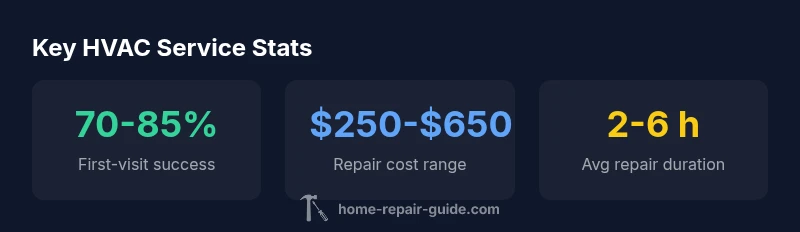
Repair duration varies by issue and parts availability, typically from 1 to 6 hours. A final timeline is provided in the quote.
Most repairs take between one and six hours depending on parts and issues.
Are estimates binding and can I shop around?
Written estimates should be binding for scope and price. You can shop around, but ensure you compare like-for-like quotes and verify warranty terms.
Yes, you can compare quotes; just make sure they cover the same work and warranties.
What credentials should I look for in a contractor?
Look for valid licensing, insurance, and manufacturer certifications (e.g., NATE). Verify shop history and reviews from multiple sources.
Check license, insurance, and manufacturer certifications before hiring.
Should I repair or replace an old system?
If repairs are frequent or efficiency is poor, replacement may offer better long-term value. A technician can provide a cost-benefit analysis.
Often replacement is better when repairs are frequent or efficiency is low.
Do warranties apply to repairs and parts?
Most reputable technicians offer warranties on both parts and workmanship. Read the warranty terms and understand coverage for future failures.
Yes—warranties usually cover parts and labor for a period; read the terms.
“Transparent diagnostics and upfront quotes save homeowners time and money during AC repairs. Clear communication builds trust and avoids surprises.”
Key Takeaways
- Verify credentials before booking.
- Obtain written estimates and warranties.
- Ask about energy efficiency options.
- Schedule regular maintenance to extend life.
- Compare quotes with identical scope.