What Can Repair My Liver? A Practical Health Guide
Explore evidence-based ways to support liver health, understand the limits of liver regeneration, and learn practical steps, foods, and tests to protect your liver function for long-term well-being.


Many readers ask, what can repair my liver? The liver can regenerate to some extent, but irreversible damage requires medical care. Practical support includes avoiding toxins, limiting alcohol, achieving a healthy weight, eating a balanced diet, staying hydrated, and getting appropriate medical testing. This guide outlines evidence-based steps to protect liver function and reduce risk.
Understanding what can repair my liver
What people mean when they ask, “what can repair my liver” often centers on whether the liver can bounce back after injury. The liver is remarkably capable of regeneration, but this capacity has limits. Acute injuries from temporary exposures, infections, or reversible toxins can recover if the underlying trigger is removed promptly. Chronic damage, such as long-term heavy alcohol use or sustained exposure to harmful substances, can lead to scar tissue and impaired function. According to Home Repair Guide, protecting organ health often follows the same principle as maintaining a home: small, consistent maintenance saves you from larger problems later. In practical terms, this means that while you cannot reverse all liver damage alone, you can create a routine that supports liver function, reduces ongoing risk, and helps your liver heal where possible. This approach blends medical guidance with everyday lifestyle choices, making it accessible for homeowners and renters alike who want to safeguard long-term health. Remember, every healthy choice compounds over time, much like a steady repair plan for a cherished home.
The limits of liver self-repair
The liver can regenerate after certain injuries, but there are critical limits. Acute insults that stop promptly—such as stopping a hepatotoxic medication, treating an infection, or eliminating excess alcohol—allow recovery in many cases. When injury becomes chronic, the liver may develop fibrosis, a reversible scarring stage, but advanced fibrosis and cirrhosis are not reversed by lifestyle changes alone. Medical evaluation is essential to determine whether repair is feasible and to monitor progression. Patients with known liver disease should avoid self-ddiagnosis and seek ongoing care. In short, while you can influence liver health through daily habits, the degree of repair depends on the type and duration of damage, and some conditions require medical interventions.
Evidence-based steps to support liver health
Building a liver-support routine involves multiple domains. Start with a baseline medical assessment to identify risk factors and establish a monitoring plan. Then implement lifestyle changes that reduce ongoing stress on the liver. Prioritize toxin avoidance, moderate physical activity, a balanced diet rich in fiber, lean protein, and healthy fats, and adequate hydration. The language of care mirrors home maintenance: address the obvious issues first, monitor results, and adjust as needed. Consistency matters more than perfection, and gradual progress yields lasting benefits. For readers seeking a practical path, this section outlines concrete actions tied to common liver conditions and general wellness goals.
The role of diet in liver health
Diet plays a central role in supporting liver function. Emphasize a balanced, high-fiber pattern: plenty of vegetables, fruits, whole grains, and plant-based proteins. Include healthy fats from fish, olive oil, and nuts, while limiting saturated fats and refined carbohydrates. Reducing added sugars and ultra-processed foods helps prevent fatty liver disease and improves metabolic health. Adequate hydration supports metabolic processes and toxin elimination. Mindful portions and regular meals prevent spikes in liver-related stress. In a practical sense, think Mediterranean-style eating: emphasis on plants, healthy fats, and moderate portions, with room for individualized adjustments based on medical advice.
Safe exercise and weight management
Regular physical activity supports liver health by improving insulin sensitivity and reducing fat accumulation around the liver. Aim for a mix of cardiovascular activity and strength training, totaling roughly 150 minutes per week, adjusted to your fitness level and medical guidance. If weight loss is recommended, pursue gradual, sustainable changes rather than crash diets. Exercise also helps mood, sleep, and energy—benefits that reinforce healthy daily choices. Start small if you’re new to exercise, build gradually, and consult a clinician if you have any joint, heart, or liver-related concerns.
Medical evaluation and when interventions are necessary
A liver health plan begins with a professional assessment. Tests commonly used include liver function tests (ALT, AST, bilirubin, GGT), and imaging such as ultrasound or elastography to assess fibrosis. Vaccinations for hepatitis A and B can prevent additional liver injury, and clinicians may screen for viral hepatitis if risk factors exist. Some medications and supplements can harm the liver; always review all substances with a healthcare provider. If you notice persistent yellowing of the skin, dark urine, persistent upper abdominal pain, swelling, or confusion, seek urgent medical care.
Common myths and misconceptions about liver repair
Myth: Detox diets or juice cleanses “fix” the liver. Reality: there is no quick fix; extreme diets can harm you. Myth: The liver can heal itself instantly after a short break from alcohol. Reality: healing takes time and depends on the extent of damage. Myth: Supplements alone will reverse liver disease. Reality: supplements may help some people, but they are not a substitute for evidence-based medical care and lifestyle changes. The truth is that evidence-based practices—good nutrition, activity, avoiding toxins, and medical follow-up—provide the best chance for liver health over the long term.
Putting it all together: a practical liver-support plan
Creating a sustainable plan means turning theory into daily habits. Start with a basic 4-week cycle: week 1 focuses on alcohol cessation and hydration, week 2 introduces fiber-rich meals, week 3 adds a regular exercise routine, and week 4 emphasizes sleep and stress management. Use a simple health journal to track what you eat, how you feel, and any medicines or supplements you take. Schedule a follow-up with your clinician to review lab results and adjust your plan. The plan should feel doable, not daunting, and should adapt to your unique health needs. By treating liver health like home maintenance—consistent, staged improvements—you can build long-term resilience for your body.
Why this approach works for most people
The liver benefits from a comprehensive strategy that combines medical oversight with everyday lifestyle choices. While not every form of liver injury is reversible, many individuals can slow progression and improve function through measured changes. Emphasizing education, planning, and support helps you sustain healthier habits. This approach aligns with the idea that small, well-timed repairs in the home and body prevent bigger problems later. As you implement these steps, stay connected with your healthcare team to tailor recommendations to your personal health status and goals.
Tools & Materials
- Notebook or digital tracker(For logging meals, alcohol intake, medications, and symptoms.)
- Access to clinician for liver function testing(Schedule through primary care or gastroenterology.)
- Reliable internet device(For researching guidelines and virtual consultations.)
Steps
Estimated time: Estimated total time: 4-12 weeks
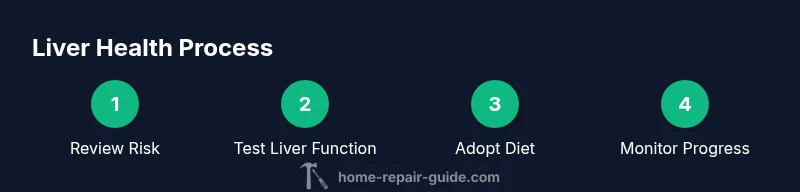
- 1
Review medical history and risk factors
Document alcohol use, prescription and over-the-counter medications, supplements, medical conditions, and family history of liver disease. This creates a baseline for your clinician to interpret tests and tailor guidance.
Tip: Bring a list of all current meds and supplements to your appointment. - 2
Schedule a liver function assessment
Ask for liver function tests (ALT, AST, bilirubin, GGT) and discuss imaging options if indicated. Early testing helps identify issues before symptoms appear.
Tip: Ask what the results mean and what follow-up is recommended. - 3
Adjust your diet for liver support
Incorporate high-fiber foods, plant-based proteins, lean animal proteins, and healthy fats. Limit added sugars and refined carbohydrates to reduce liver fat and inflammation.
Tip: Plan meals with color, fiber, and balanced portions. - 4
Limit alcohol and hepatotoxic substances
Avoid or reduce alcohol to protect liver cells. Review medications and supplements for potential liver impact; discuss acetaminophen and other common drugs with your clinician.
Tip: Never exceed labeled doses of pain relievers without medical advice. - 5
Work toward a healthy weight
Set realistic weight goals with gradual changes. Weight loss can improve liver fat content and metabolic health, but rapid loss may stress the body.
Tip: Combine moderate cardio with resistance training for best results. - 6
Exercise safely and consistently
Establish a regular activity plan that includes cardio and strength work. Exercise supports liver metabolism and overall health with reduced injury risk when progressed gradually.
Tip: Start with 10–15 minutes daily and increase gradually. - 7
Vaccinate and manage infections
Ensure hepatitis A and B vaccines are up to date if indicated, and screen for viral infections as advised by your clinician. Preventing new infections protects liver health.
Tip: Check your vaccination records and discuss boosters as needed. - 8
Monitor and adjust with medical support
Schedule follow-ups to review tests, track progress, and tweak dietary or activity plans. Consistent monitoring helps catch issues early.
Tip: Keep a liver health journal to simplify trend analysis.
FAQ
Can the liver fully repair itself after damage?
The liver can regenerate to a degree, but not all damage is reversible. The degree of repair depends on the cause, duration, and presence of scarring. Ongoing medical care helps manage conditions and supports liver health.
The liver can regenerate somewhat, but not every case is reversible. Ongoing medical care is important when damage is present.
What foods are best for liver health?
A diet high in fiber, vegetables, fruits, lean proteins, and healthy fats supports liver function. Limit added sugars, refined carbs, and highly processed foods. Individual needs vary, so tailor choices with a clinician or dietitian.
Fiber-rich veggies, fruits, lean proteins, and healthy fats help the liver. Limit sugars and processed foods.
Should I take supplements to help my liver?
Some supplements can harm the liver or interact with medications. Always discuss supplements with your healthcare provider before starting them, especially if you have known liver concerns.
Talk to your doctor before taking any supplement for liver health.
How much alcohol is safe for the liver?
There is no universal safe amount for everyone. If you have risk factors or liver disease, avoid alcohol or follow your clinician’s guidance. Moderation guidelines may not apply to all individuals.
Alcohol should be avoided or limited based on your health and doctor’s advice.
What tests evaluate liver health?
Tests typically include liver function tests (ALT, AST, bilirubin, GGT) and imaging like ultrasound or elastography to assess fat or fibrosis. Your clinician will interpret results and plan follow-up.
Liver tests often include blood tests and imaging to check fat and scarring.
Is weight loss helpful for fatty liver disease?
Yes. Gradual weight loss improves liver fat and metabolic health. Combine balanced nutrition with regular physical activity and medical oversight to ensure safety and effectiveness.
Losing weight gradually helps fatty liver, with a balanced plan guided by your clinician.
When should I seek urgent medical care for liver symptoms?
Seek urgent care for sudden severe abdominal pain, jaundice, swelling, confusion, or vomiting blood. These can signal serious liver conditions requiring immediate attention.
Go to urgent care if you have sudden severe symptoms like jaundice or severe belly pain.
Can a liver health plan be personalized?
Absolutely. A healthcare professional can tailor tests, diet, exercise, and medications to your health status, goals, and risks. Personalization improves safety and effectiveness.
Yes, plans should be personalized to fit your health status and goals.
Watch Video
Key Takeaways
- Understand liver repair limits and when medical care is needed.
- Prioritize toxin avoidance and vaccination to protect liver health.
- Adopt a liver-friendly diet and regular physical activity.
- Monitor liver function with professional guidance and adjust as needed.