How to Repair Liver Damage Naturally: A Practical Guide
Learn evidence-based, natural strategies to support liver health, including diet, hydration, lifestyle changes, and safe precautions. This educational guide emphasizes consulting healthcare professionals for liver damage while outlining actionable steps homeowners and renters can adopt to reduce stress on the liver.


You can support liver health and potentially limit further damage by adopting a liver-friendly lifestyle: avoid alcohol, eat a balanced diet rich in fruits, vegetables, and fiber, maintain a healthy weight, stay hydrated, and consult a doctor before taking supplements. This guide outlines natural, evidence-based steps for supporting liver function and overall well-being.
Understanding Liver Health and Natural Approaches
The liver plays a central role in metabolism, detoxification, bile production, and immune defense. When people ask how to repair liver damage naturally, they usually want to know what lifestyle changes can reduce ongoing harm and support the organ’s healing processes. It's important to set expectations: natural approaches cannot reverse advanced cirrhosis or remove existing scarring on their own, and medical care remains essential for diagnosed disease. However, by reducing risk factors, improving nutrient intake, and supporting liver cell function, most people can experience meaningful improvements in symptoms, energy, and overall well-being.
Key concepts to remember:
- Hepatic resilience depends on a combination of genetics, lifestyle, and comorbid conditions.
- The liver has regenerative capacity, but healthy habits are required to maximize recovery.
- Focus on long-term consistency rather than short-term extremes.
In this article, we’ll explore practical steps aligned with evidence, emphasizing evidence-based dietary patterns, safe physical activity, hydration, sleep, and avoidance of hepatotoxins. Throughout, keep in mind that any plan to support liver health should be discussed with a healthcare professional, especially if there is known liver disease or ongoing medication use. The aim is to support liver function and reduce additional stress while you pursue medical guidance.
Tools & Materials
- Food diary or app(Track daily meals and liver-friendly nutrients)
- Measuring cups/kitchen scale(Portion control for fiber and protein intake)
- Water bottle(Hydration as a baseline for detoxification processes)
- Notebook or digital note system(Record symptoms, fatigue, or patterns)
Steps
Estimated time: 60-120 minutes
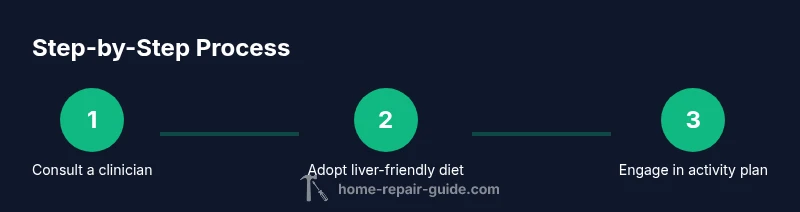
- 1
Consult a healthcare professional
Before making major changes, talk with a doctor or hepatologist to determine underlying causes and receive individualized guidance. This ensures any liver damage is monitored and managed safely.
Tip: Ask for baseline liver tests and review of current medications that could affect the liver. - 2
Get a clear baseline of liver health
Work with your clinician to establish baseline labs and imaging as needed. Understanding where you start helps tailor a natural approach without risking further harm.
Tip: Document symptoms, fatigue levels, and any alcohol use to help pattern recognition. - 3
Eliminate or reduce hepatotoxins
Limit alcohol intake and avoid substances known to stress the liver. Review medications with your clinician for potential liver interactions.
Tip: Avoid unregulated herbal products and high-dose supplements without medical supervision. - 4
Adopt a liver-friendly diet
Prioritize fiber-rich plants, lean proteins, and healthy fats. Limit added sugars and refined carbs to reduce fat buildup and inflammation.
Tip: Keep a food diary to identify triggers and patterns that correlate with symptoms. - 5
Increase safe physical activity
Integrate both aerobic and resistance training to improve insulin sensitivity and fat metabolism. Exercise should be gradual and tailored to your energy level.
Tip: Start with 15–20 minutes of activity on most days and build up at a comfortable pace. - 6
Prioritize hydration and sleep
Hydration supports detoxification pathways; aim for steady fluid intake. Sleep quality affects metabolic regulation and liver recovery.
Tip: Establish a consistent sleep routine and avoid late-evening meals that disrupt digestion. - 7
Monitor medications and supplements
Review all prescription and over-the-counter medicines with your clinician to minimize liver risk. Avoid self-prescribing herbal blends with unclear safety.
Tip: Ask about potential interactions with your current regimen. - 8
Create a follow-up plan
Schedule regular check-ins to adjust diet, activity, and medication as your liver health changes. Track progress and celebrate gradual improvements.
Tip: Use a simple dashboard to visualize lab trends and symptom changes.
FAQ
Can natural approaches fully reverse liver damage?
Natural strategies can support liver health and may slow progression, but they cannot guarantee complete reversal of established liver damage. Medical evaluation and treatment are essential for addressed conditions.
Natural approaches can help, but they cannot guarantee full reversal; consult your doctor for a personalized plan.
Is coffee good for the liver?
Some research suggests moderate coffee consumption may be associated with better liver outcomes for some people, but caffeine tolerance and other health considerations vary. Discuss with your clinician if you have conditions affected by caffeine.
Moderation may help some people, but talk with your clinician about caffeine use.
What supplements should I avoid for liver health?
Many supplements are unregulated and can stress the liver, especially in high doses or when taken with alcohol or other medications. Always check with a healthcare provider before starting any supplement.
Avoid taking supplements without your doctor’s approval; some can harm the liver.
Can weight loss help fatty liver disease?
Yes. Weight reduction through balanced diet and physical activity can improve fatty liver disease and liver function over time.
Losing weight, when done safely, can improve fatty liver health.
Is exercise safe for people with liver disease?
Exercise is generally beneficial but should be tailored to the individual’s health status by a clinician. Start slowly and monitor response.
With medical clearance, you can usually start a safe exercise plan.
Watch Video
Key Takeaways
- Start with medical advice before changes.
- Prioritize fiber and plant-based foods.
- Limit alcohol and avoid hepatotoxins.
- Incorporate regular moderate exercise.
- Monitor liver function with healthcare provider.