How Long to Repair Fatty Liver: A Practical Guide Today
Learn realistic timelines for repairing fatty liver, how lifestyle factors influence duration, and practical steps you can take. This educational guide from Home Repair Guide helps homeowners and renters understand how long repair may take and how to monitor progress.


Understanding fatty liver and what repair means
Fatty liver disease, or steatosis, occurs when excess fat accumulates in liver cells. Repairing fatty liver is not a single event but a process of reducing fat, inflammation, and improving liver function through consistent lifestyle changes and medical guidance when needed. For many people, sustained, gradual changes are more effective than quick fixes. According to Home Repair Guide, the concept of 'repair' here focuses on long-term liver health rather than short-term imaging alone. The Home Repair Guide team found that consistency over time matters more than intensity in the short term. In discussing how long repair fatty liver can take, it helps to think in months rather than days, and to celebrate incremental progress such as steadier energy levels, improved lab markers, and fewer symptoms. Understanding how long repair fatty liver takes can help set realistic expectations.
How long does repair typically take?
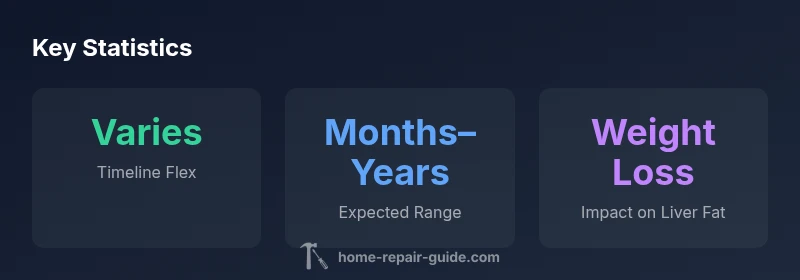
There is no universal timetable for fatty liver repair. With steady, sustainable lifestyle changes, some people may begin to notice improvements in liver health within months; for others, progress can extend over many months to years. When asking how long repair fatty liver takes, remember that the severity at baseline, the presence of related conditions, and ongoing adherence to healthy habits all shape the timeline. Rather than chasing a single deadline, track meaningful signs of progress over time, such as energy level changes, results from liver function tests, or imaging studies as recommended by your clinician. The key takeaway is that patience and consistency often yield better results than abrupt, drastic changes.
Key factors that influence the timeline
Several factors influence how long repair fatty liver may take in practice. Baseline severity of fat accumulation and inflammation plays a major role, as does metabolic health and the presence of conditions such as obesity, diabetes, or high cholesterol. Adherence to a balanced diet, regular physical activity, sleep quality, and stress management also affect the speed of improvement. Age and genetic predispositions can further modulate outcomes. Because each person is unique, expect a range rather than a single number, and revisit goals with your clinician as needed. The phrase how long repair fatty liver is best answered with personalized context rather than a fixed certificate of time.
Practical steps that can influence timeline
To influence the pace of fatty liver recovery, focus on sustainable lifestyle changes. Start with gradual dietary shifts—more vegetables, whole grains, lean proteins, and reduced saturated fats and added sugars. Incorporate regular, moderate-intensity exercise most weeks; even walking or light cardio can help. Aim for gradual weight loss if advised by a clinician, and monitor your progress with periodic liver tests and imaging as recommended. Avoid alcohol and manage sleep and stress, since these factors affect liver metabolism. While this guide uses the term how long repair fatty liver, the real aim is steady improvement over time through practical, repeatable actions. Small, consistent steps often yield meaningful results.
Monitoring progress and recognizing signs of improvement
Progress is best assessed through a combination of clinical tests, symptoms, and lifestyle indicators. Regular checks for liver enzymes, imaging when appropriate, and assessment of metabolic health can reveal trends over time. Many people notice higher energy, better focus, and improvements in blood tests as fat content in the liver decreases. Keep a diary of daily habits and weekly activity to observe correlations with how long repair fatty liver takes. Share findings with your healthcare provider to calibrate expectations and adjust plans as needed.
When to seek medical evaluation and red flags
If symptoms worsen or new symptoms appear, seek medical guidance promptly. Red flags include persistent fatigue, abdominal pain, jaundice, dark urine, or swelling in the legs or abdomen. If you have diabetes, obesity, or other metabolic conditions, coordinate care with your healthcare team to ensure that any medications or interventions are appropriate for your situation. This article emphasizes general education; individual timelines will vary, and medical supervision is essential when managing fatty liver.
Realistic expectations: durable reversal and what it can look like
Durable reversal of fatty liver depends on many factors, including how well lifestyle changes are sustained and whether there are coexisting conditions that affect liver health. For some people, liver fat reduction and improved function occur gradually over months, while for others, the process may extend into years. The goal is durable improvement in liver health, not a single milestone. Stay patient, remain consistent, and work with a clinician to adapt goals as you observe progress in labs, imaging, and symptoms. How long repair fatty liver may take will vary, but steady progress is achievable with commitment.
Common myths about fatty liver repair debunked
Myth: Fatty liver repair happens quickly with a drastic diet. Reality: Real progress comes from sustainable changes over time. Myth: Medications alone can reverse fatty liver. Reality: Medications treat related conditions, but lifestyle changes are central. Myth: Once fatty liver develops, it cannot improve. Reality: In many people, fat reduction and improved liver function are possible with consistent steps, although timelines vary by individual. Understanding how long repair fatty liver takes should be grounded in personalized medical advice and steady, long-term habits.