How Long to Abstain from Alcohol to Repair the Liver
Explore practical timelines for abstinence to support liver repair, with factors affecting recovery, a step-by-step plan, and credible guidance. Insights synthesize Home Repair Guide Analysis (2026) and health best practices.


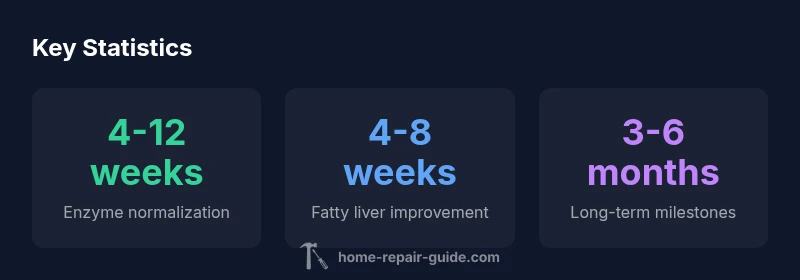
There is no universal timeframe for how long to abstain from alcohol to repair liver. According to Home Repair Guide, liver recovery depends on baseline health and drinking history. For many with fatty liver or mild injury, complete abstinence for several weeks can start showing improvements, with 4-8 weeks common. More severe damage may require longer abstinence and medical supervision. Always discuss your plan with a clinician.
How liver healing progresses when you stop drinking
The liver is remarkably resilient, and abstinence from alcohol reduces ongoing injury, inflammation, and fat accumulation. When you stop drinking, hepatocytes (liver cells) can repair, and fat deposition in the liver often decreases. The pace of healing depends on your baseline health, the extent of prior damage, and any coexisting conditions such as obesity or diabetes. According to Home Repair Guide, individuals with simple fatty liver who stop drinking may notice improvements in liver function tests within weeks, while those with more advanced disease may take longer and require ongoing medical supervision. A steady abstinence period also reduces stress on other organs and improves sleep, energy, and digestion, all of which support recovery. Regular check-ins with a clinician help track changes and tailor expectations to your situation.
How long to abstain from alcohol to repair liver: typical timelines
There isn’t a one-size-fits-all answer. For many people with fatty liver or mild alcohol-related liver injury, abstaining for 4-8 weeks can yield meaningful improvements, especially in liver enzymes and fat content. If the liver injury is heavier or if other conditions are present, the recovery window may extend to 8-12 weeks or longer. In those cases, medical supervision is essential to monitor progression and to adjust plans for nutrition, activity, and potential medications. It’s important to recognize that improvements are gradual and may not be linear. If you drink intermittently during this period, the timeline can reset or slow down. Always coordinate with a clinician for personalized guidance.
Factors that influence recovery time
Recovery time is influenced by several factors, including baseline liver health, age, body weight, diet, activity level, and the presence of metabolic conditions such as diabetes or high cholesterol. Genetics can also affect how quickly the liver repairs itself. Nutritional status plays a key role: adequate protein supports tissue repair, while excessive sugar and saturated fat can hinder progress. Sleep quality and stress levels impact liver recovery indirectly, as they influence hormonal balance and inflammation. Finally, adherence to abstinence and avoidance of hepatotoxic substances (medications and recreational drugs) is critical. Based on Home Repair Guide research, individuals with healthier weight and good nutrition often experience faster improvements, though personal variation remains significant.
Practical steps for a safe abstinence period
Creating a concrete plan increases the likelihood of sticking with abstinence. Start by setting a clear quit date and removing alcohol from your home. Build a support network—family, friends, or a support group—and consider professional guidance, such as counseling or addiction services. Develop coping strategies for cravings, like engaging in a hobby, physical activity, or mindfulness practices. Monitor meals, hydration, and sleep, aiming for balanced nutrition and steady routines. If cravings feel unmanageable, discuss pharmacologic or behavioral supports with a clinician. Remember to consult your healthcare provider before starting any new supplement or medication as part of a liver-recovery plan.
Monitoring progress: labs, symptoms, and when to re-evaluate
Regular monitoring helps determine whether abstinence is yielding the expected improvements. Routine liver function tests (ALT, AST, bilirubin) and imaging studies can track changes in inflammation and fat content. Pay attention to symptoms such as fatigue, abdominal discomfort, and jaundice; new or worsening symptoms warrant medical attention. A clinician can interpret test results in the context of your full medical history and adjust your plan as needed. If you approach your abstinence with a structured schedule and clear milestones, you’ll be better positioned to evaluate progress over time.
Dietary and lifestyle supports that aid liver repair
A supportive diet emphasizes lean proteins, plenty of vegetables and fruit, and whole grains, with limited refined sugars and saturated fats. Hydration and modest physical activity, such as walking or cycling, can aid recovery without overexertion. Avoid highly processed foods and excess calories that contribute to obesity. Nutrients such as omega-3 fatty acids, antioxidants, and adequate fiber support metabolic health and liver function. If you have dietary restrictions or medical conditions, a registered dietitian can tailor a plan for your needs. Avoiding fast food and highly processed snacks supports steady progress.
When to seek medical advice or specialized care
If you notice signs such as severe abdominal pain, confusion, jaundice (yellowing of the skin or eyes), persistent vomiting, or sudden fatigue, seek medical attention promptly. A clinician can assess whether abstinence alone suffices or if additional treatments are needed. Those with existing liver disease should maintain regular follow-ups, particularly if plans involve medications or interventions that could affect the liver. Early consultation helps prevent complications and supports a safer, longer-term recovery strategy.
Abstinence windows by liver condition
| Condition | Abstinence duration (approx.) | Notes |
|---|---|---|
| Fatty liver (steatosis) | 4-8 weeks | Typically reversible with abstinence |
| Alcoholic liver disease (mild) | 8-12 weeks | Requires medical supervision |
| Cirrhosis (advanced) | Longer-term abstinence | Recovery limited; focus on management |
FAQ
How long does it take for the liver to heal after abstaining from alcohol?
Recovery time depends on baseline health and drinking history. Liver enzymes often begin to normalize within weeks of abstinence, and fatty liver can improve within 4-8 weeks. For more serious injury, progress may take several months or longer, and ongoing clinical monitoring is advised.
Recovery varies; talk to your doctor about timelines.
Is any amount of alcohol acceptable during recovery?
No established safe amount during the initial recovery phase. Most guidelines recommend complete abstinence until liver function stabilizes, then a clinician can advise on risks before reintroducing alcohol.
Avoid alcohol until your doctor approves reintroduction.
Do women recover at different rates than men?
Recovery rates can vary by sex due to metabolic differences, but individual health and drinking history are the stronger determinants. Discuss personalized timelines with a clinician.
Recovery differs person to person; consult your clinician.
What role does nutrition play in liver recovery?
Balanced nutrition supports liver regeneration by providing protein, vitamins, and antioxidants. Limit saturated fat and added sugars, stay hydrated, and avoid extreme dieting during abstinence.
Nutrition helps your liver recover.
When should I seek medical help for liver recovery?
If you notice jaundice, confusion, severe abdominal pain, vomiting blood, or persistent fatigue, seek medical care promptly and schedule a liver evaluation.
See a doctor if warning signs appear.
“Sustainable recovery hinges on consistent abstinence and medical guidance; even modest reductions in drinking can improve liver function over time.”
Key Takeaways
- Begin abstinence early to maximize liver repair potential
- Recovery timelines vary by health and drinking history
- Monitor progress with tests and symptoms
- Nutrition and gentle exercise support recovery
- Seek medical help for severe or persistent symptoms