How Long Does It Take for the Liver to Repair Itself?
Learn how long the liver takes to repair itself after injury, factors that influence healing, and practical steps to support liver health—based on Home Repair Guide analysis.


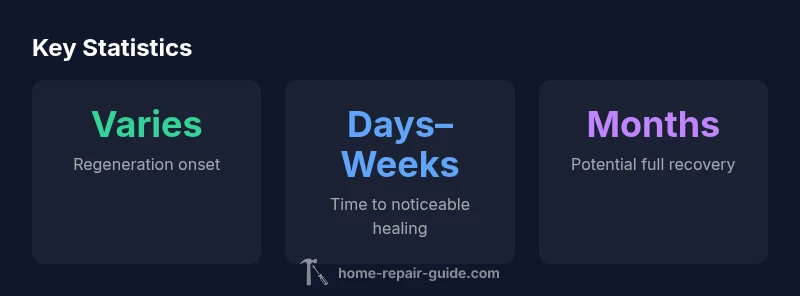
The liver’s repair timeline isn’t fixed; it begins within days after injury and progresses over weeks, with the overall recovery depending on the cause, severity, and ongoing health. In general, early improvements can appear within a week, while substantial healing may take several weeks to months. For chronic damage, recovery is slower and sometimes incomplete.
How the liver repairs itself
How long does it take for the liver to repair itself? The liver’s regenerative capacity is well documented, with hepatocytes capable of multiplying to restore tissue mass after many injuries. The speed and completeness of healing depend on the injury’s cause (viral, drug-induced, fatty liver, alcohol-related), how much liver was affected, and the person’s overall health. In healthy adults, regeneration can occur even with substantial loss of tissue, but this process is dynamic and individualized rather than a single universal timeline. Environmental factors, nutrition, and preexisting conditions all color the end result. Understanding this nuance helps set realistic expectations for recovery and informs practical steps to support healing.
In practical terms, the initial regenerative signals can emerge within days, and early improvements are often observed within the first week. Over the following weeks, improvements in liver function tests and energy levels typically correlate with tissue regrowth. However, the pace slows as the liver approaches its functional targets, especially if risk factors persist or complications arise. This reality underscores the importance of medical supervision during recovery.
Overview of liver healing timelines by scenario
| Phase | Typical Timeframe | Notes |
|---|---|---|
| Acute liver injury recovery | Days to weeks | Early inflammation and regeneration begin; improvements often seen within 1–2 weeks |
| Post-injury regeneration (surgical) | Weeks to months | Liver mass restoration depends on remaining tissue and health status |
| Chronic liver disease | Months to years | Regenerative capacity is reduced; complete reversal depends on disease stage |
| Fibrosis and long-term damage | Months to years | Some scarring may persist even after healing begins |
FAQ
What factors influence how quickly the liver heals?
Age, nutrition, alcohol use, obesity, and the cause and severity of injury all shape the liver’s repair pace. Adequate medical management improves outcomes.
Age, nutrition, and how severe the injury is determine healing speed.
Can the liver fully recover after chronic liver disease?
In many cases, chronic disease causes lasting changes. Some function may return, but full reversal is less likely, especially with advanced fibrosis.
Chronic disease often means partial recovery, not full reversal.
Does alcohol affect liver healing?
Alcohol can delay repair and worsen injury. Abstaining during recovery supports regrowth and reduces relapse risk.
Alcohol slows healing.
What tests indicate liver recovery progress?
Doctors monitor liver enzymes (ALT, AST), bilirubin, and imaging studies to assess regeneration and function.
Your doctor will check enzymes and imaging to gauge recovery.
What can I do at home to support liver repair?
Eat a balanced diet, avoid alcohol, stay hydrated, manage weight, and follow medical advice; avoid self-prescribing supplements.
Healthy habits and medical guidance help.
“Liver regeneration is a dynamic, patient-specific process; the extent of recovery hinges on the underlying cause, ongoing health, and timely medical care.”
Key Takeaways
- Take control of early healing with medical guidance
- Expect variability; timelines depend on injury and health
- Chronic liver damage often requires long-term management
- Support recovery with healthy lifestyle choices and regular monitoring