Water Damage and Repair: A Step-by-Step Guide
Practical, safety-first steps to assess, dry, sanitize, and restore water-damaged spaces. A homeowner-focused guide from Home Repair Guide.


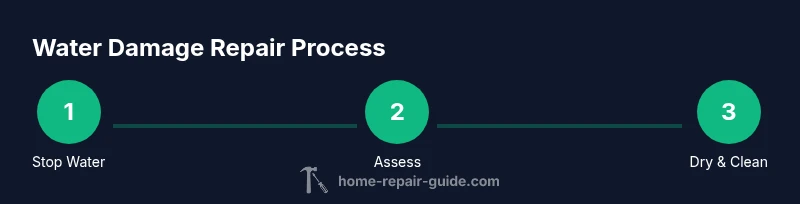
You’ll learn to stop the water source, assess damage, dry the space, and begin restoration with proper materials. According to Home Repair Guide, a safe, sequenced plan prevents mold, supports structure, and reduces costly repairs. Start with safety, then document, dry, clean, and repair. This short outline sets expectations and guides you through a thorough, practical approach.
What water damage is and why it matters
Water damage occurs when moisture enters building materials and stays long enough to cause deterioration. It can come from plumbing leaks, appliance failures, weather events, or sewer backups. According to Home Repair Guide, water intrusion is not just a cosmetic issue—it's a risk to structure, safety, indoor air quality, and long-term costs if left unaddressed. Common signs include staining, musty odors, warped or softened wood, peeling paint, and damp drywall. The damage may be hidden behind walls or under floors, so careful inspection matters. Early intervention limits secondary issues like mold growth, wood rot, and compromised electrical systems. A well-planned response combines safety, documentation, drying, disinfection, and targeted repairs, restoring both function and value to your home.
Assessing the extent of water damage
Start with a systematic assessment to determine what happened and what must be fixed. Look for active leaks and determine whether water came from clean sources or contaminated sewage. Use a moisture meter on walls, ceilings, and floors; check subflooring and insulation for dampness. Keep a log with photos and measurements to track progress. Note that moisture can travel beyond visible areas, so consider professionally supported assessments if you see persistent dampness after 24–48 hours. Based on Home Repair Guide analysis, hidden moisture often requires multiple checks across 24–72 hours to prevent mold and structural issues.
Immediate safety steps and first actions
Safety is the top priority. If electrical outlets are wet, turn off the main power or call an electrician. Wear PPE: gloves, goggles, and an N95 mask, and avoid mold exposure. Extract standing water with a wet/dry vacuum designed for water; do not use high-heat devices near flooded areas. Move furniture to dry zones, and remove any materials that show signs of irreversible damage. Document conditions with photos before removal to support insurance claims and future repairs.
Drying and dehumidification plan
Drying is a staged process. Start with air movement using appropriately sized fans to promote evaporation. Use dehumidifiers to reduce humidity below 50-60% to inhibit mold growth; monitor humidity and moisture levels with meters. Remove wet insulation or drywall in severely saturated areas; seal off the work zone with plastic sheeting to prevent cross-contamination. Plan for a drying period of at least 48–72 hours in moderate climates, longer in damp environments. Recheck moisture levels daily and adjust equipment accordingly.
Cleaning, sanitizing, and deodorizing
After drying, sanitize all surfaces that may have contact with contaminants. Use EPA-registered cleaners for high-touch areas, and disinfect with a solution appropriate for the materials. Remove or thoroughly clean porous materials that hold moisture, such as carpet and padding, unless they can be professionally cleaned. For odor control, use activated carbon or desiccants with proper ventilation and avoid strong chemical treatments near living spaces until the area is dry. Document odors and cleaning steps for future reference.
Repair and restoration options
Assess structural integrity before replacing materials. Drywall that remains soft or moldy should be removed and replaced; studs may require treatment. Replacing damaged flooring and subflooring is often necessary; prime and paint once dry. If insulation is wet, replace with new. Systems such as HVAC ducts might require cleaning. When the area is fully dry and clean, restore finishes to match existing aesthetics. If the damage is extensive, consult a licensed contractor to ensure code-compliant restoration.
Prevention and ongoing maintenance after a flood or leak
Prevention reduces future damage. Improve drainage around the foundation, maintain gutters, and install a sump pump with a backup power source in flood-prone areas. Inspect pipes and fixtures regularly to catch leaks early; set up a maintenance schedule for roof, plumbing, and appliances. Use moisture barriers in crawl spaces and basements. Regular checks help homeowners maintain air quality and reduce mold risk.
Authority sources
- FEMA guidelines on flood damage and safety: https://www.fema.gov
- OSHA mold and indoor air quality guidelines: https://www.osha.gov
- EPA mold and dampness guidance: https://www.epa.gov/mold
Tools & Materials
- Wet/dry vacuum (water-rated)(For removing standing water and debris; ensure it is designed for water pickup)
- Moisture meter(Measures moisture in walls, ceilings, and floors to guide drying)
- Fans and dehumidifiers(Use multiple units for cross-ventilation; aim to maintain <50-60% RH)
- Plastic sheeting and tape(Seal off work areas to prevent cross-contamination during cleanup)
- Personal protective equipment (PPE)(Gloves, goggles, and N95 mask; consider respirator for mold-prone areas)
- Pry bar/utility knife(Useful for removing damaged drywall or flooring)
- Replacement materials for restoration(Drywall, joint compound, primer, and paint as needed)
- EPA-approved disinfectant(For sanitizing surfaces after drying; follow label directions)
Steps
Estimated time: Total drying and restoration time can range from 2-7 days depending on space size, moisture levels, and materials
- 1
Stop the water source and ensure safety
If possible, shut off the main water supply and unplug electrical devices in the affected area. Do not enter flooded zones with standing electricity. This step prevents further damage and reduces risk to you and others.
Tip: If water is rising or electrical is uncertain, evacuate and call emergency services. - 2
Document damage and protect belongings
Take clear photos and videos of all affected areas before moving items. Create a simple inventory for insurance claims and future reference. Move valuables to a dry area if safe to do so.
Tip: Keep a dated log of actions and conversations with your insurer. - 3
Remove or isolate damaged materials
Strip away saturated drywall, insulation, and carpet where necessary to access dry, clean space. Dispose of porous materials that cannot be cleaned.
Tip: Wear PPE during removal to minimize exposure to mold and contaminants. - 4
Initiate controlled drying
Set up high-velocity fans and a dehumidifier in the affected area. Keep doors open to improve airflow and reduce moisture pockets. Monitor progress with moisture meters.
Tip: Aim for moisture readings to trend downward day-to-day. - 5
Clean and disinfect surfaces
Clean all hard surfaces with appropriate cleaners and disinfectants. Porous materials requiring removal should be replaced or professionally cleaned.
Tip: Avoid mixing cleaners; follow label directions for safety and effectiveness. - 6
Assess structural and insulation needs
Inspect studs, subfloor, and insulation for signs of damage. Replace compromised materials to restore structural integrity and thermal performance.
Tip: Mold may require professional assessment if growth is detected. - 7
Restore finishes and protect the area
Reinstall drywall, tape joints, prime, and repaint. Match textures and finishes to restore aesthetics and protect against future moisture with proper sealing.
Tip: Use mold-resistant drywall where appropriate in moisture-prone spaces. - 8
Reevaluate and establish prevention
Review what caused the damage, fix the root issue, and install preventive measures like improved drainage, gutters, and moisture barriers.
Tip: Create a maintenance schedule to catch leaks early.
FAQ
What counts as water damage in a home?
Water damage occurs when moisture saturates building materials, leading to staining, warping, or mold growth. It can come from leaks, floods, or sewer backups and may be hidden behind walls.
Water damage happens when moisture soaks into walls or floors, causing stains, warping, or mold. It can come from leaks or floods and might be hidden.
How soon should I start drying after a leak?
Begin drying as soon as you can safely do so, ideally within 24 hours to minimize mold risk and material damage. Use fans and dehumidifiers while avoiding electrical hazards.
Start drying as soon as it’s safe, ideally within a day, to slow mold growth and limit damage. Use fans and a dehumidifier and stay away from wet electricals.
Can I clean mold myself or should I hire a pro?
Small, contained mold might be manageable with proper PPE and containment. Large areas or visible growth should be handled by a licensed mold remediation professional.
Small mold areas can be managed with PPE and containment, but large growth should be handled by a pro.
What should I document for insurance?
Take timestamped photos, list damaged materials, note dates and actions taken, and keep receipts for cleanup and any repairs. This helps in processing claims faster.
Take dated photos, list damaged items, and keep receipts to support your claim.
When should replacement of drywall or carpet be considered?
Replace drywall or carpet when it’s saturated, moldy, or retains moisture after drying attempts. Visible warping or softness also signals replacement needs.
Replace drywall or carpet if they’re moldy, wet after drying, or visibly damaged.
Is it worth calling my insurance for minor leaks?
Even small leaks can lead to hidden damage. Check your policy’s coverage for water damage and mold remediation, and document everything for a potential claim.
Minor leaks can still be covered if they lead to hidden damage, so check your policy and document everything.
Watch Video
Key Takeaways
- Act quickly to limit moisture exposure and mold risk.
- Document damages thoroughly for insurance and restoration planning.
- Separate drying from demolition to avoid spreading contaminants.
- Replace damaged porous materials and seal surfaces to prevent future moisture.